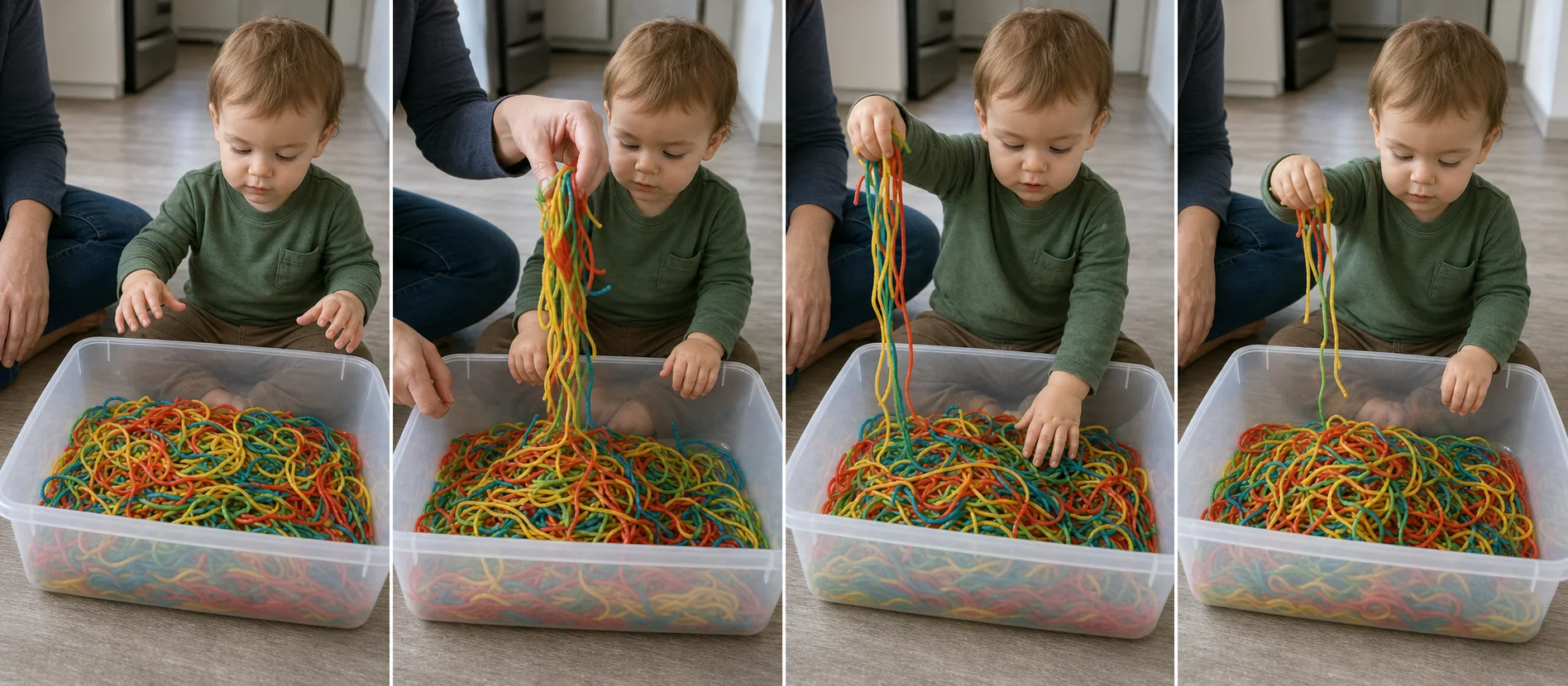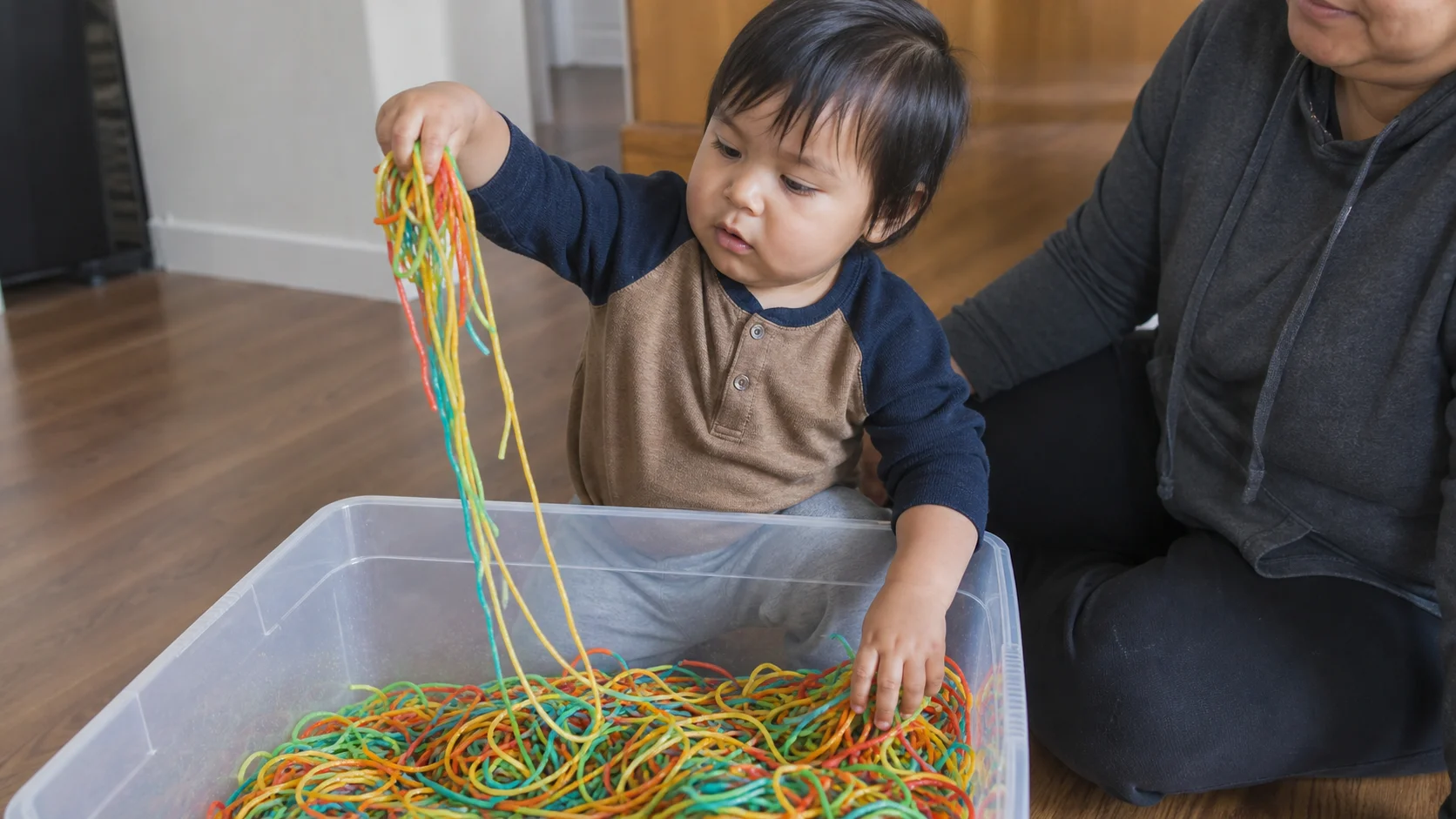

Colour Spaghetti
Colour Spaghetti is a colour spaghetti sensory play for toddlers that helps children use both hands together through a clear, repeatable play loop.


Colour Spaghetti is a colour spaghetti sensory play for toddlers that helps children use both hands together through a clear, repeatable play loop.


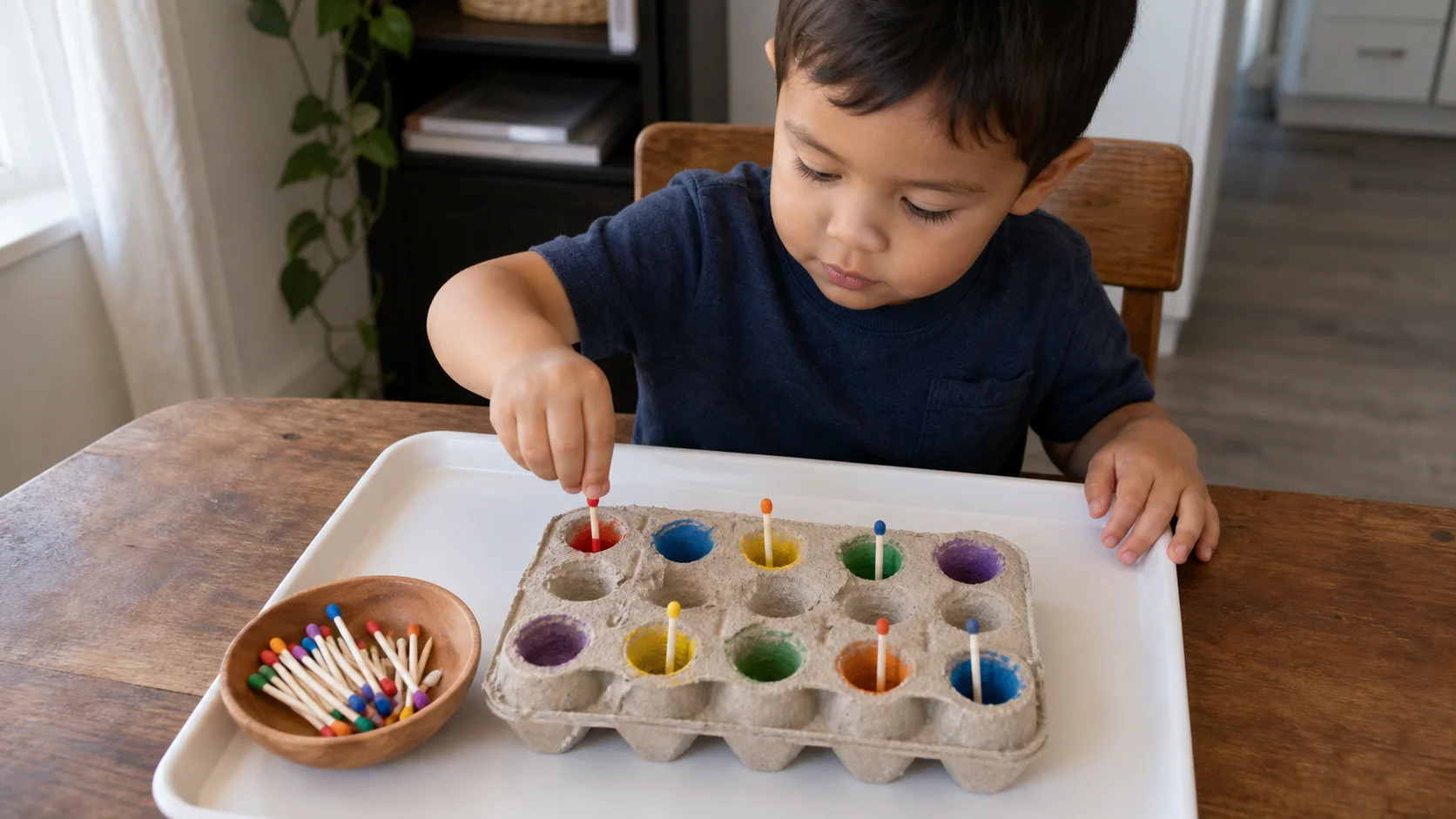
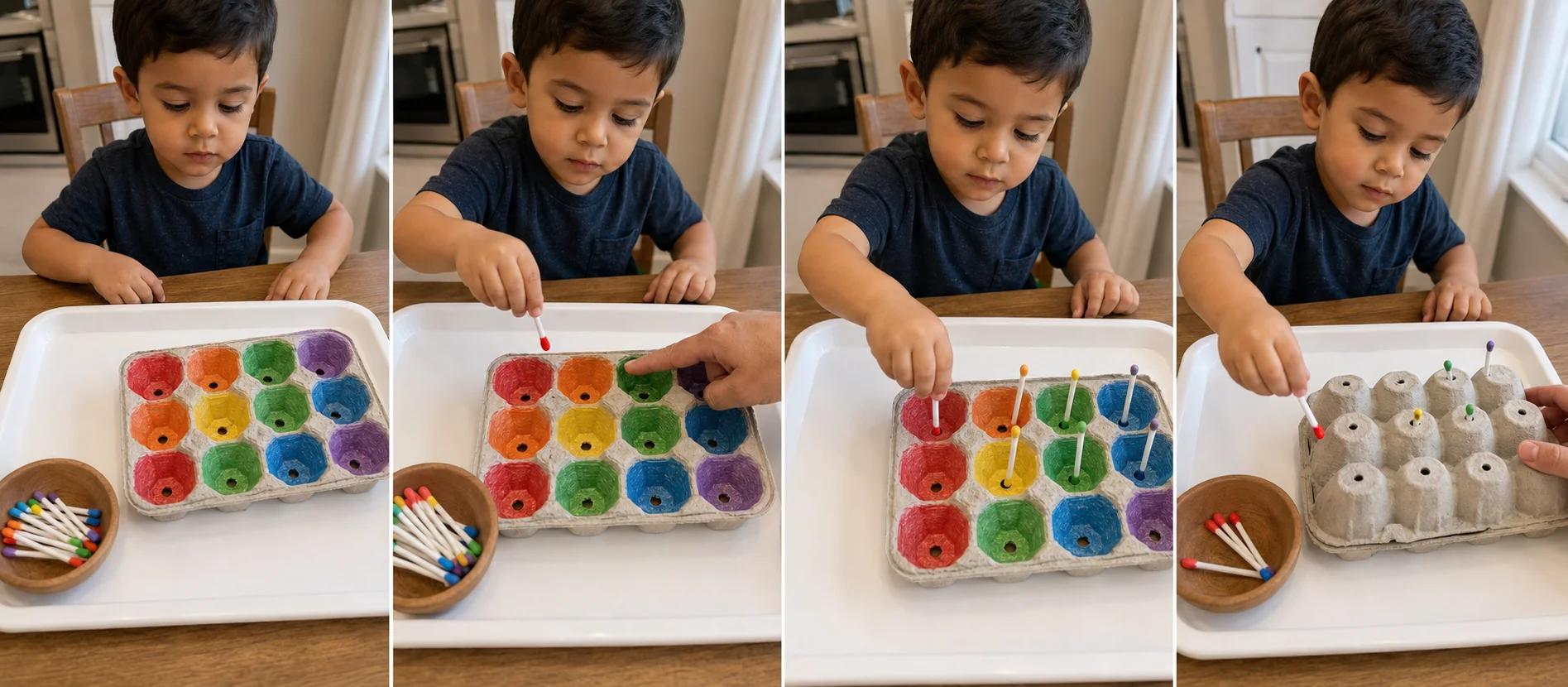
Match each colored cotton swab to a same-colored egg-carton hole, then push it in so the swab stands upright. The choose, match, and place sequence builds color recognition, hand-eye coordination, and finger control.


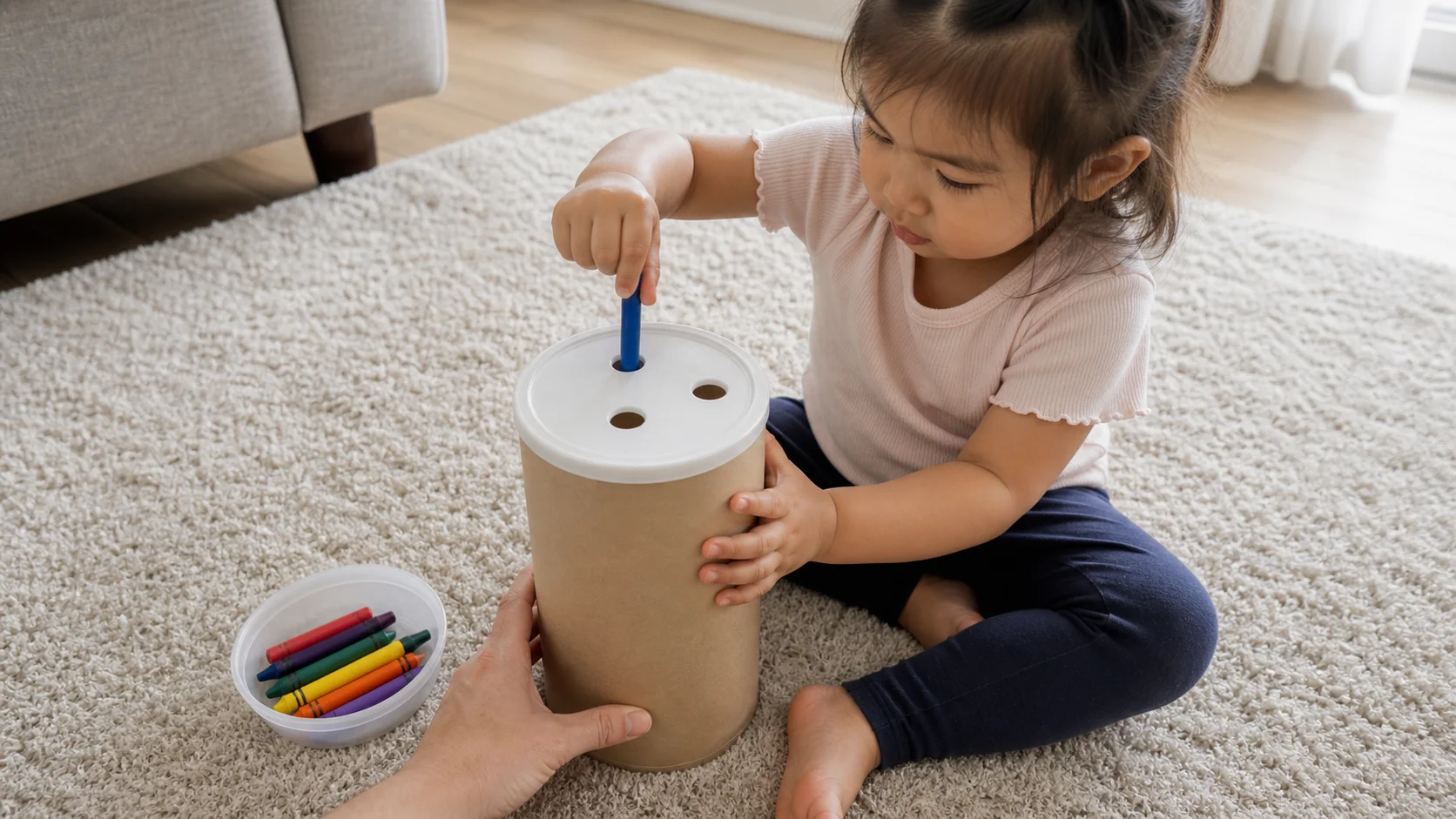
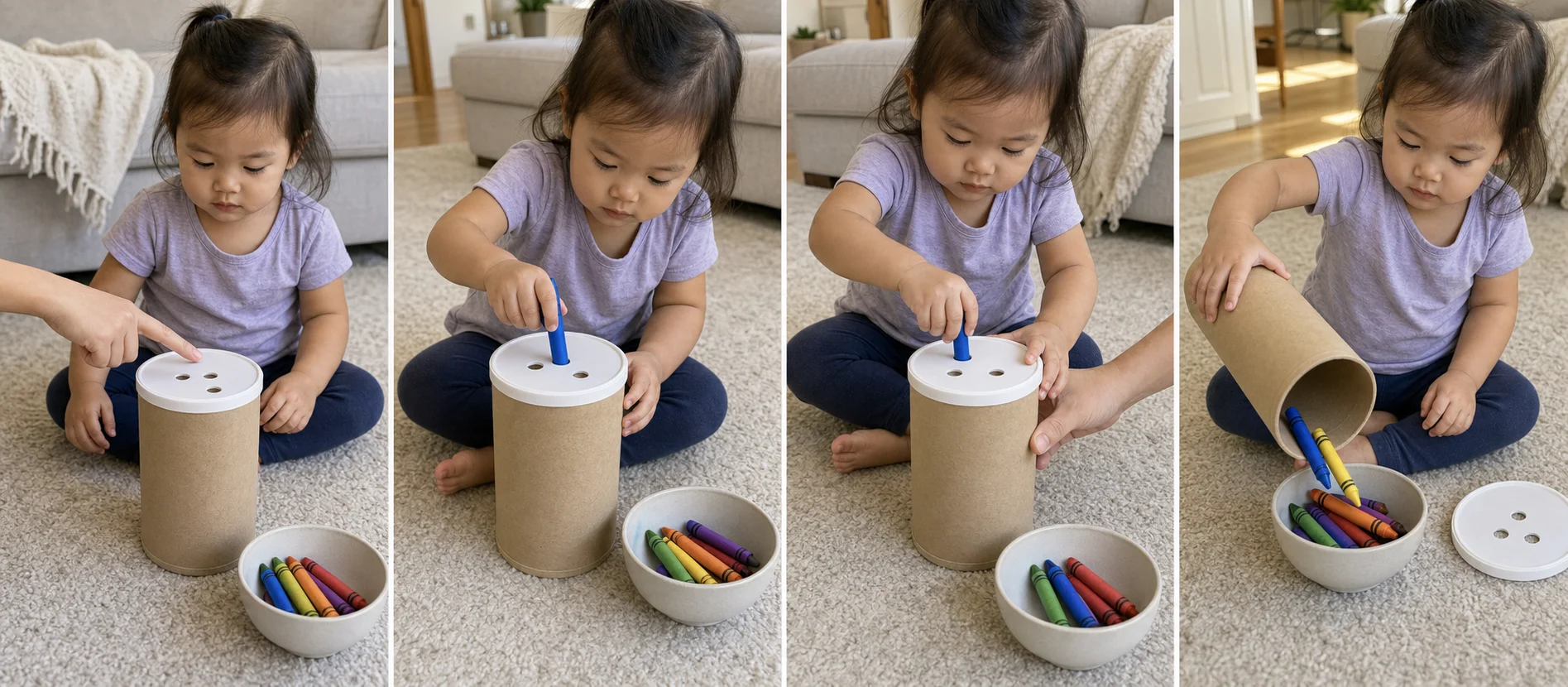
Turn an empty oats container into a satisfying push-and-plunk game. Your child aims crayons at snug lid holes and pushes until they drop inside, building fine motor control with every turn.


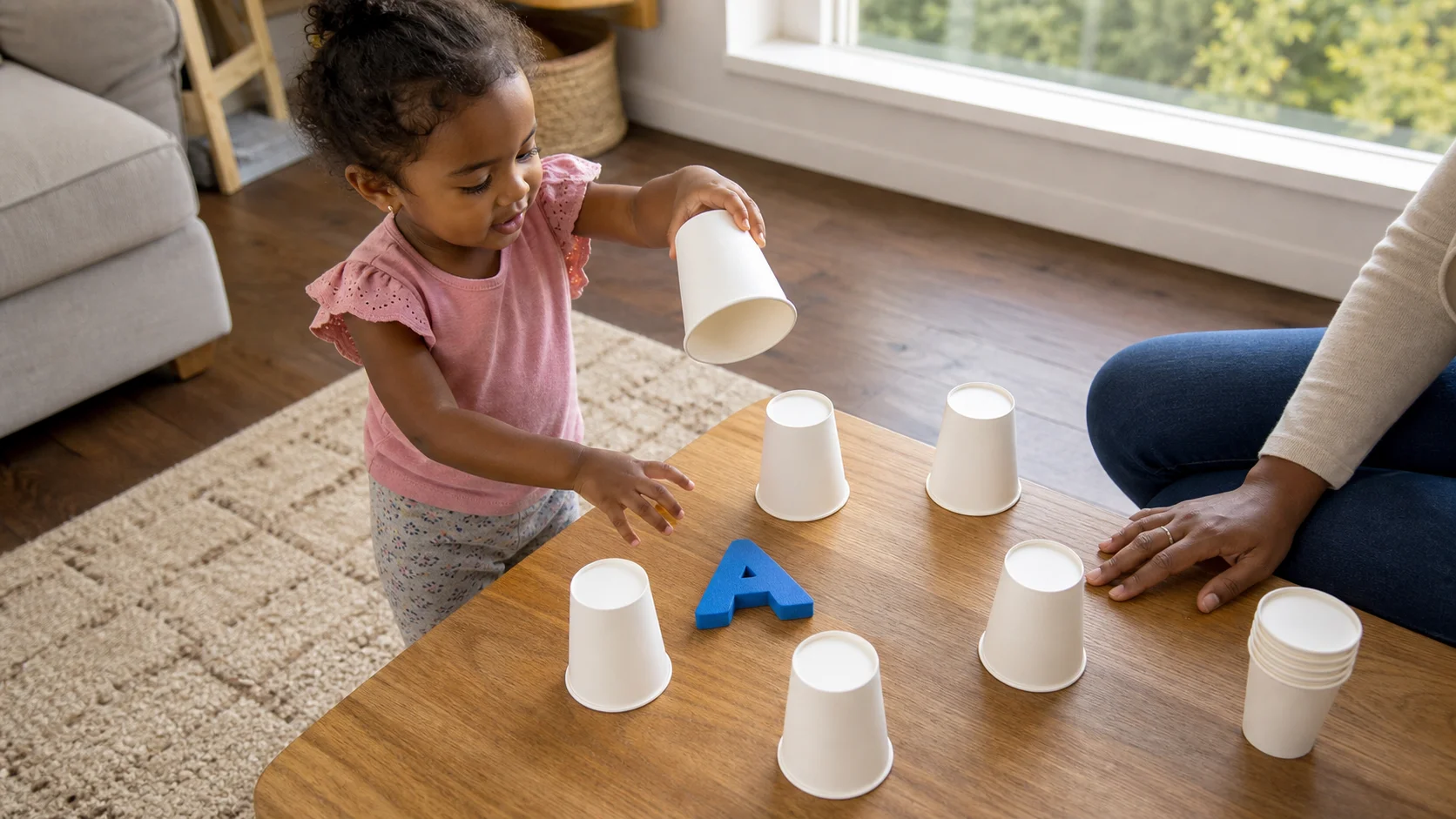
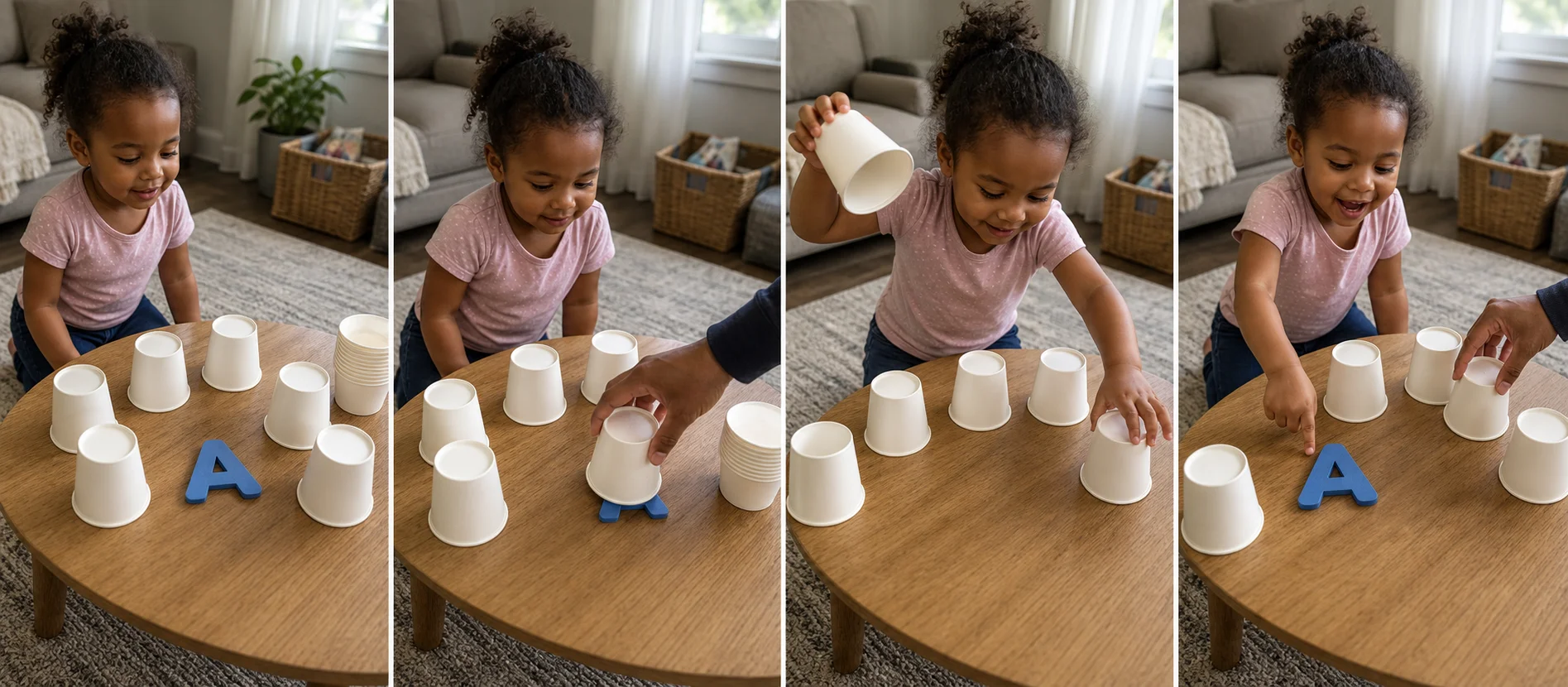
Turn a stack of paper cups into a tiny letter mystery. Hide one large alphabet letter inside a cup, let your child search until it appears, then celebrate the find with a letter dance that builds letter-name awareness.


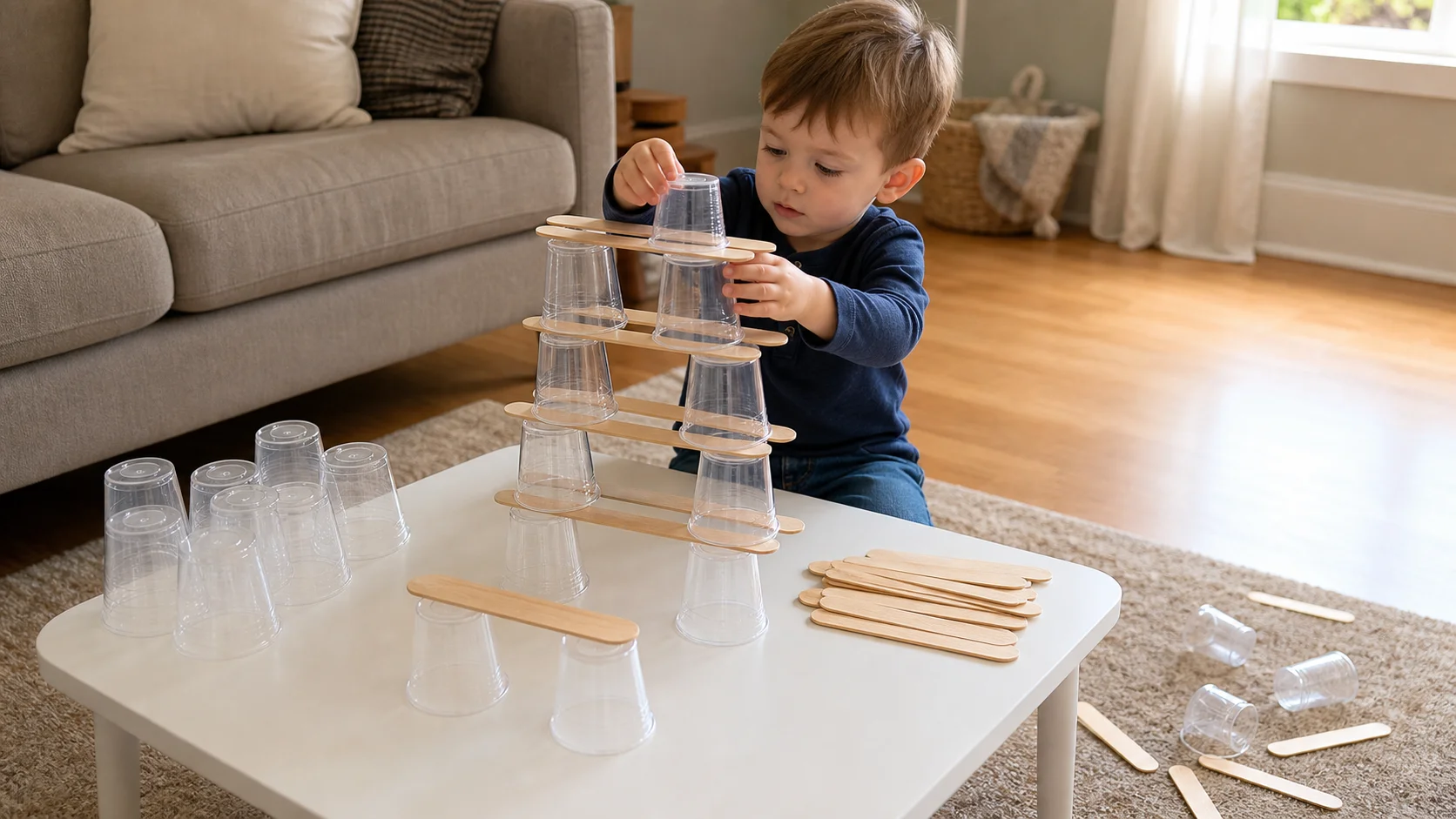
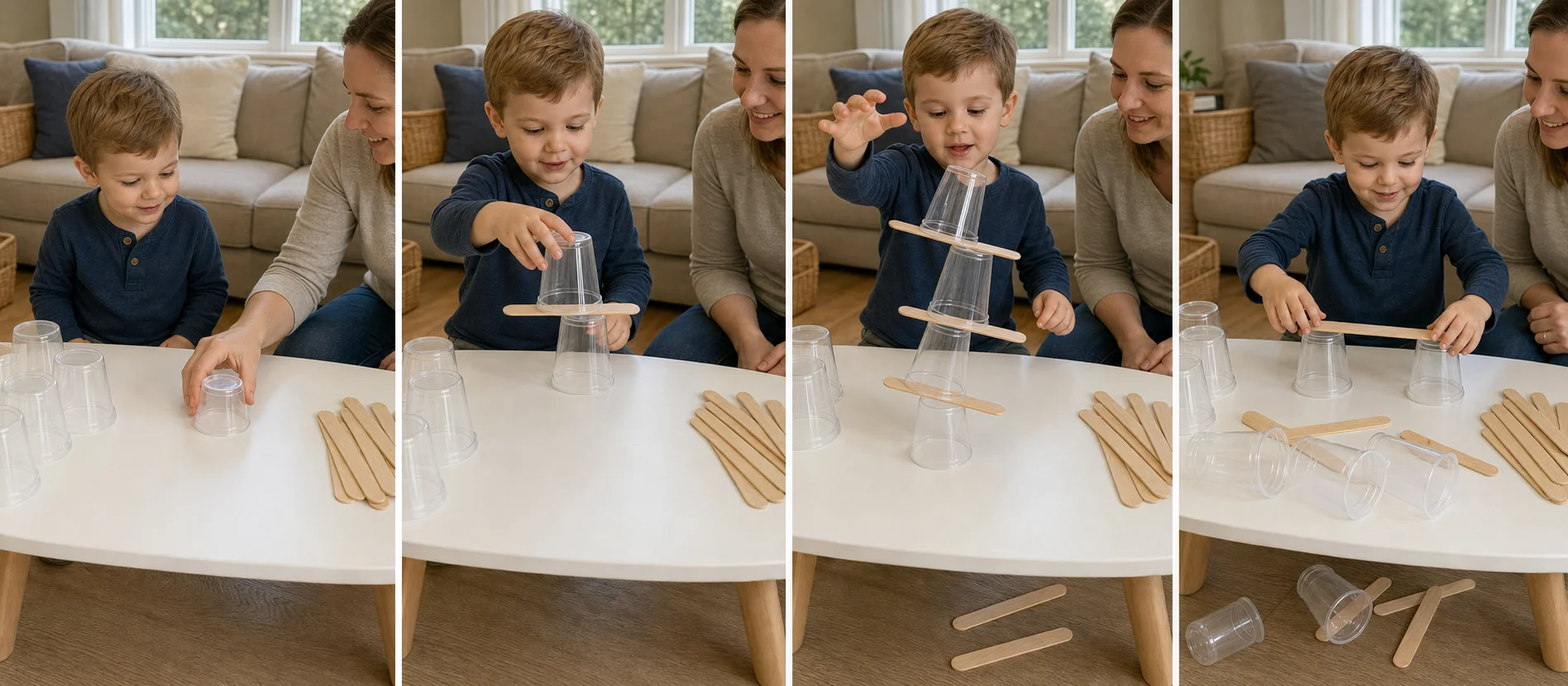
How tall can your child build before everything comes tumbling down? Alternating plastic cups and jumbo craft sticks turns careful stacking into a balance challenge that builds fine motor control and problem-solving.


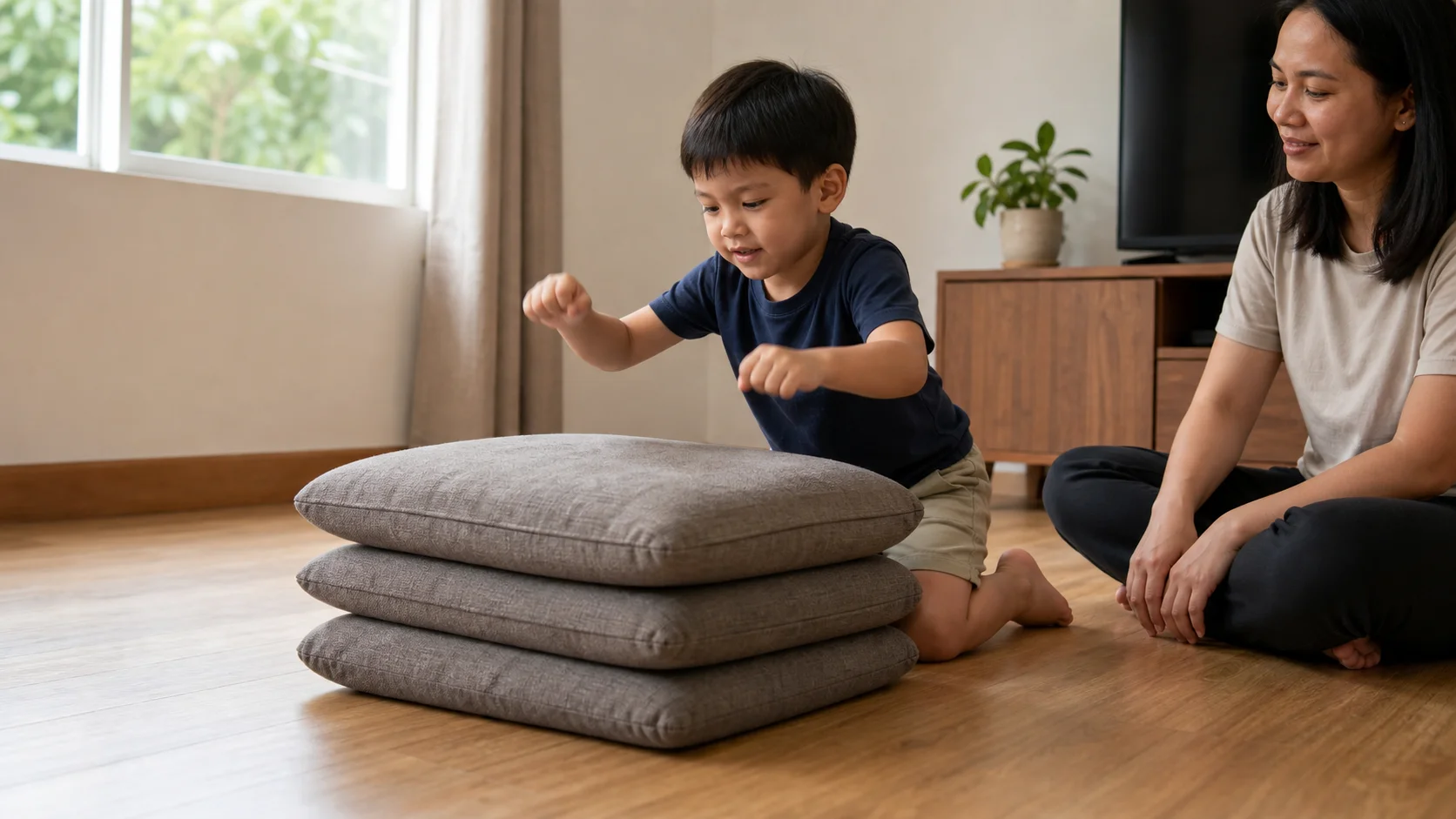
Turn a firm floor cushion into a soft drum and make short rhythmic beats with both fists. The beat, pause, and repeat pattern gives big energy a clear target while building rhythm and controlled force.

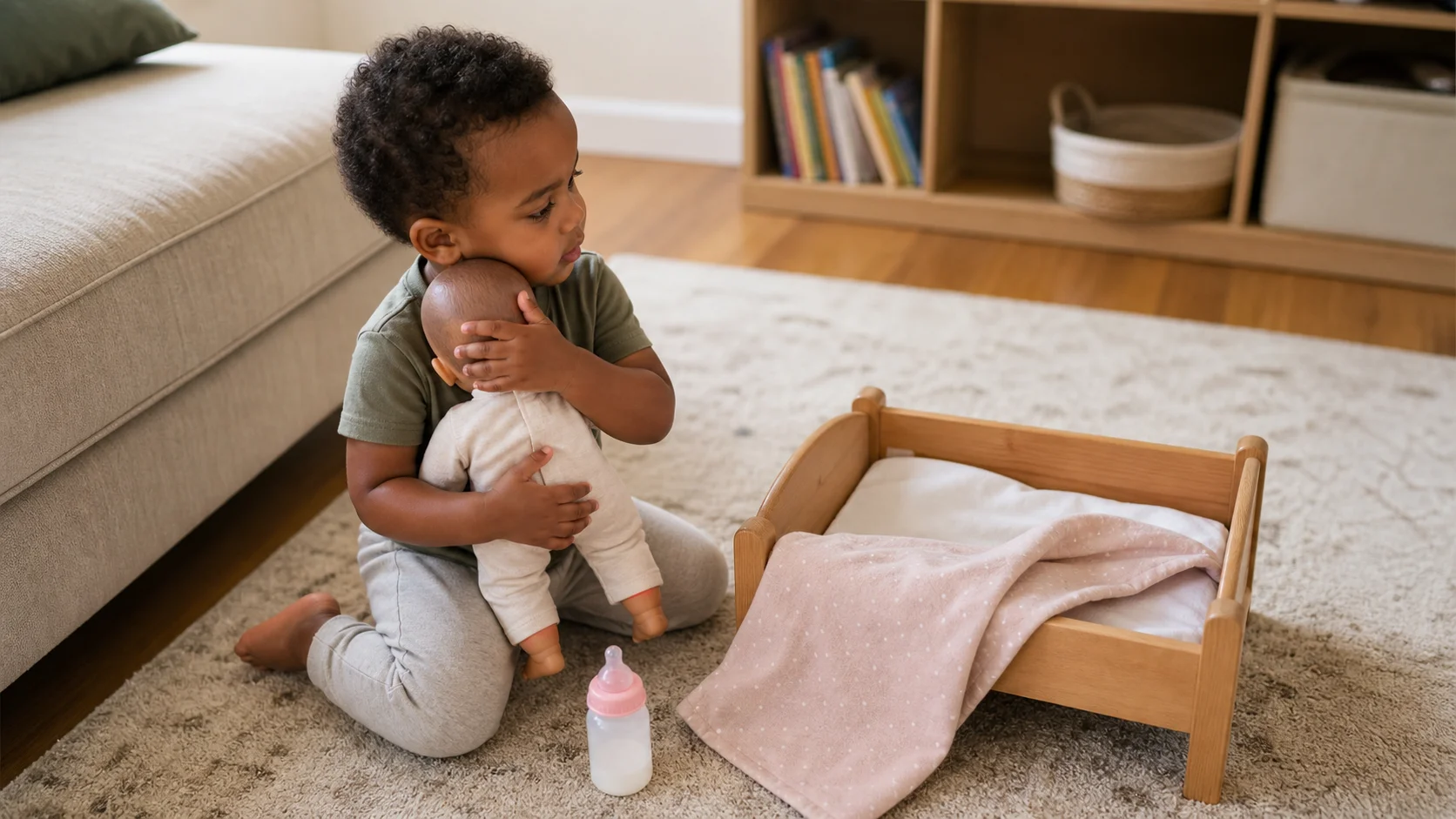
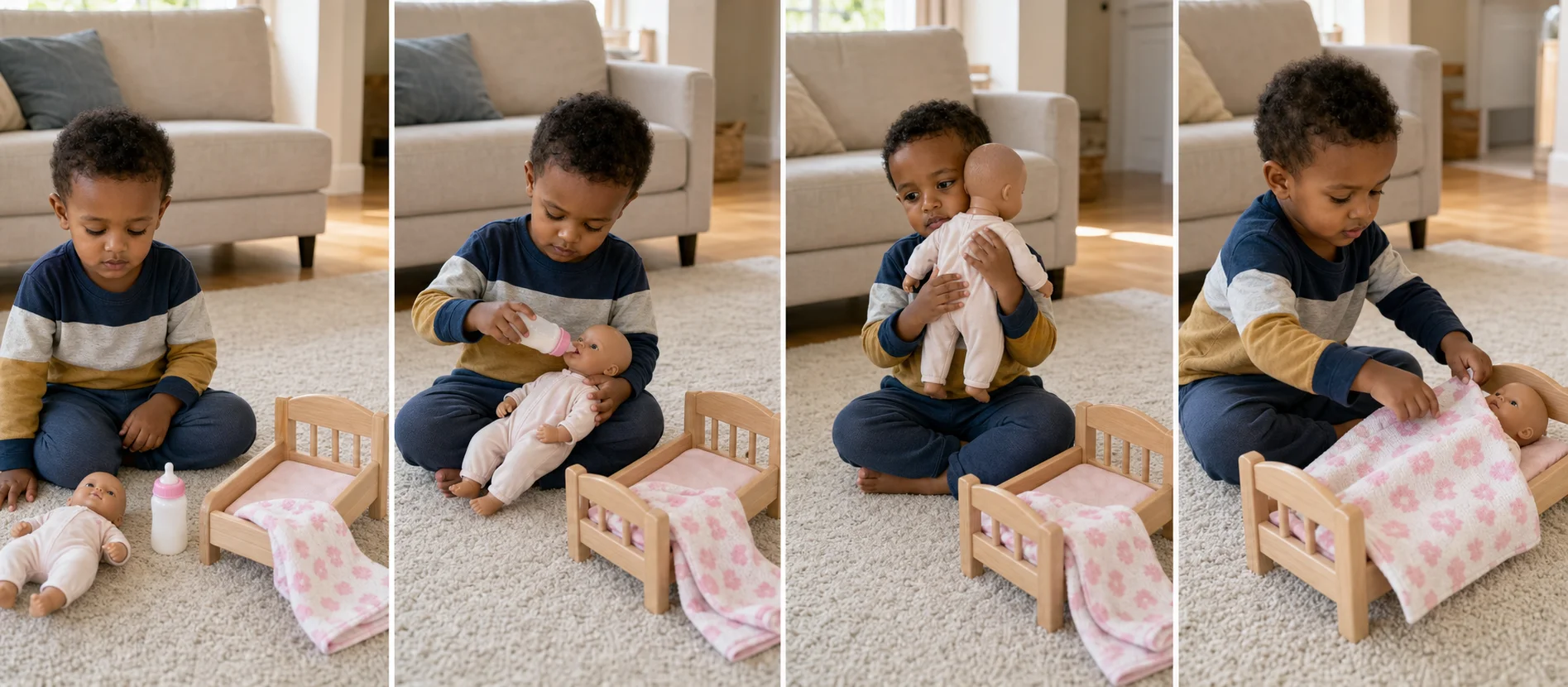
Turn familiar caregiving into a tiny pretend-play routine. Your child feeds a doll, lifts it for a burp, then tucks it into bed to practice imitation and following a simple sequence.

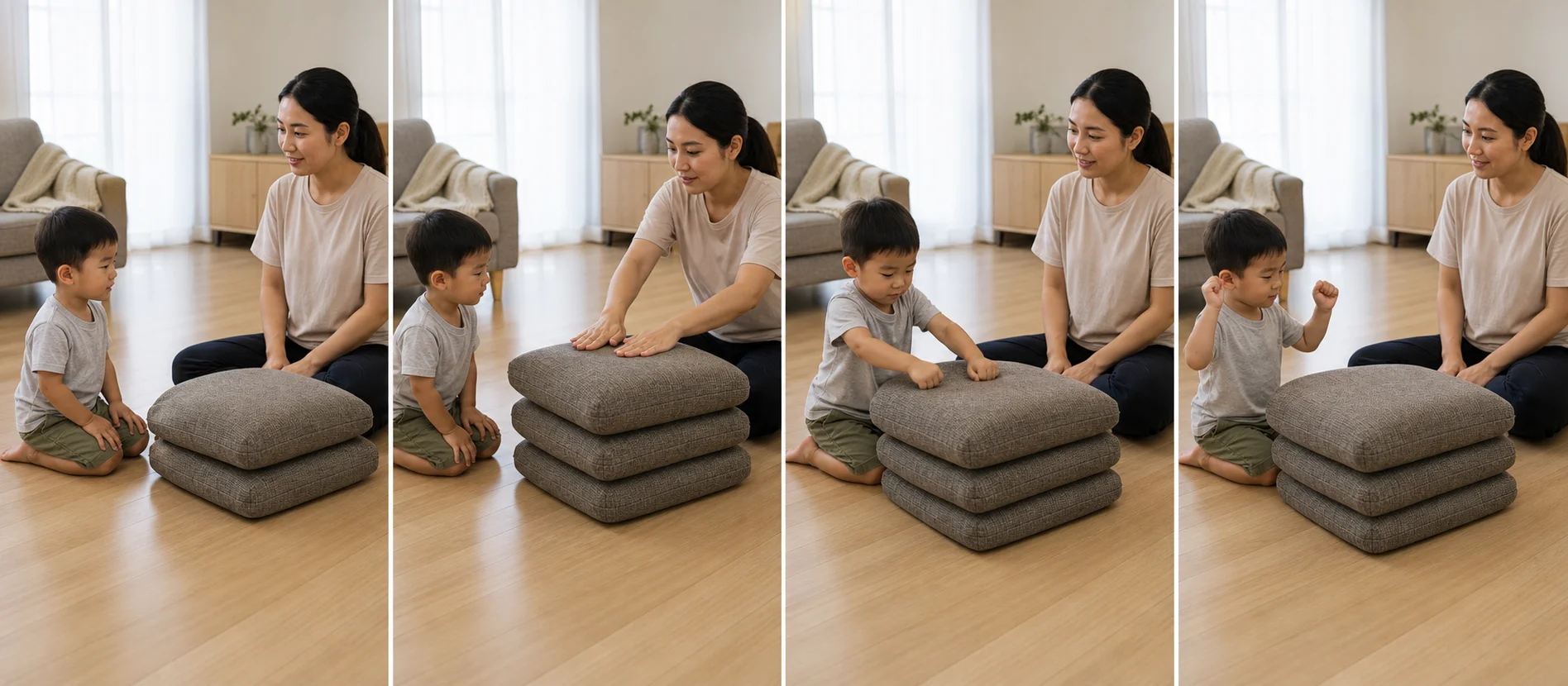
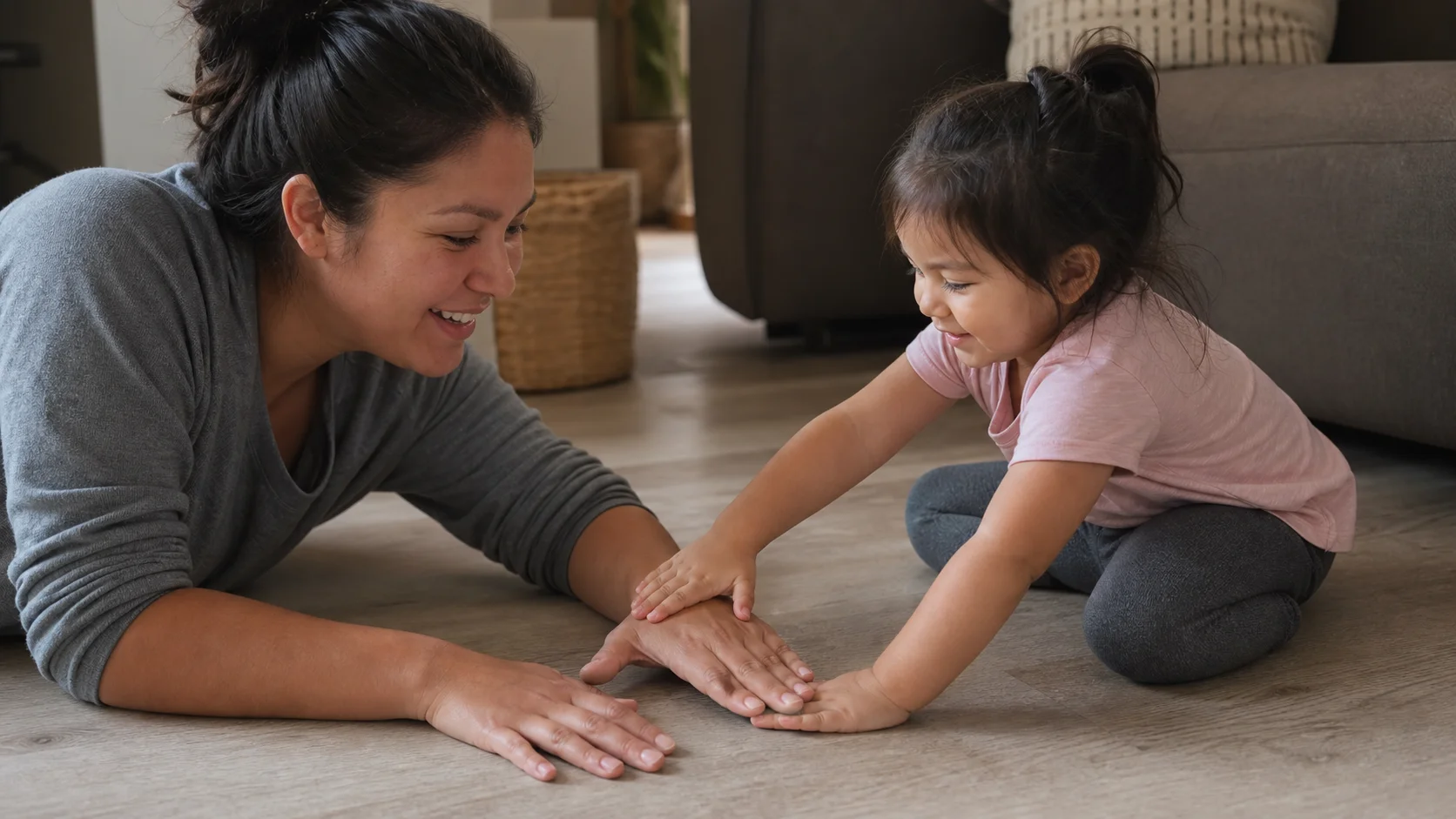
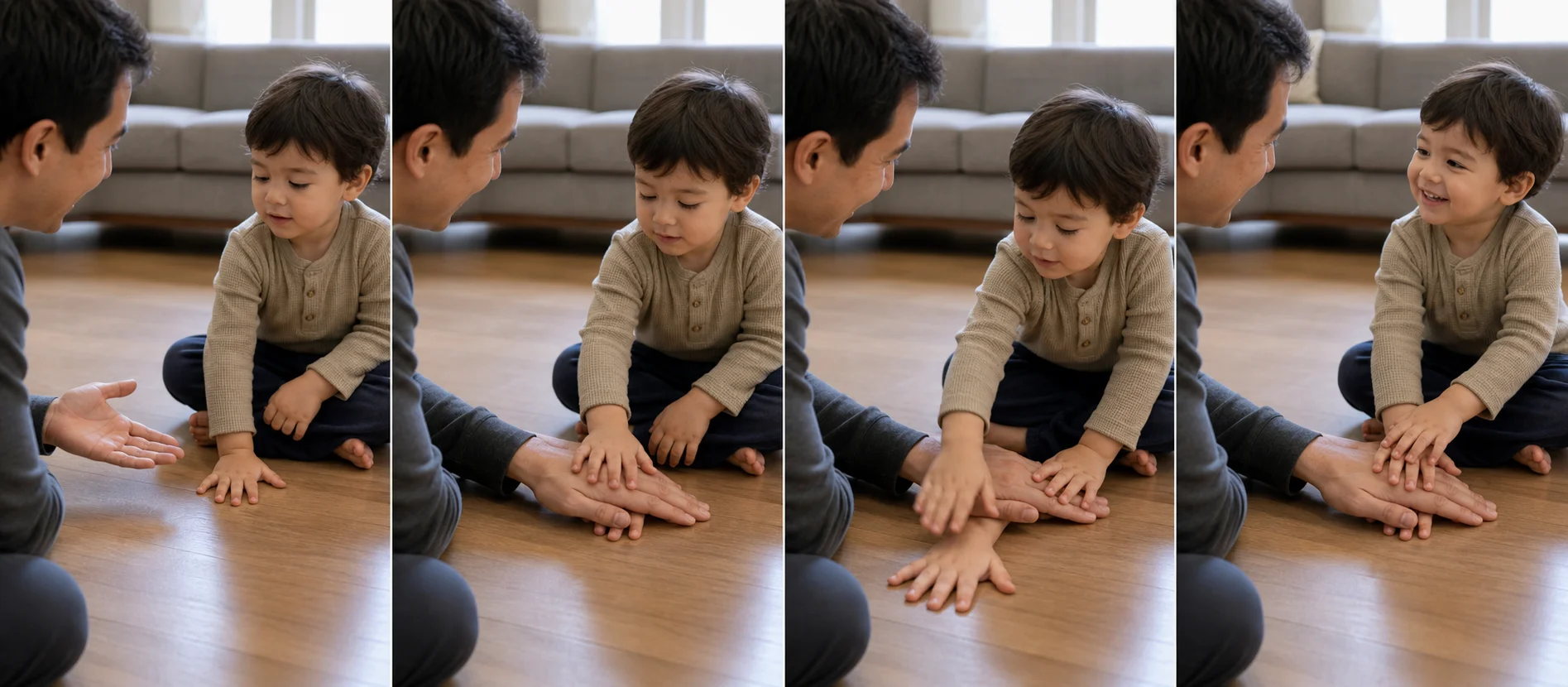
Turn three stacked hands into a quick pull-out challenge. Your child uses both hands to build the tower, then slides the bottom hand free before rebuilding it for another turn, practicing two-hand coordination and controlled movement.

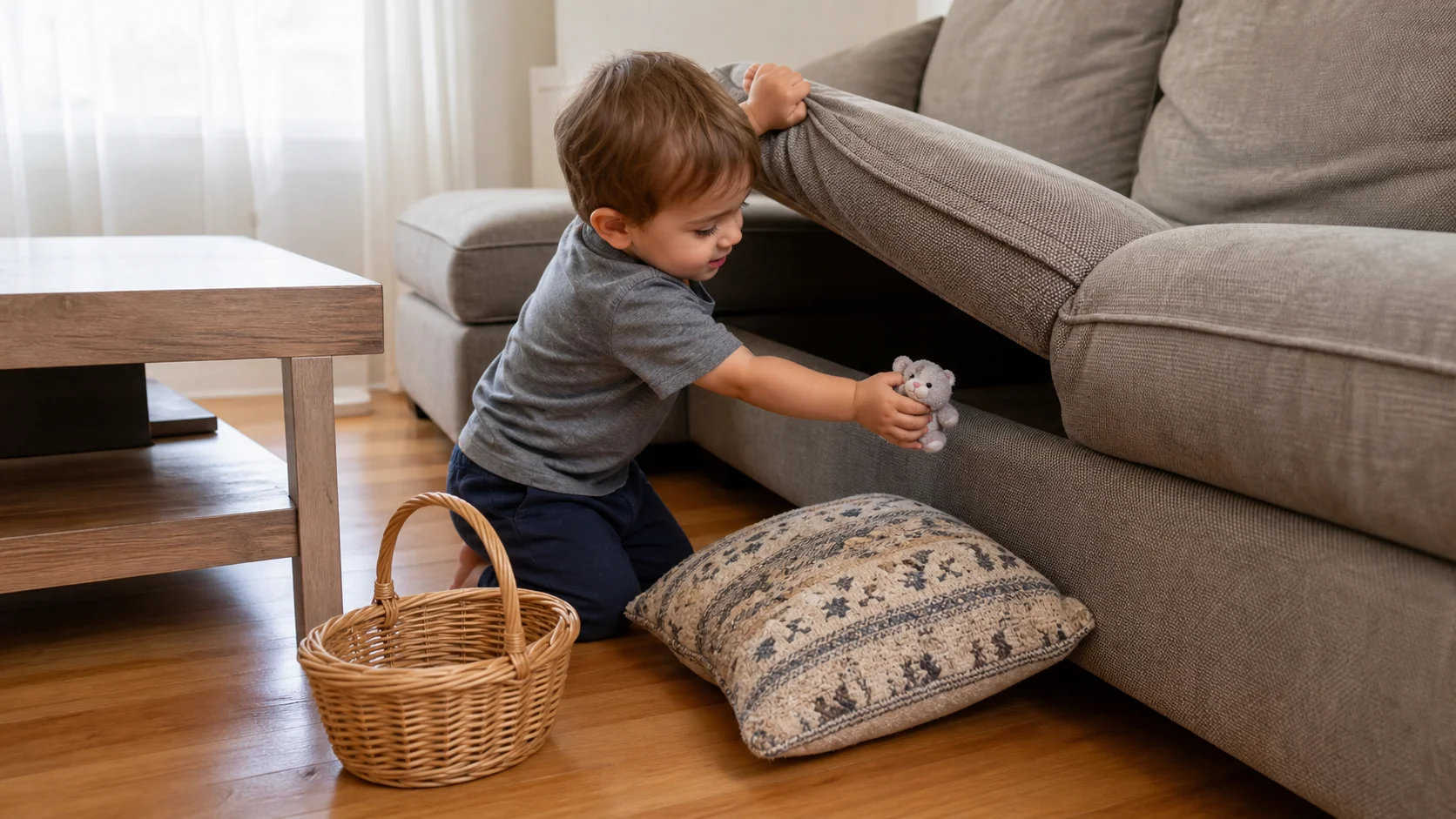
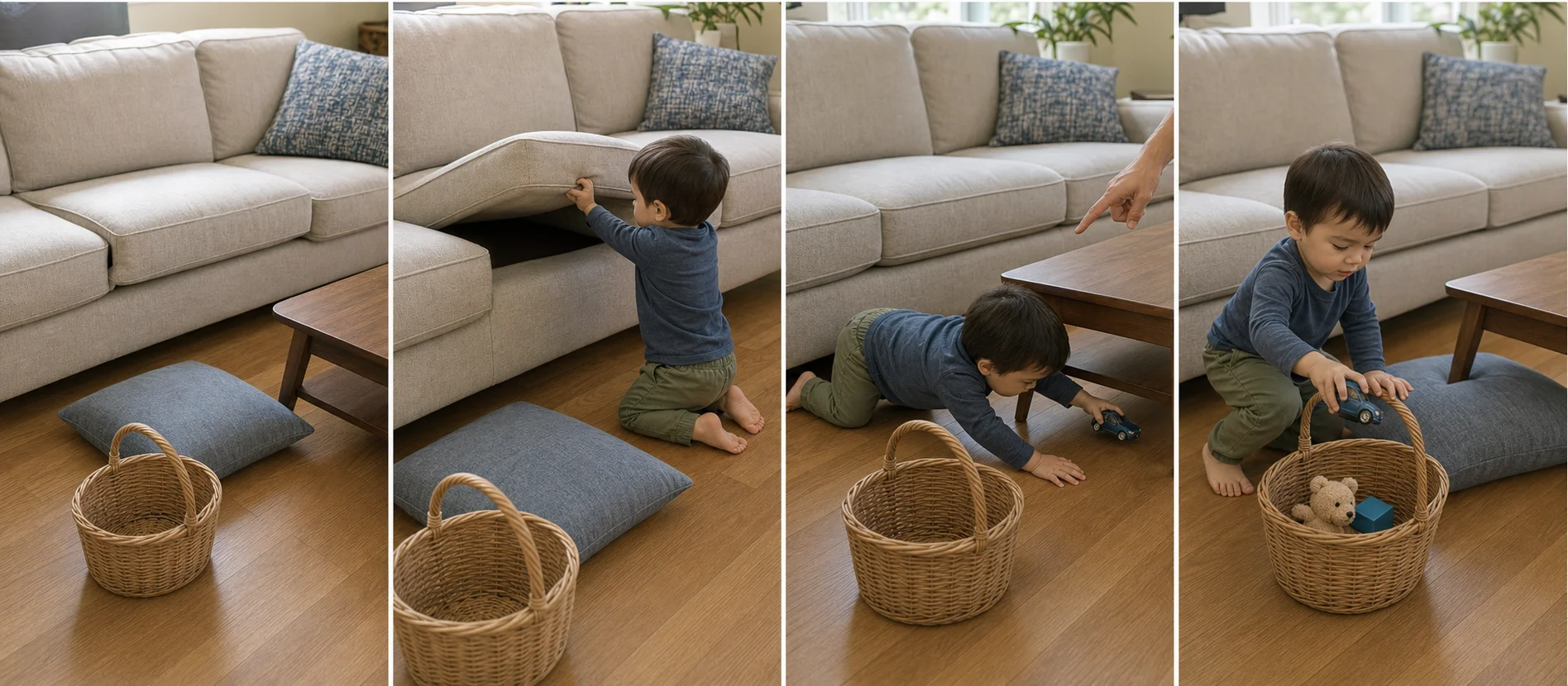
Turn a scavenger hunt into a full-body challenge. Your child lifts cushions or crawls under low furniture to find hidden toys, then carries each one back to a basket while practicing controlled body-level changes through lifting, crawling, and carrying.


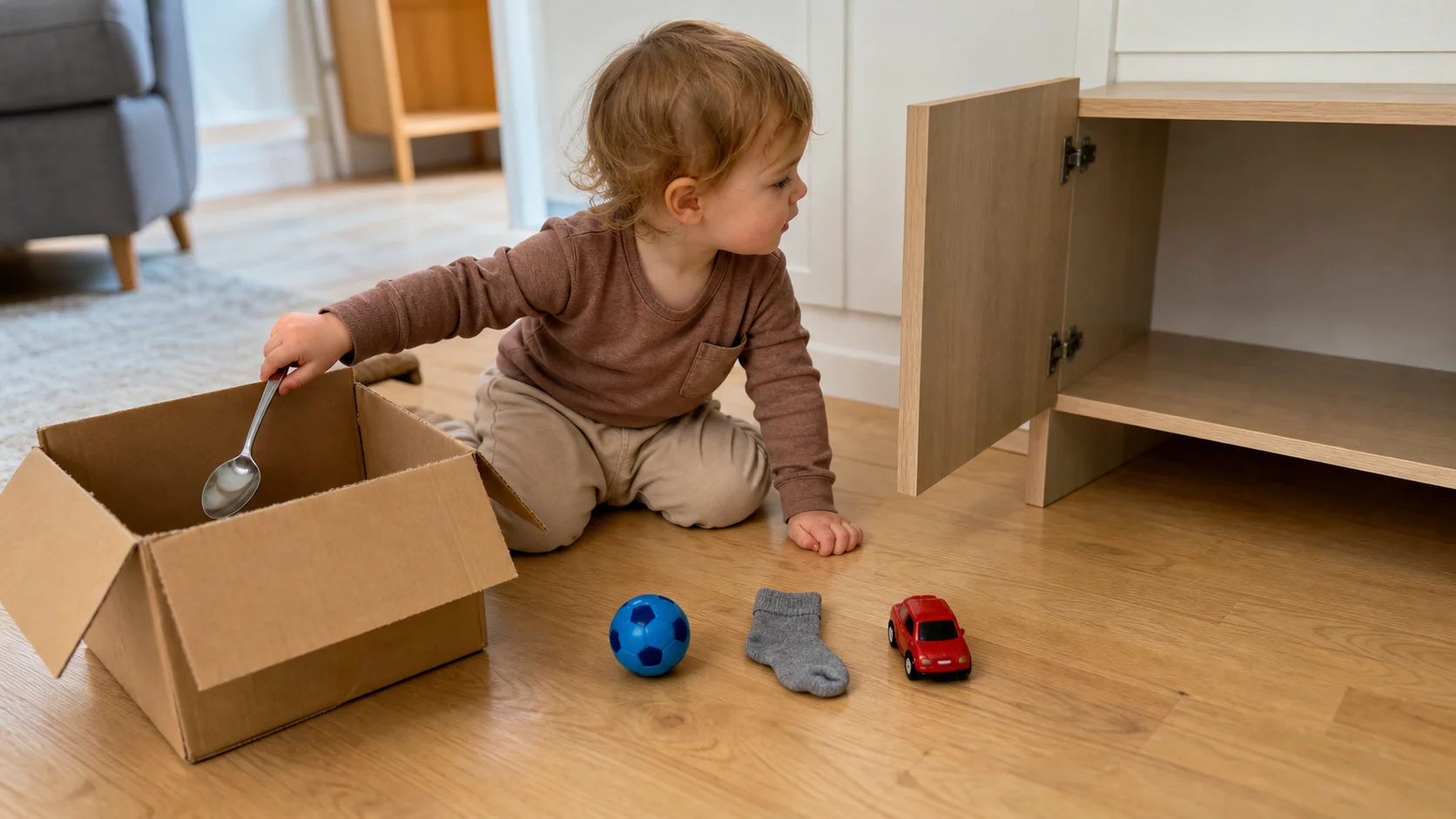
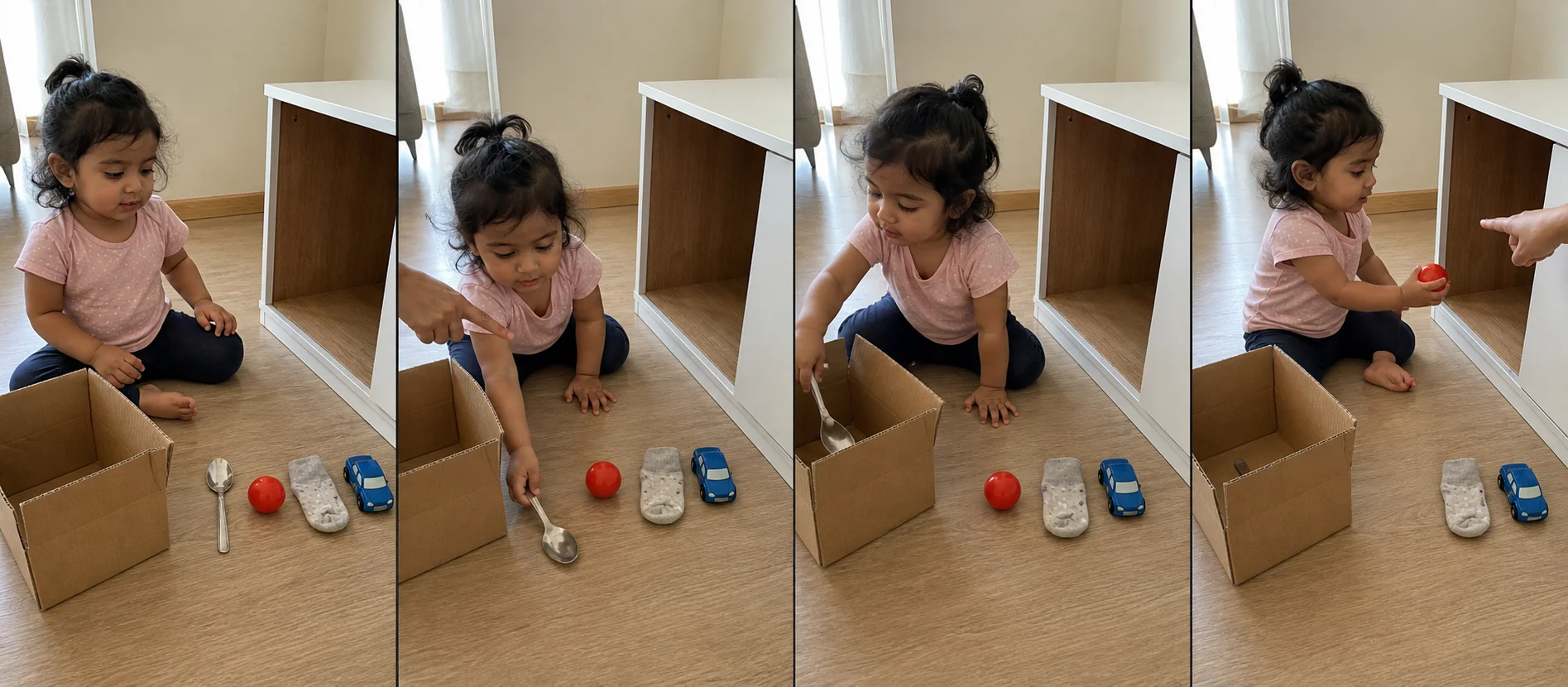
Can your child remember both what to hide and where it goes? With four everyday objects and two hiding spots, they listen for an object-and-place direction, choose the right item, and hide it in the named spot to practice following directions.


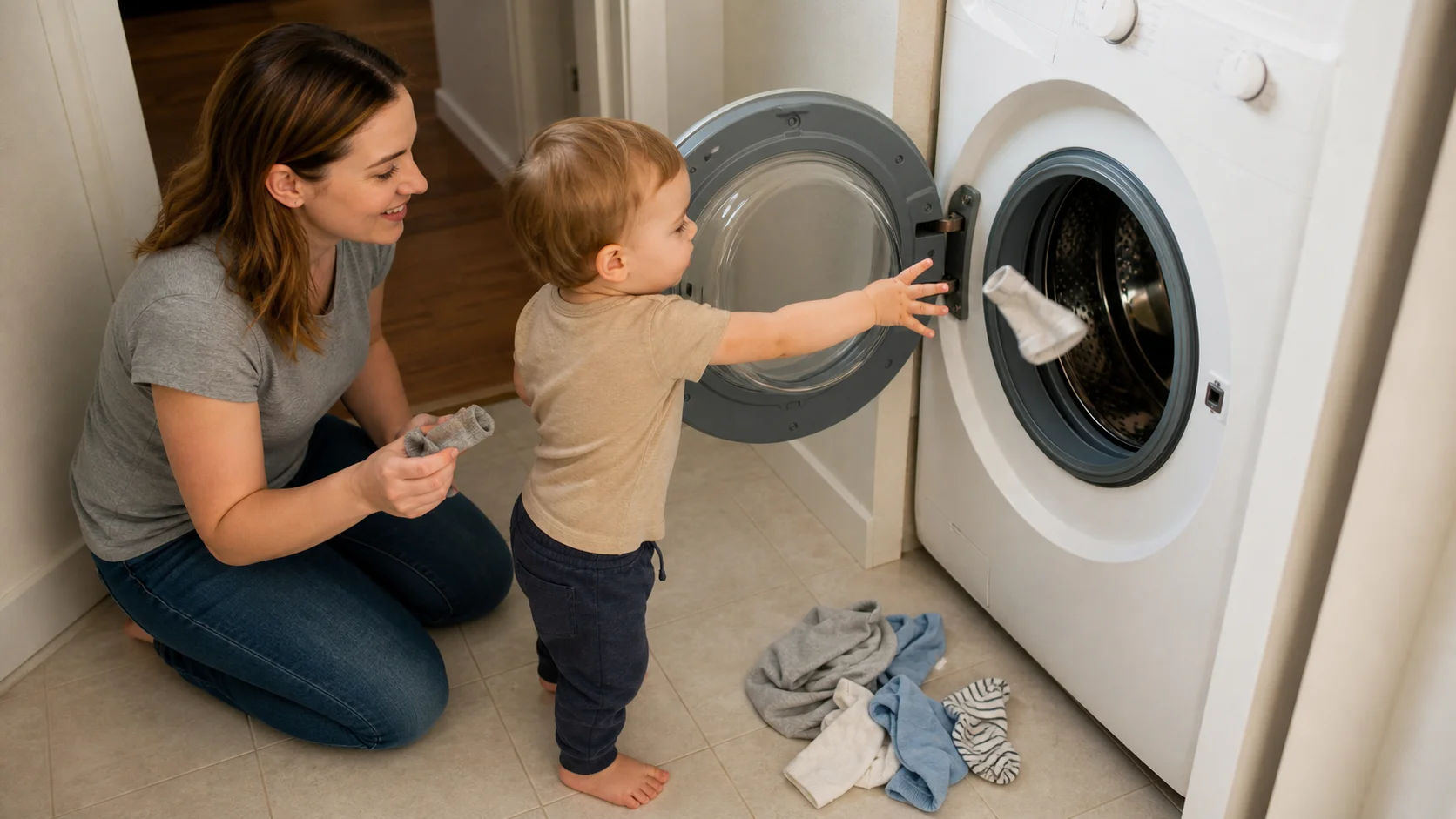
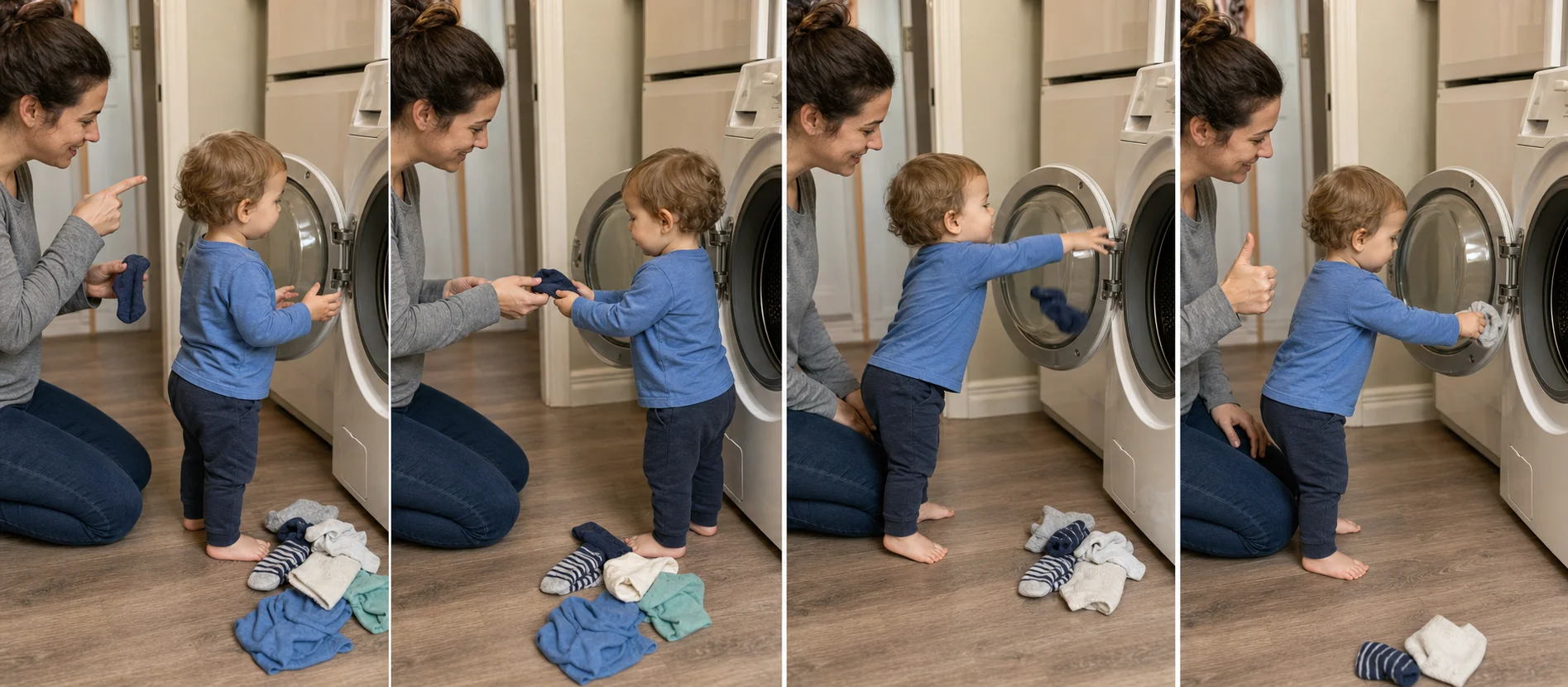
Turn laundry loading into a target game your toddler can win. Hand them one soft clothing item at a time and let them drop or toss it into the open washer, practicing a real helping job with every turn.


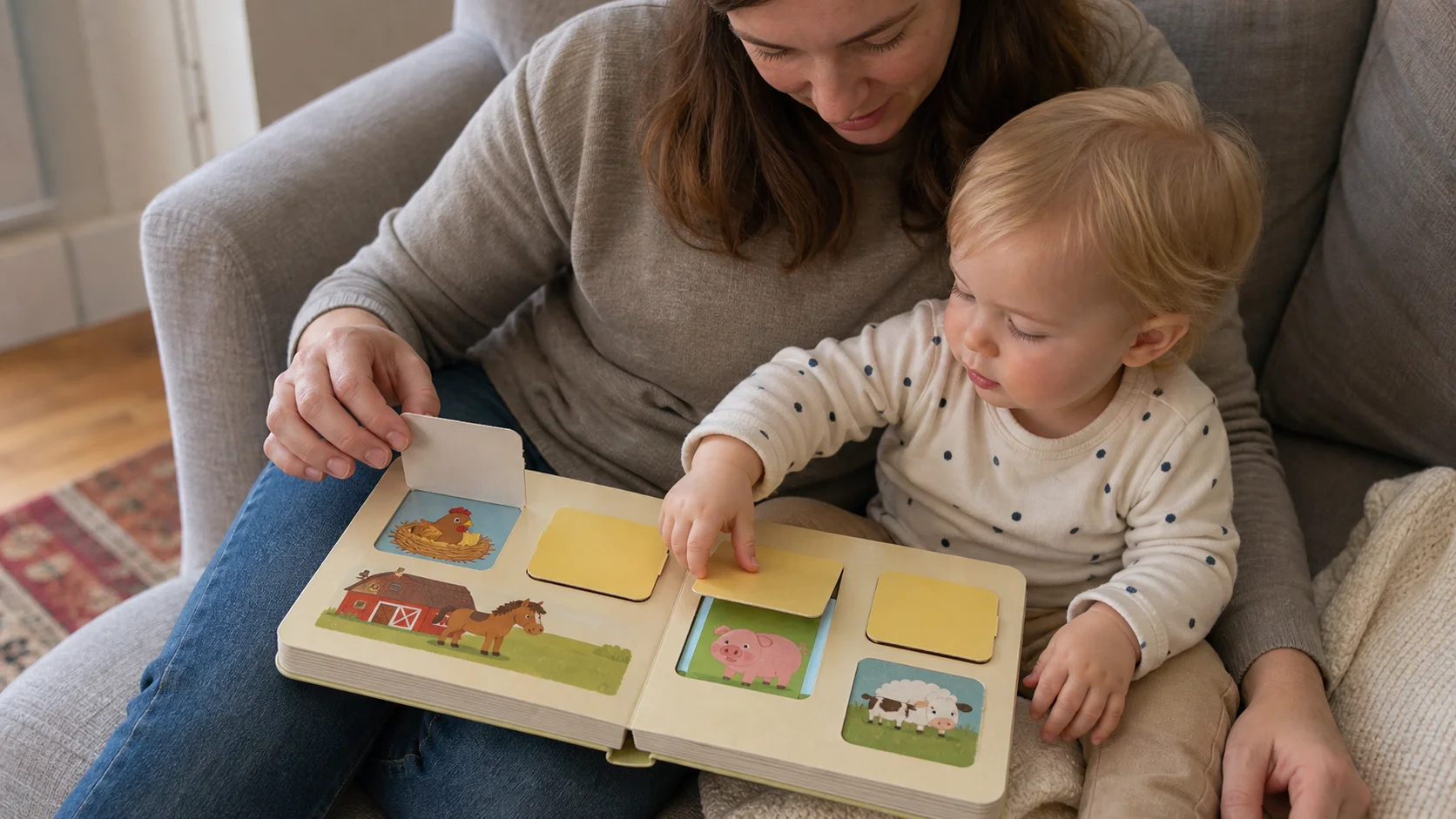
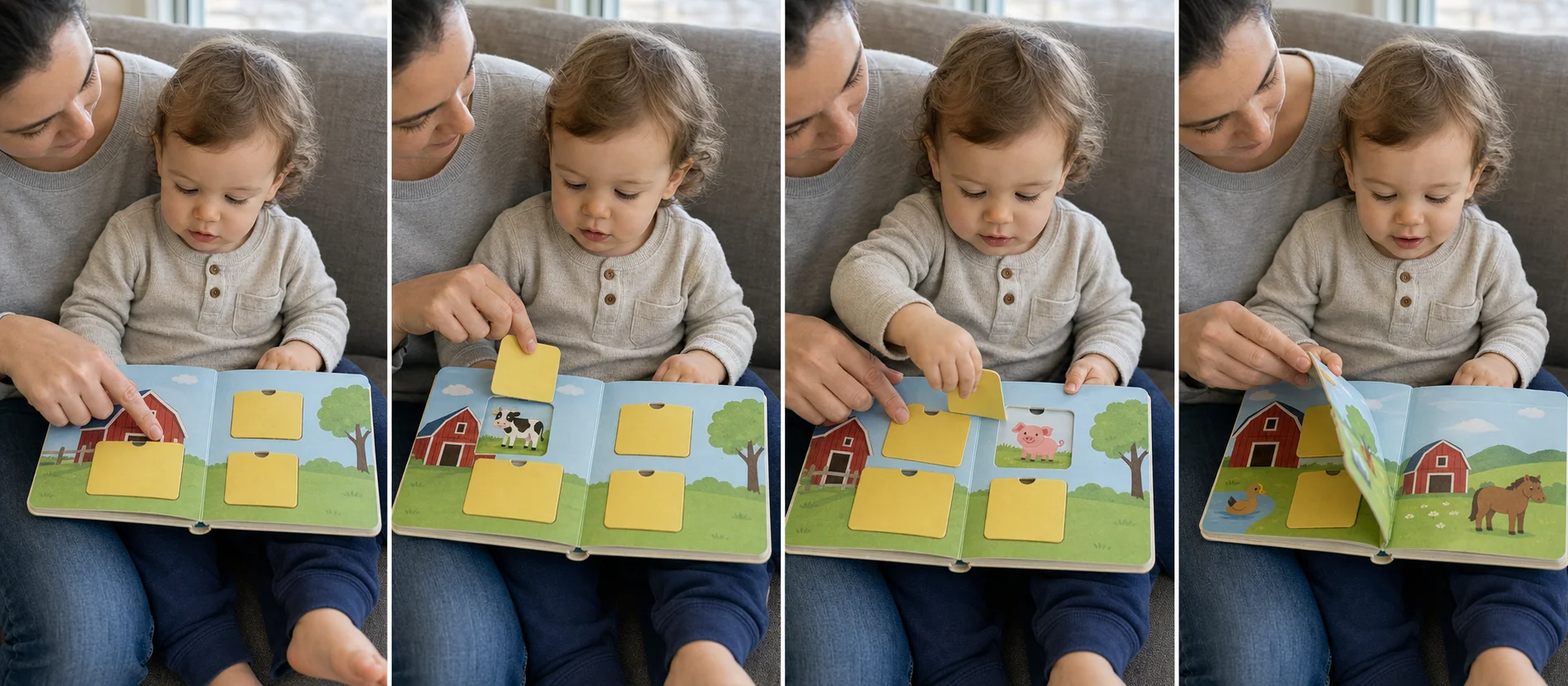
Turn every hidden picture into a reason to take turns. You lift one flap, your child lifts the next, and each reveal gives them quick practice watching, waiting, and joining a back-and-forth game.


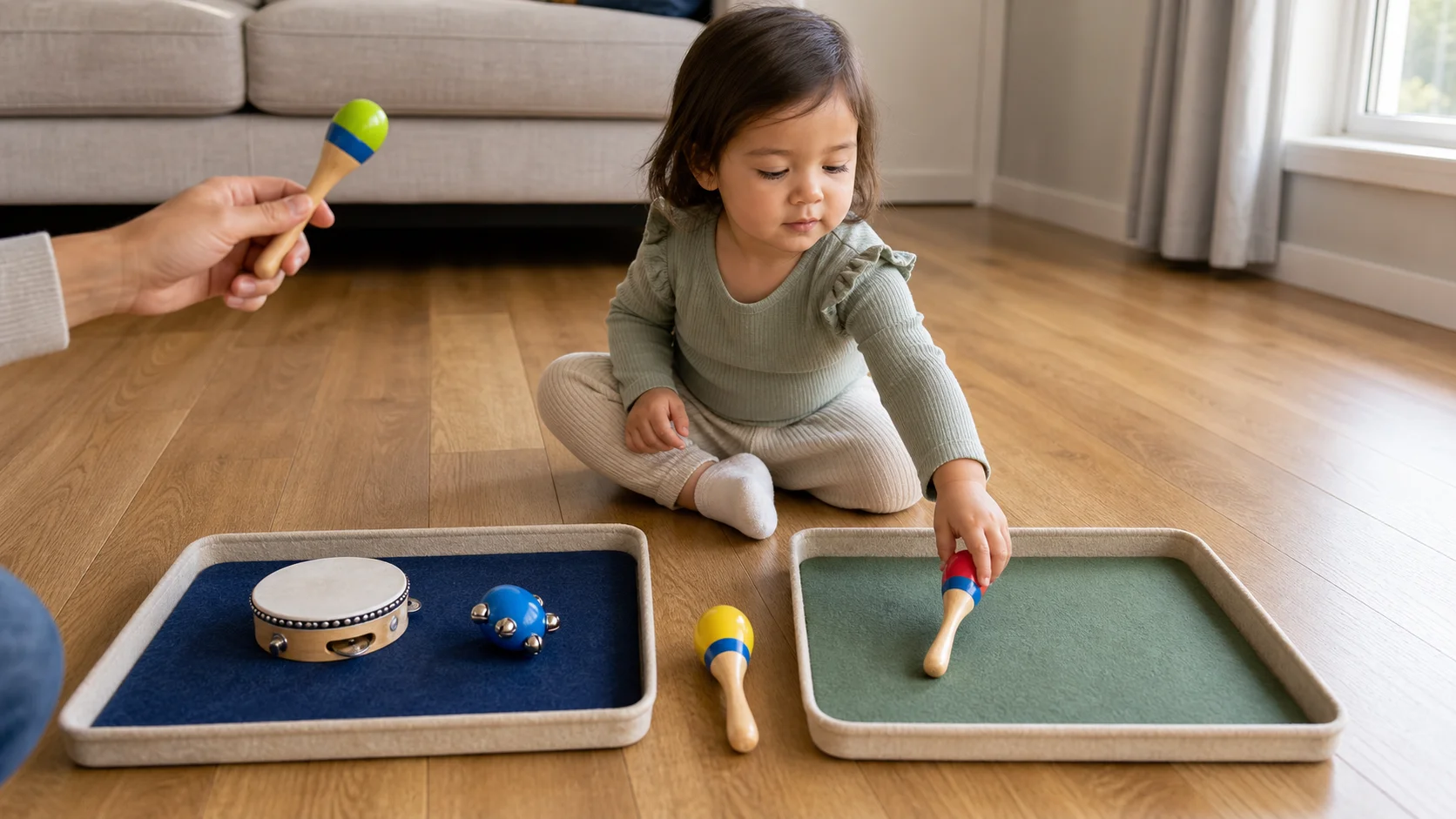
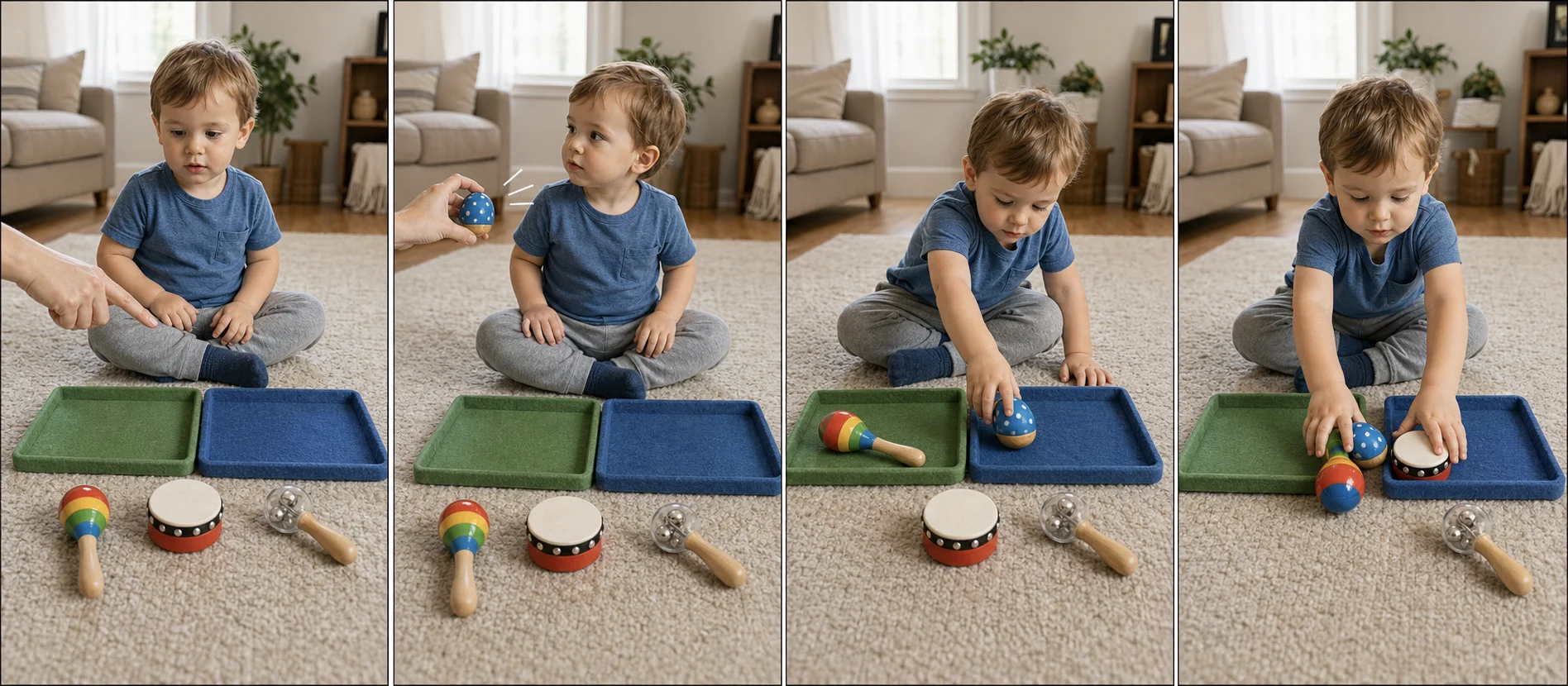
Play one instrument loudly or quietly, then let your child decide what they heard and place it in that group. Because volume changes by turn, the same instrument can land on either side in a later round.


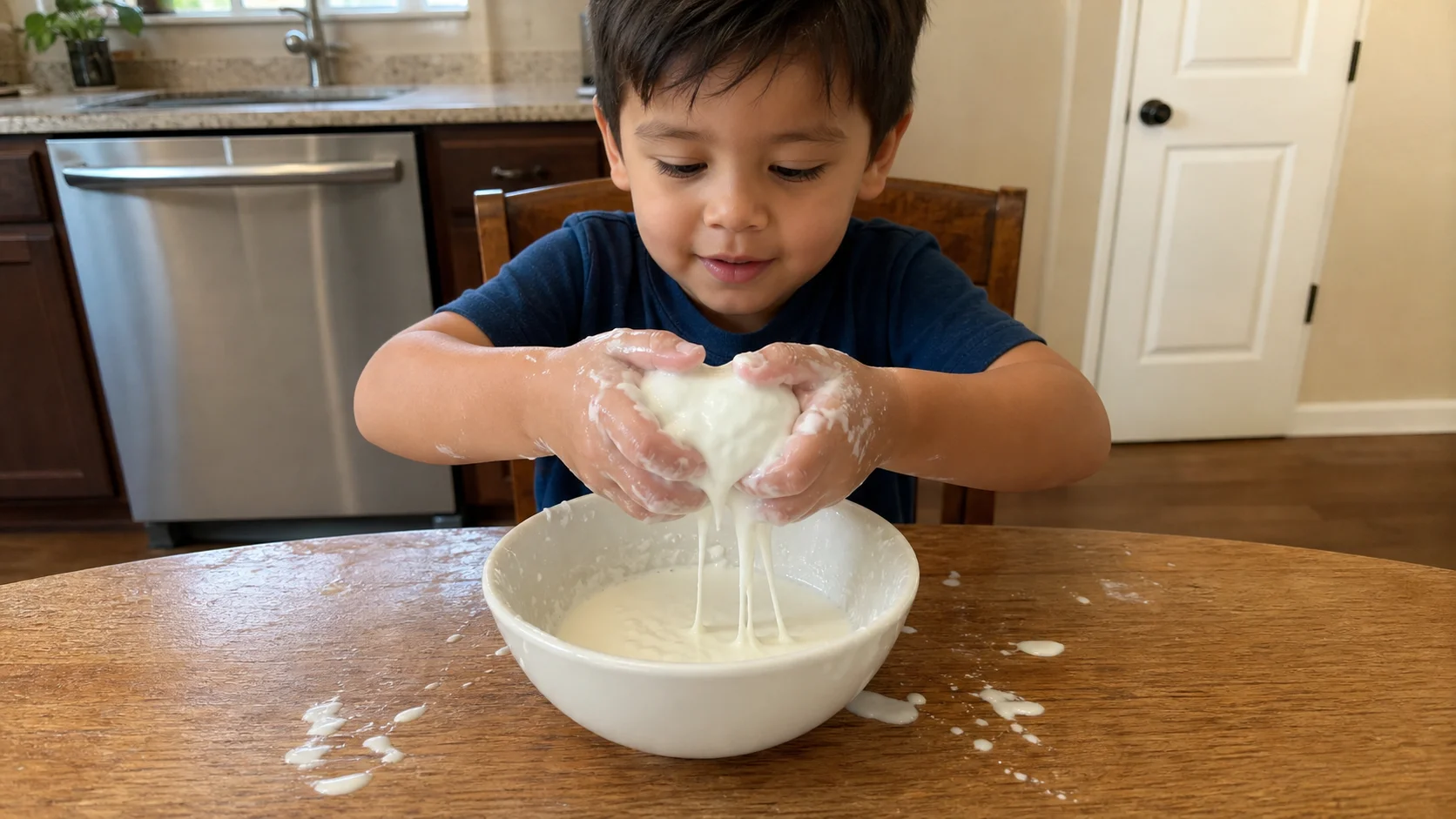
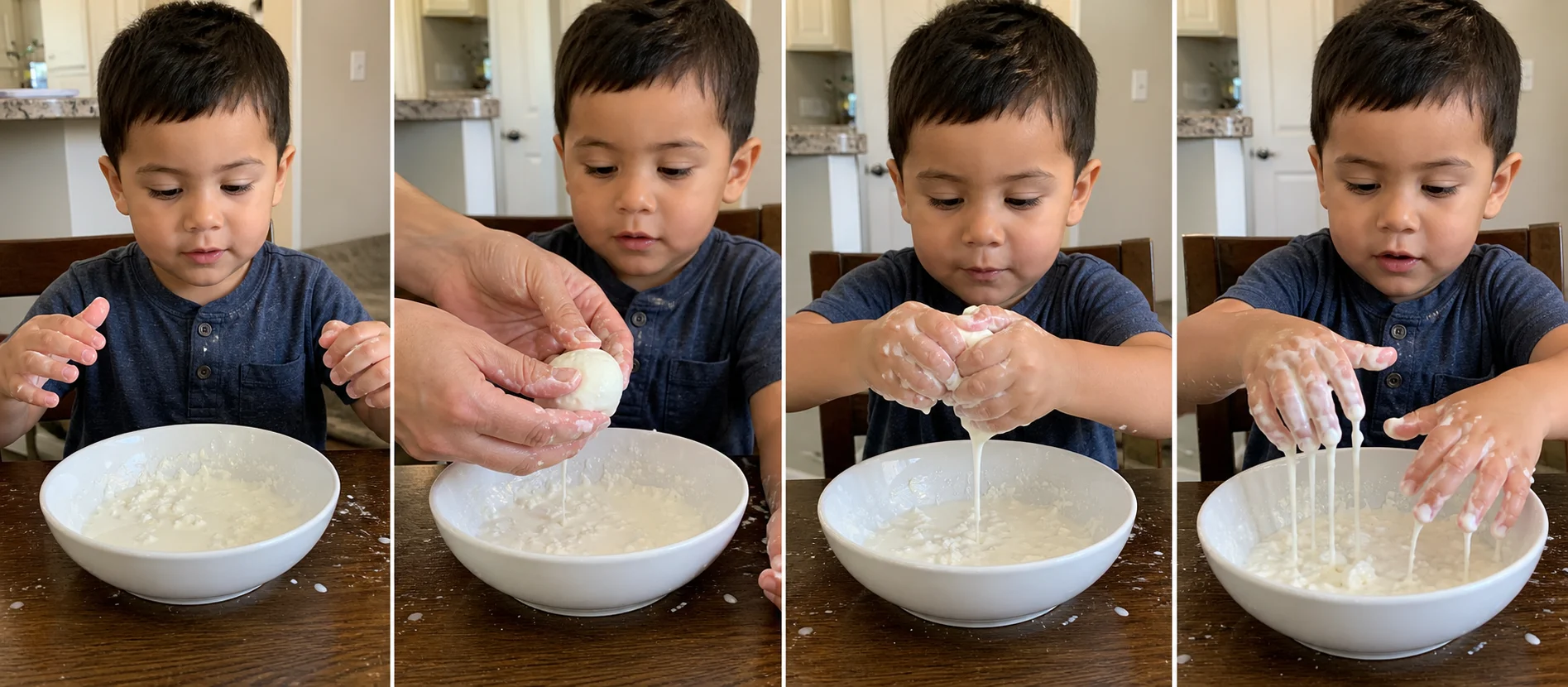
Give your child a weirdly satisfying hand challenge: squeeze cornstarch and water into a ball, then hold still and watch it melt through their fingers. Each quick round gives them practice with hand strength and release control.


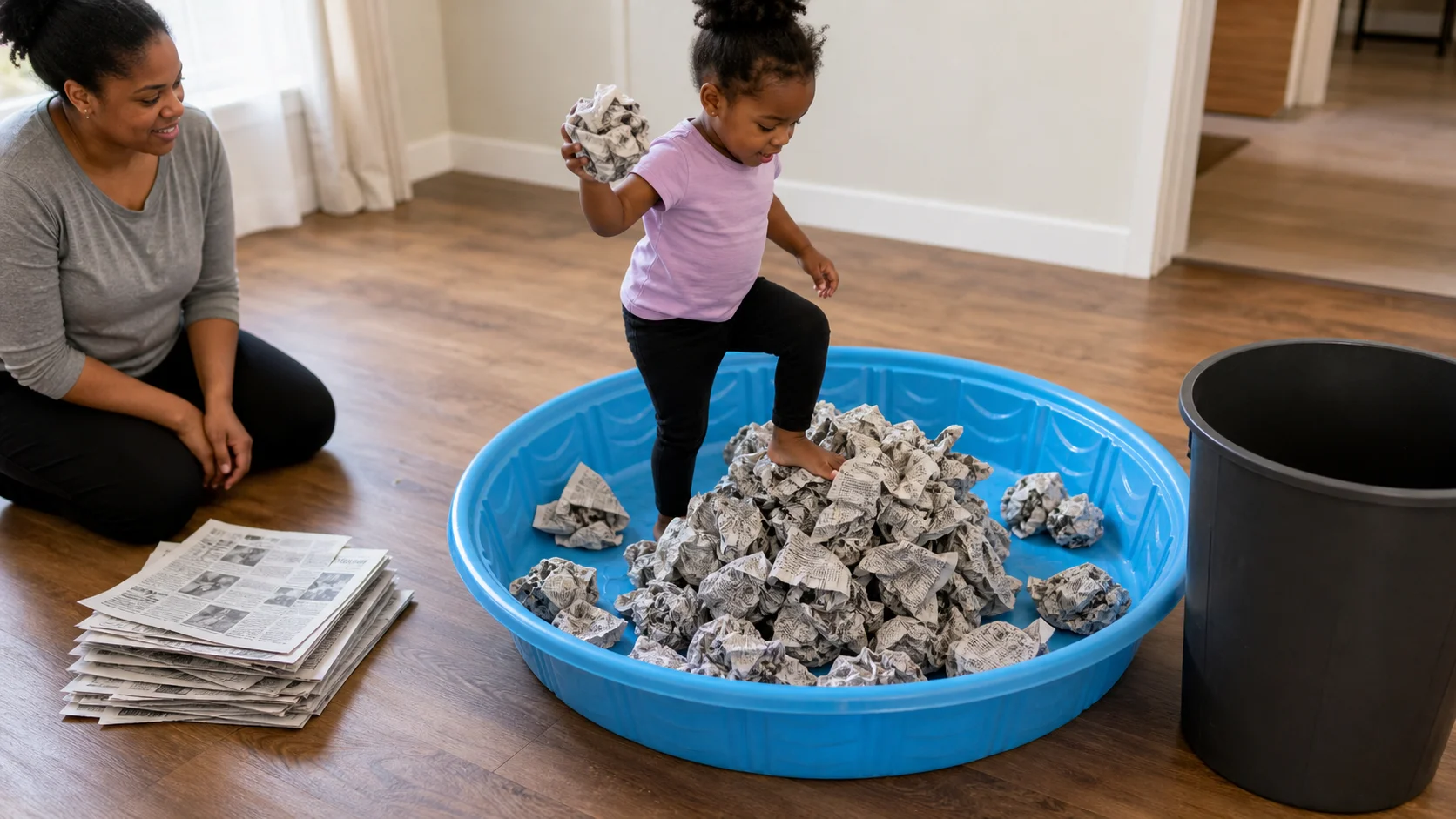
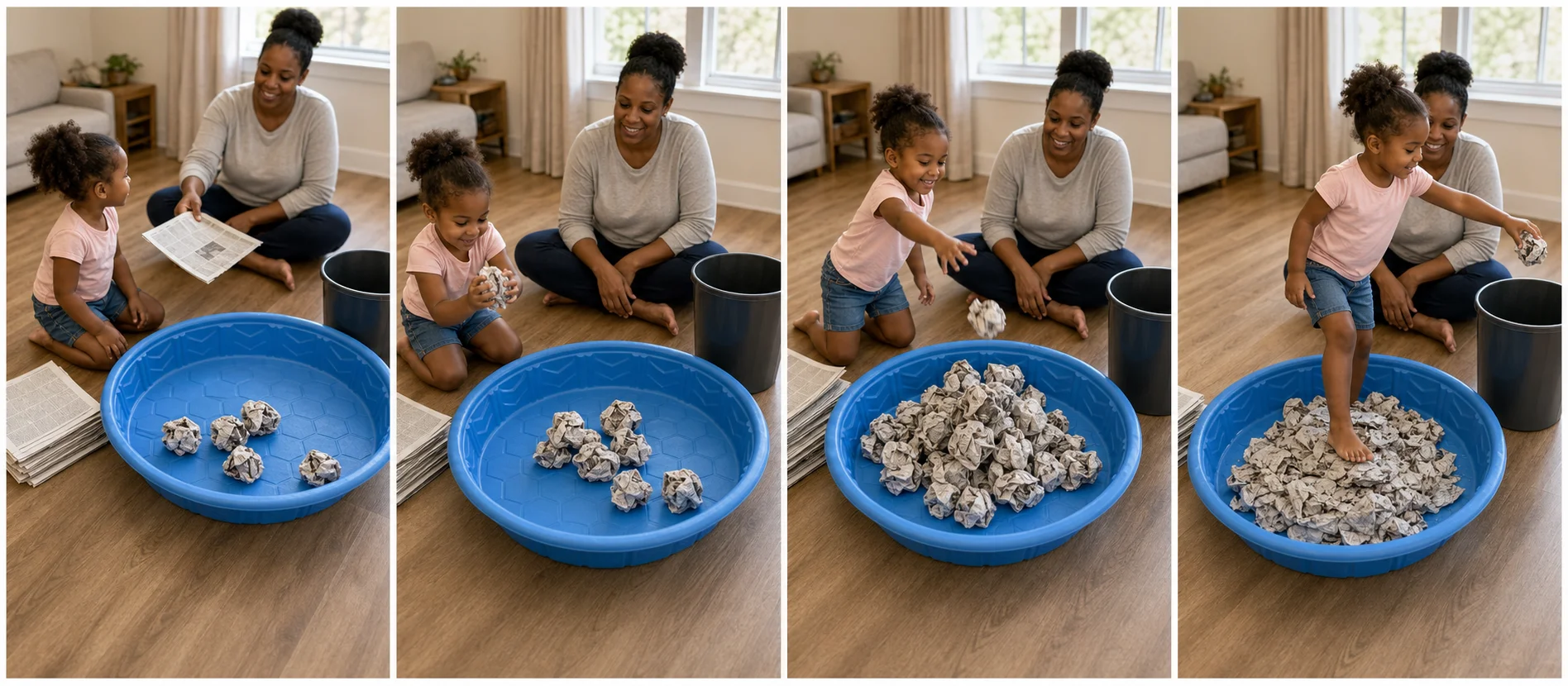
Turn a stack of newspaper into a mountain your child gets to build, climb, and crush. They crumple and toss each page into one zone, then step inside, climb over, and flatten the pile while practicing hand strength and whole-body movement.


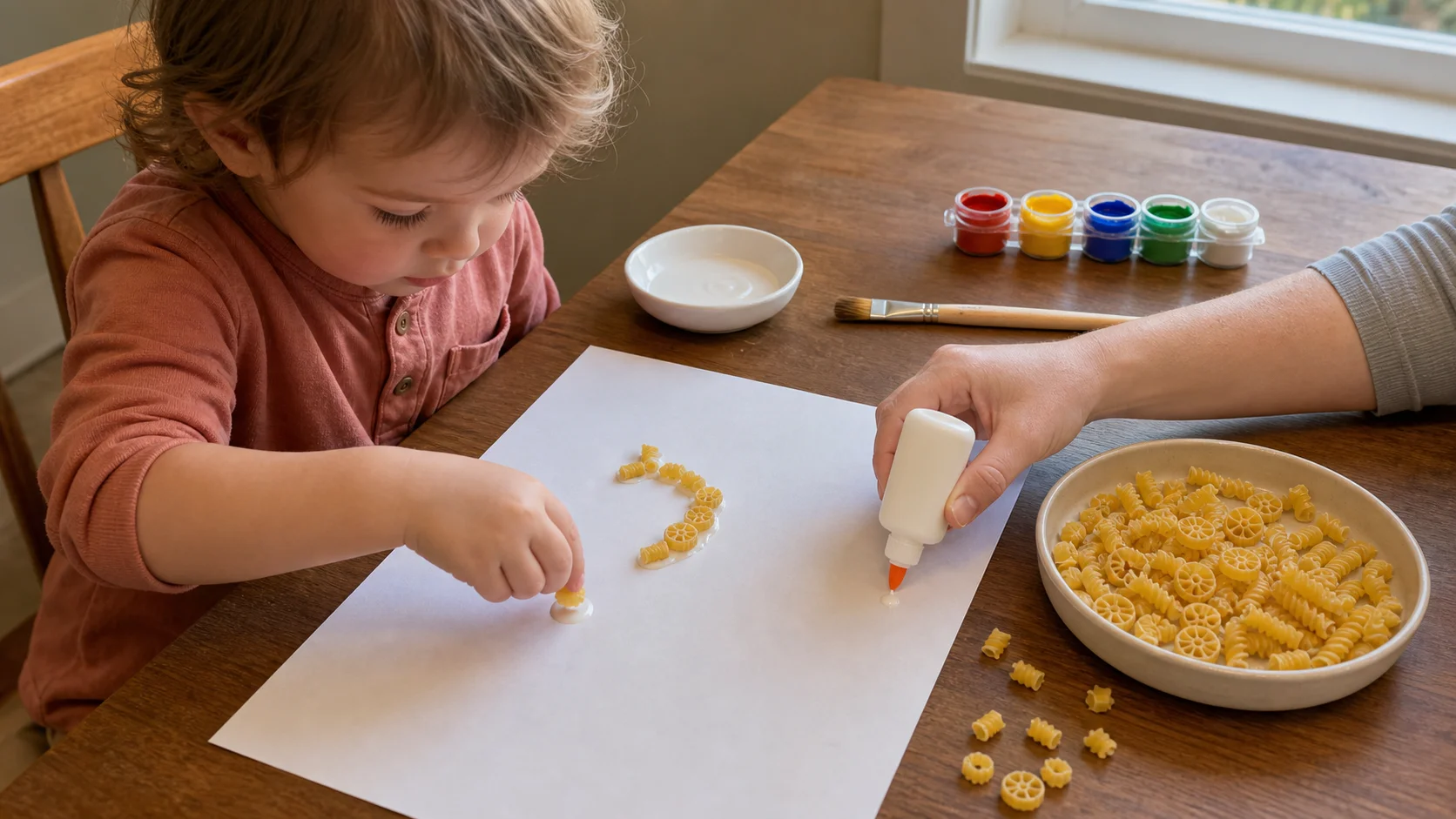
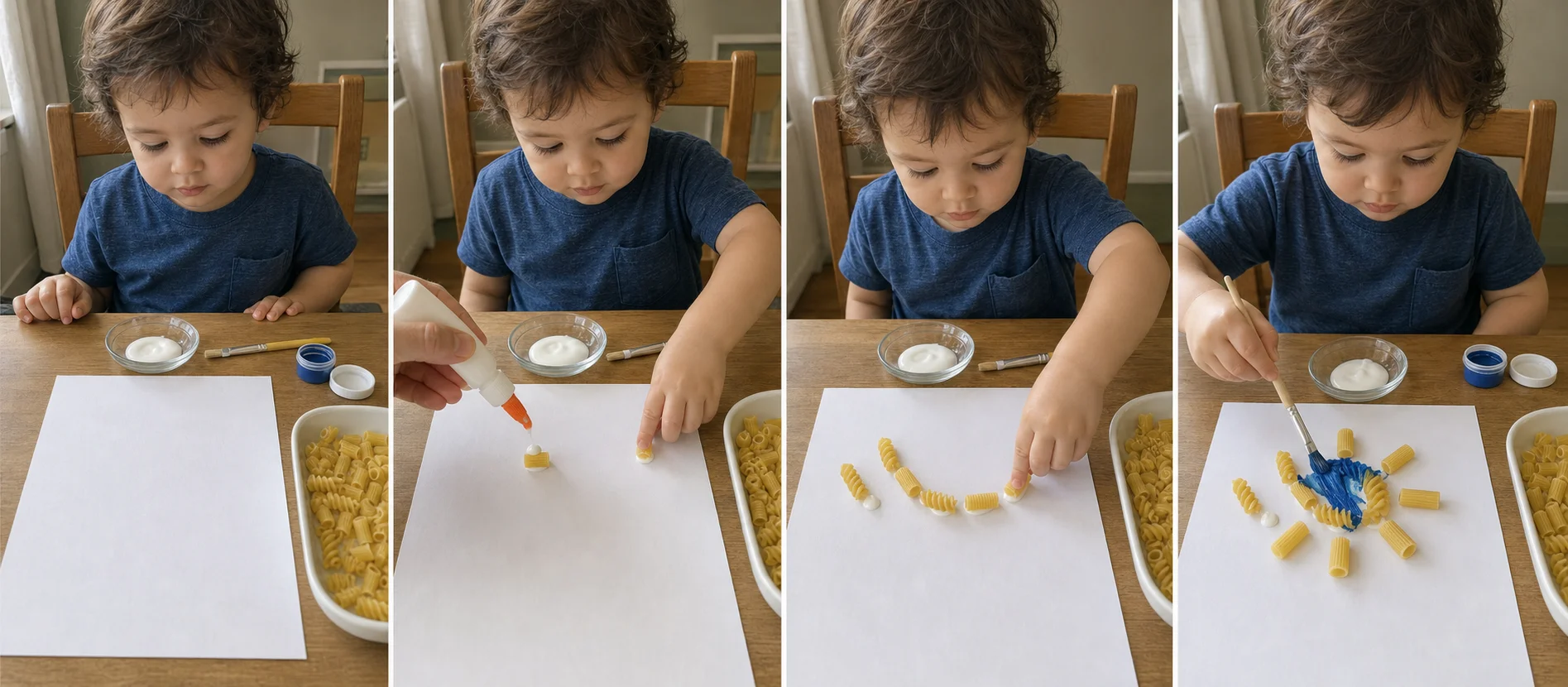
Turn dry pasta shapes into a textured picture your child can paint. Placing each piece builds finger control and lets your child ease from dry materials into messier art at their own pace.


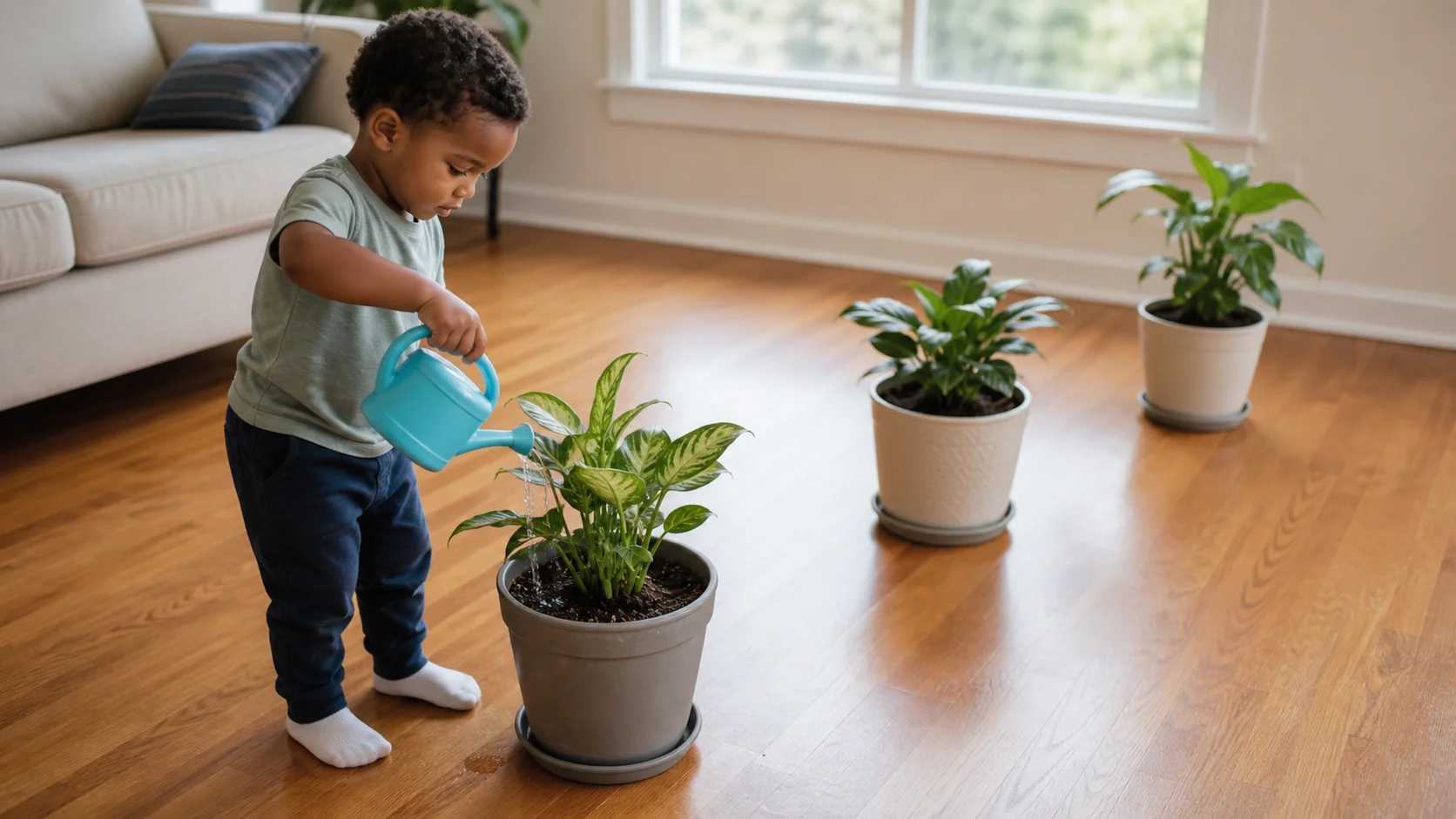
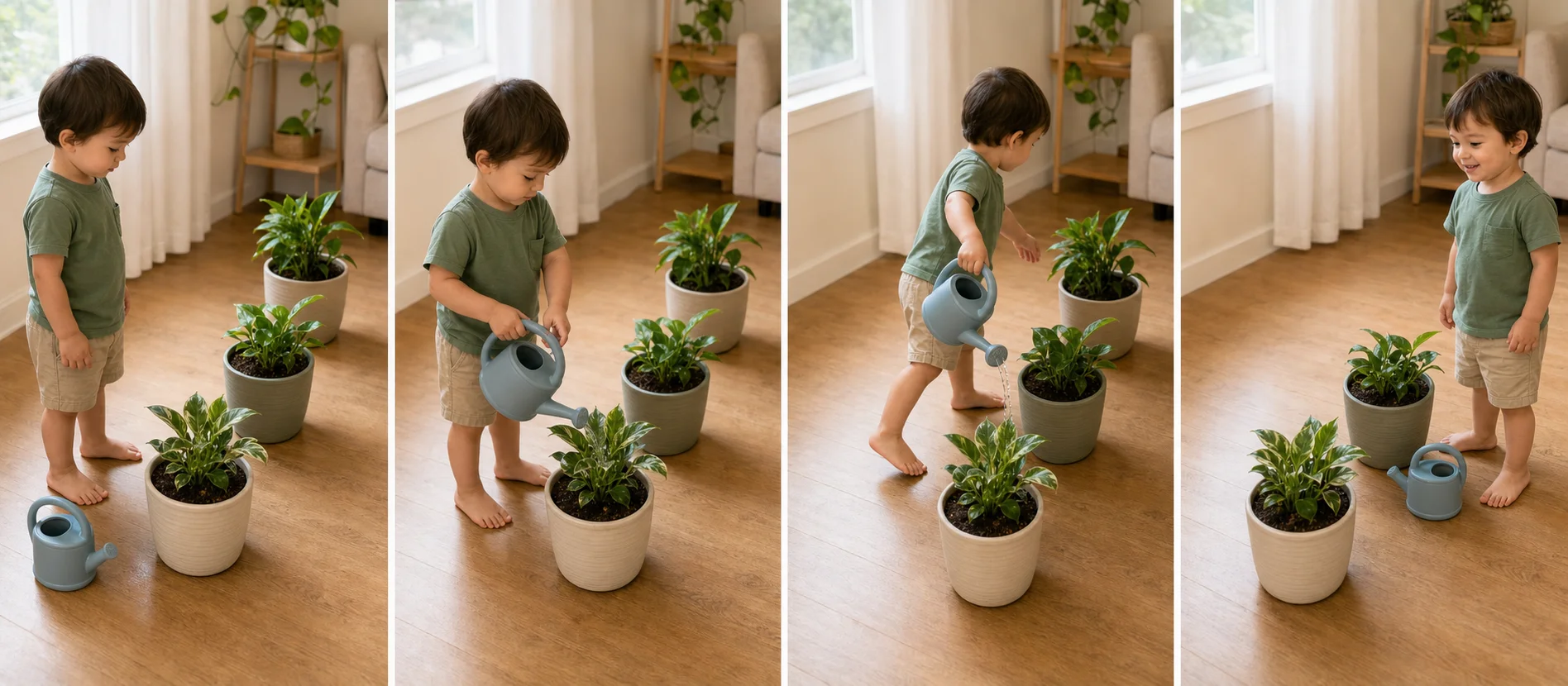
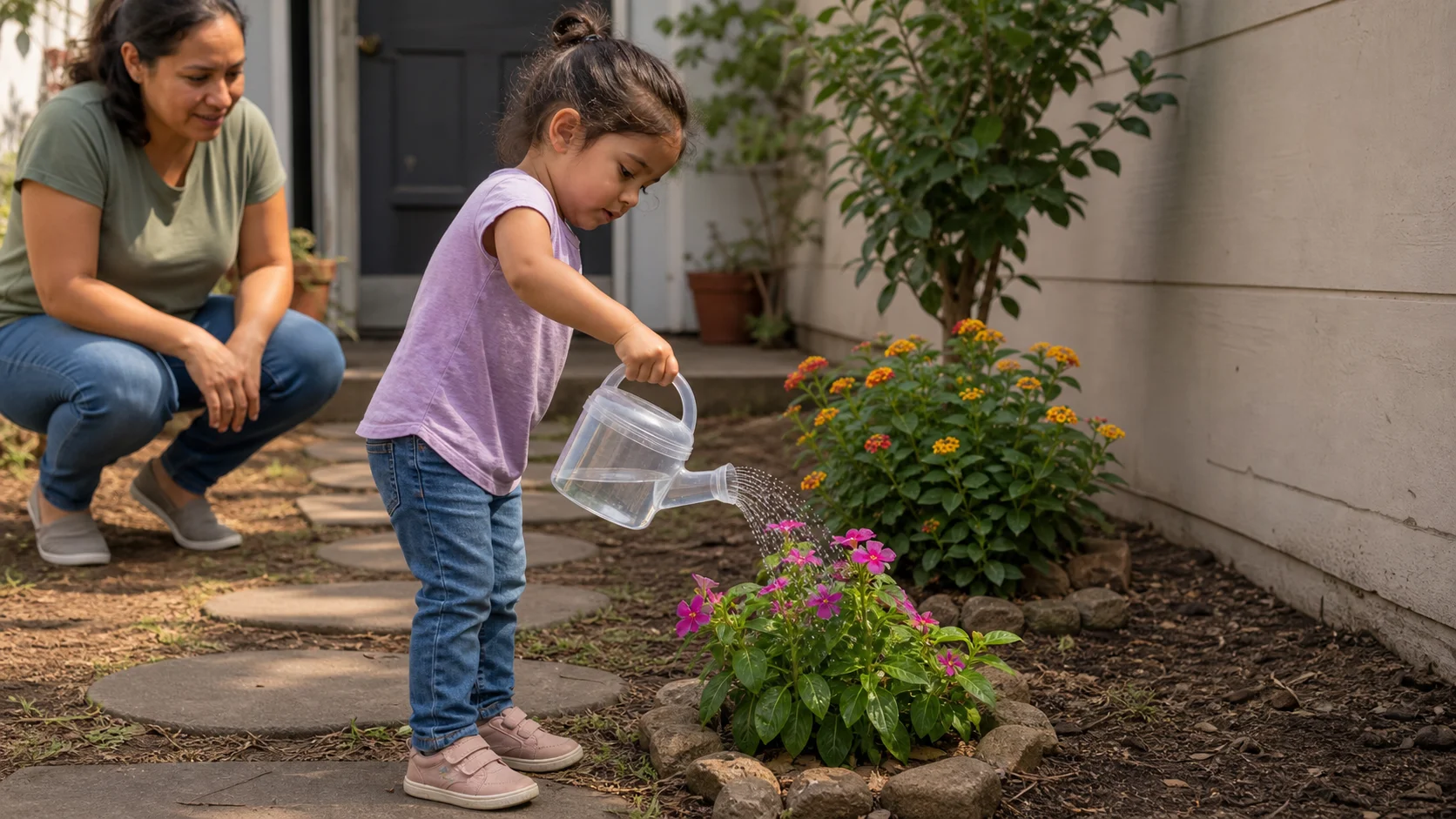
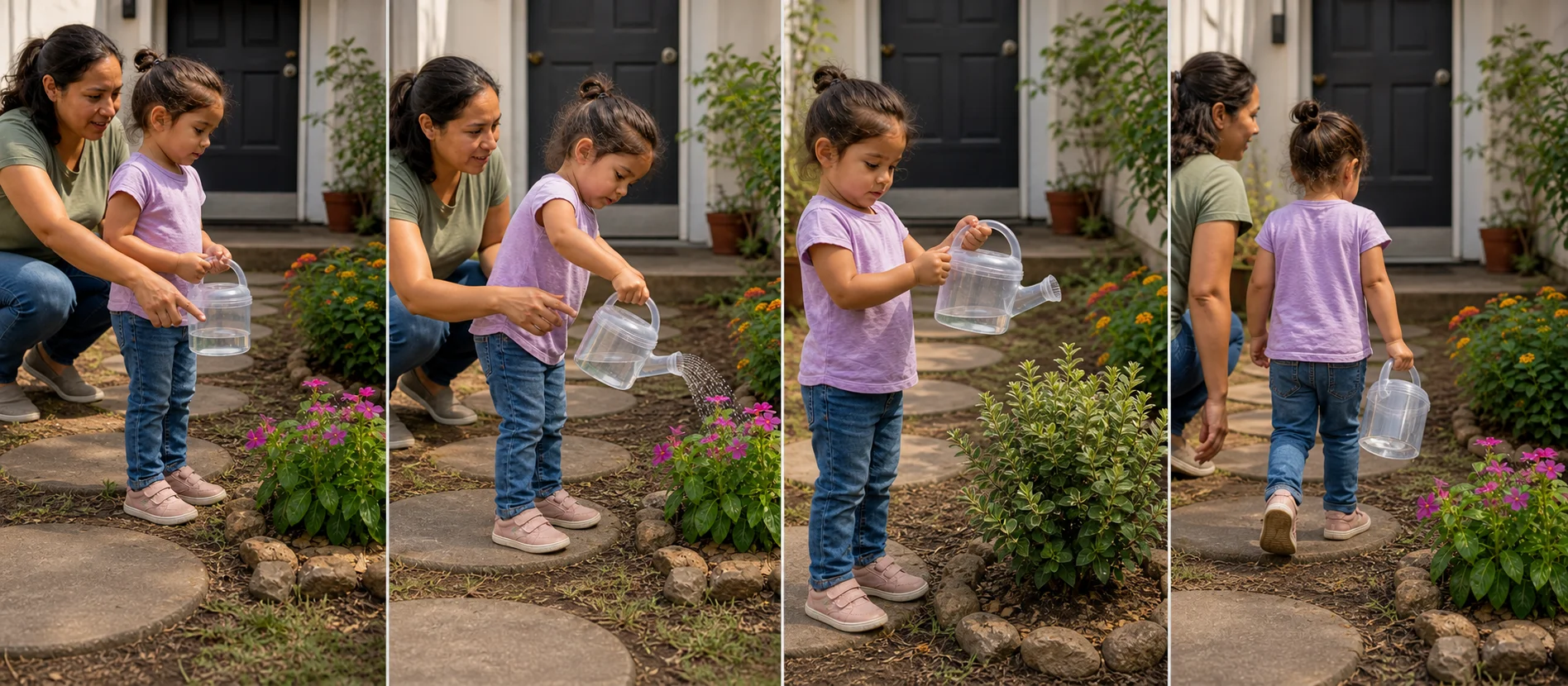
Plant Watering Route is a plant watering route activity for toddlers that helps children complete a helping job through a clear, repeatable play loop.


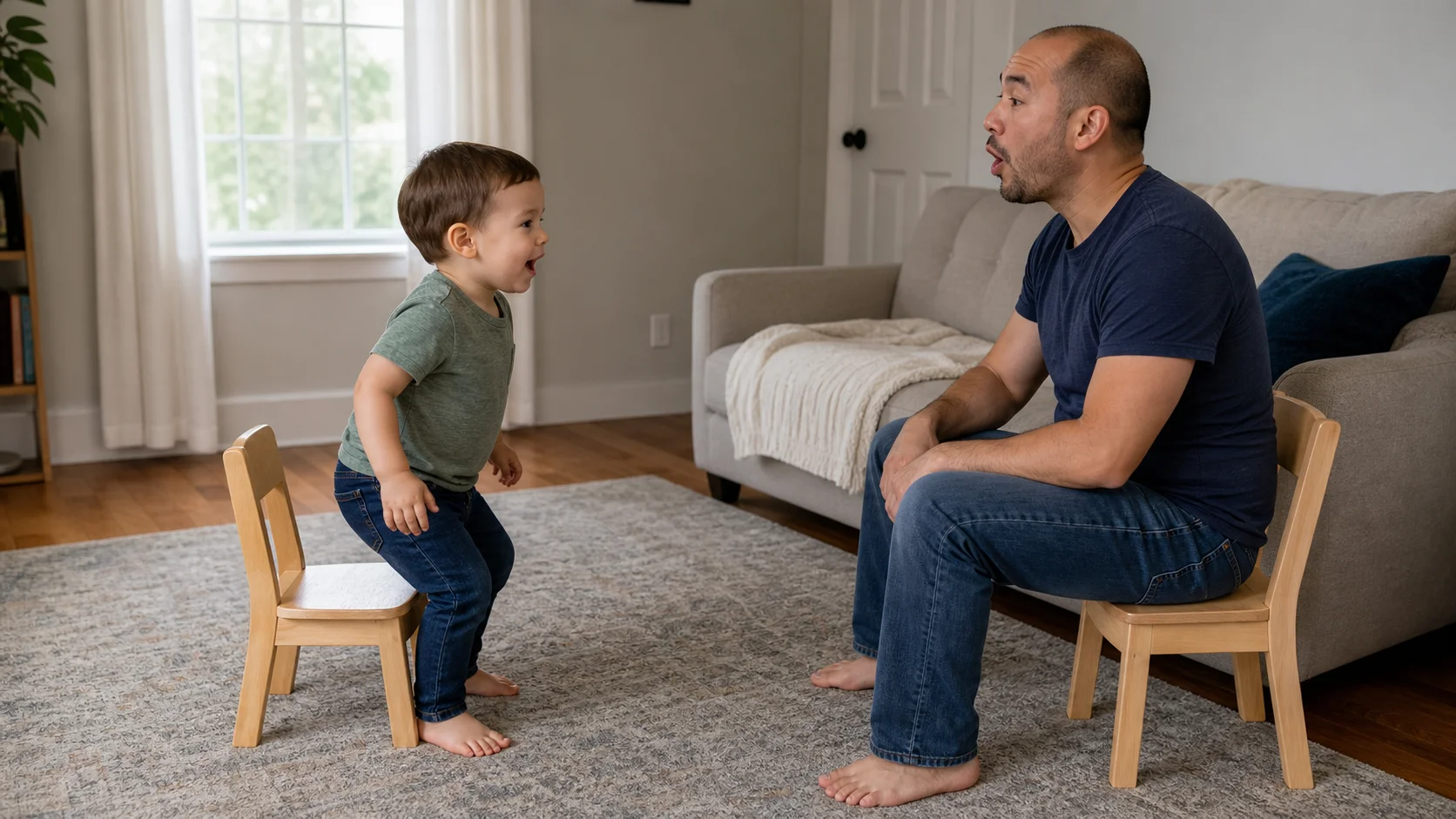
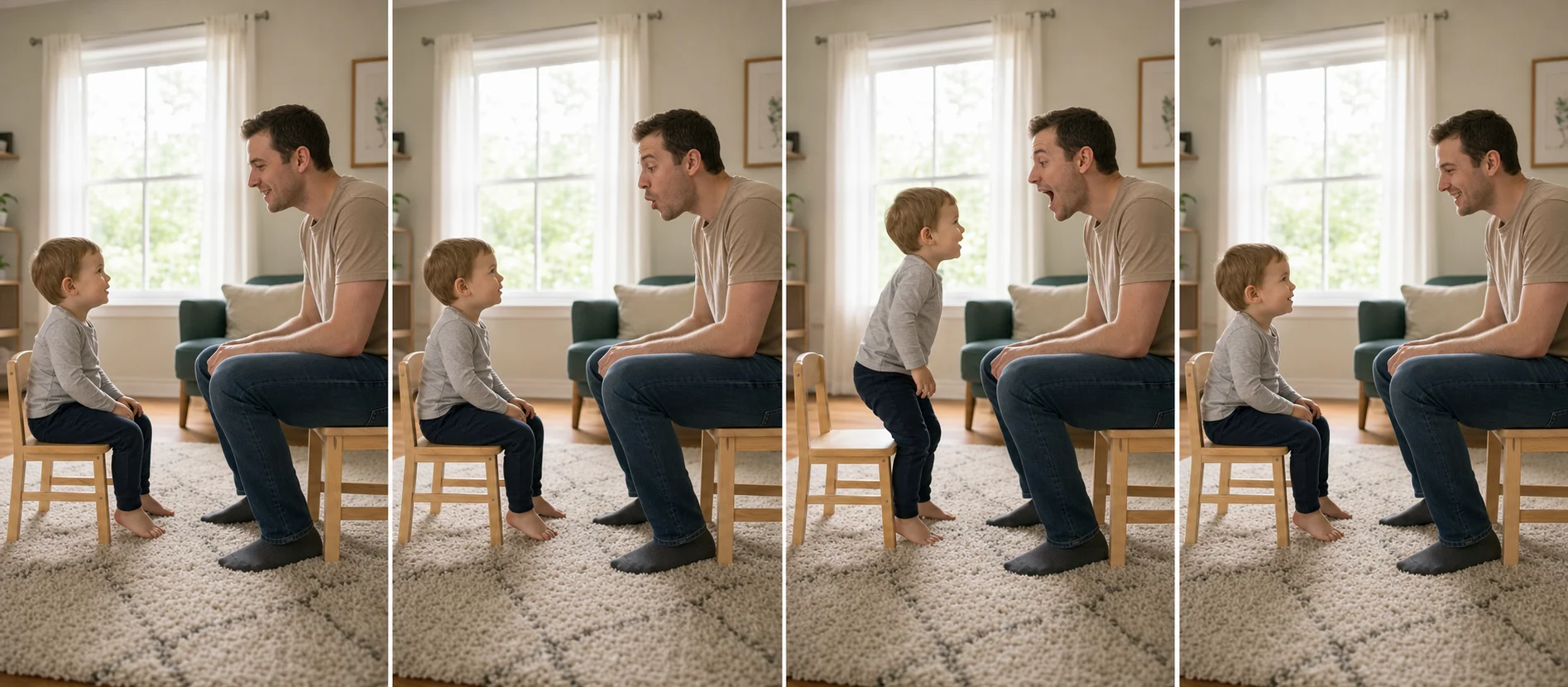
Give listening a visible action: your child stays seated through one familiar sound and pops up when they hear the chosen one. Repeating the same sit, listen, and stand rule helps them practice telling sounds apart before moving.


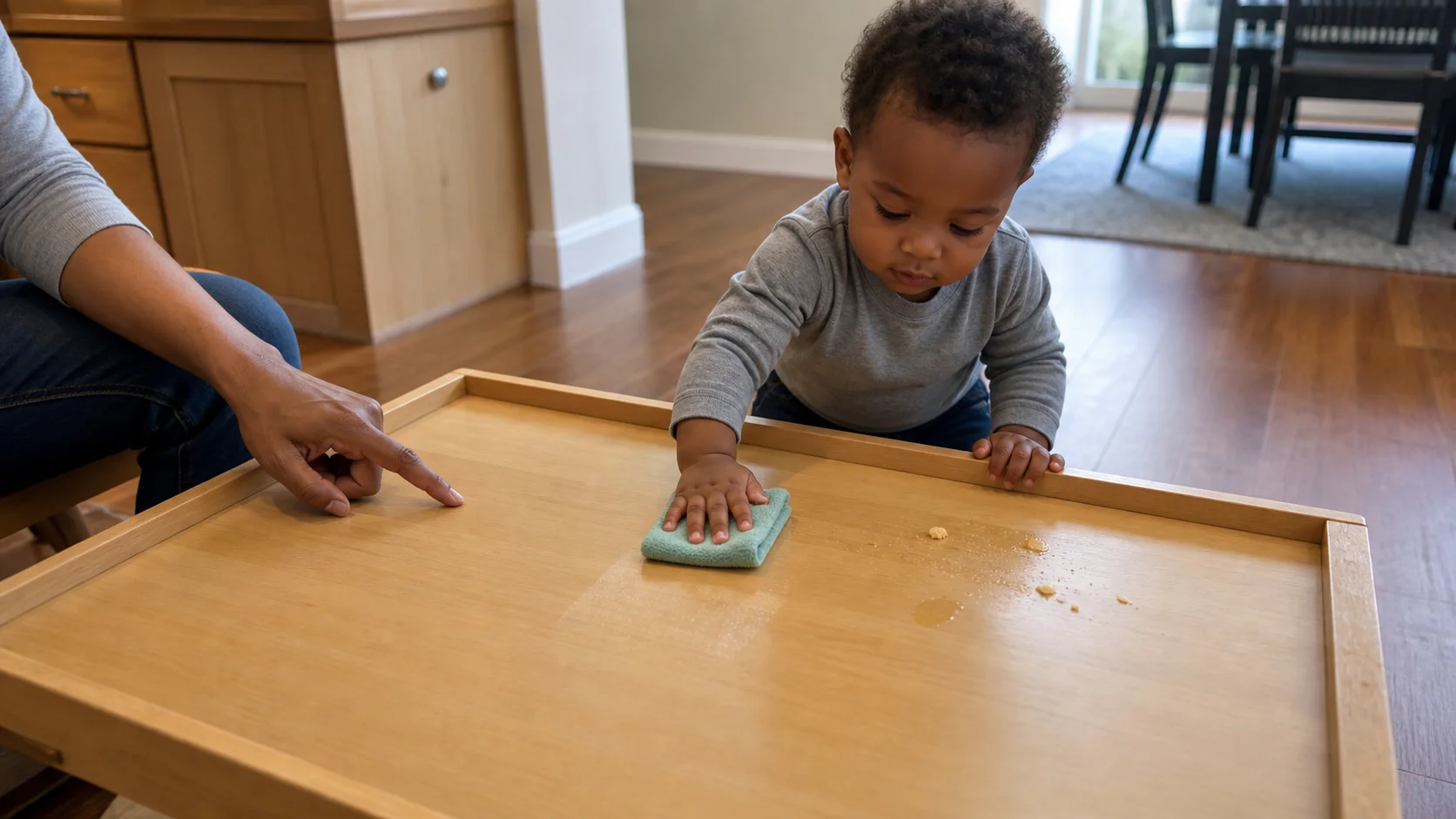
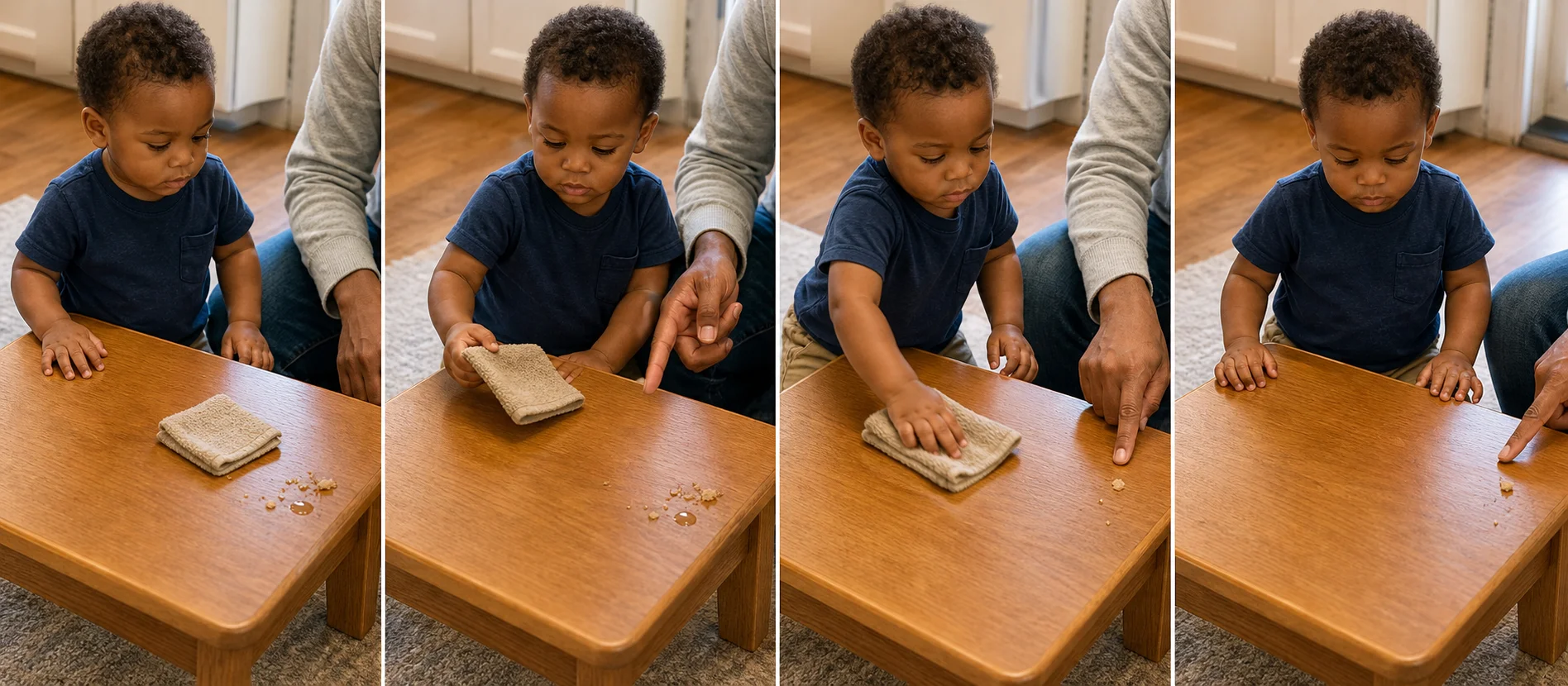
Sponge Table Swipe is a table wiping activity for toddlers that helps children join a household helping job through a clear, repeatable play loop.


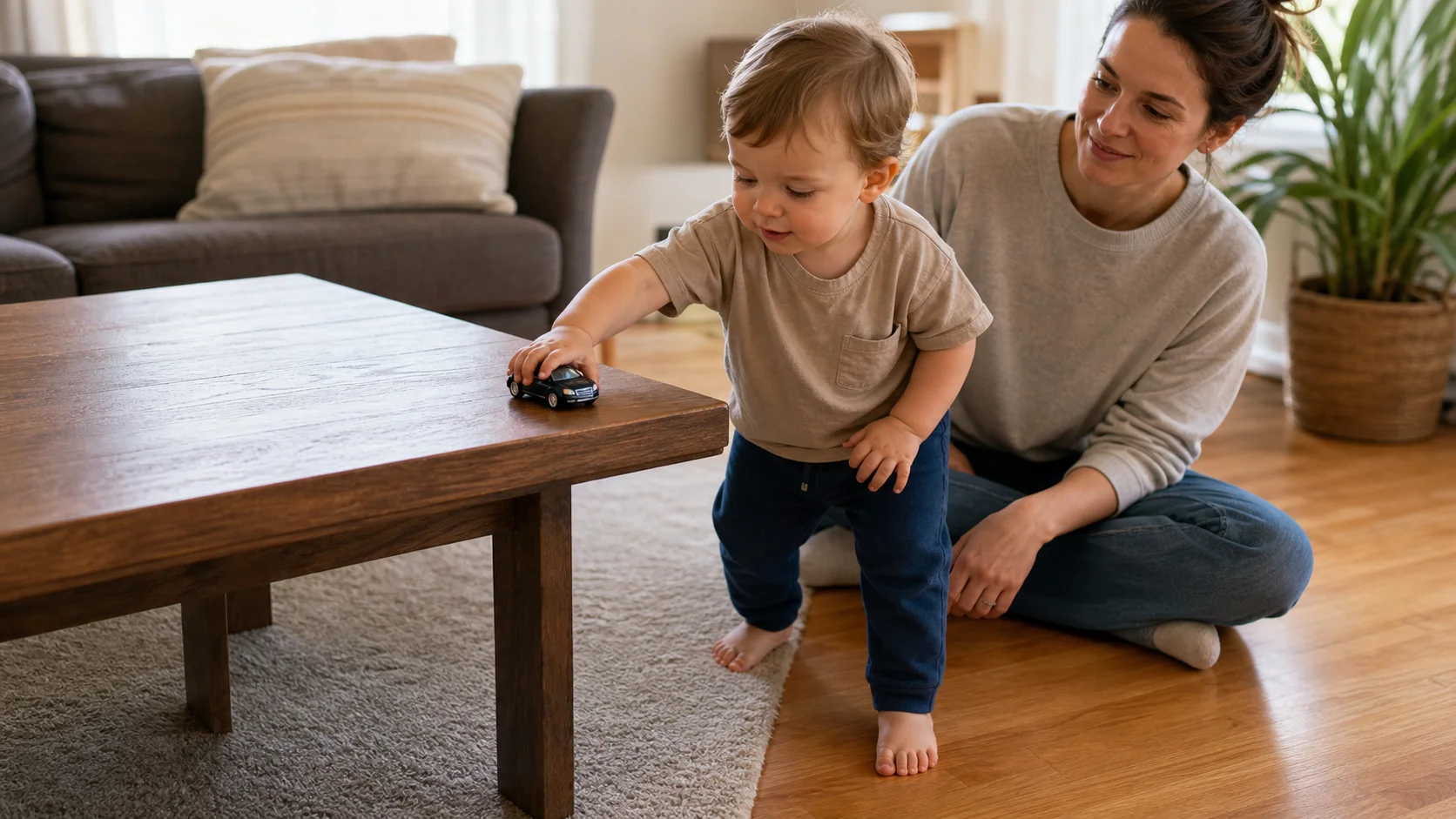
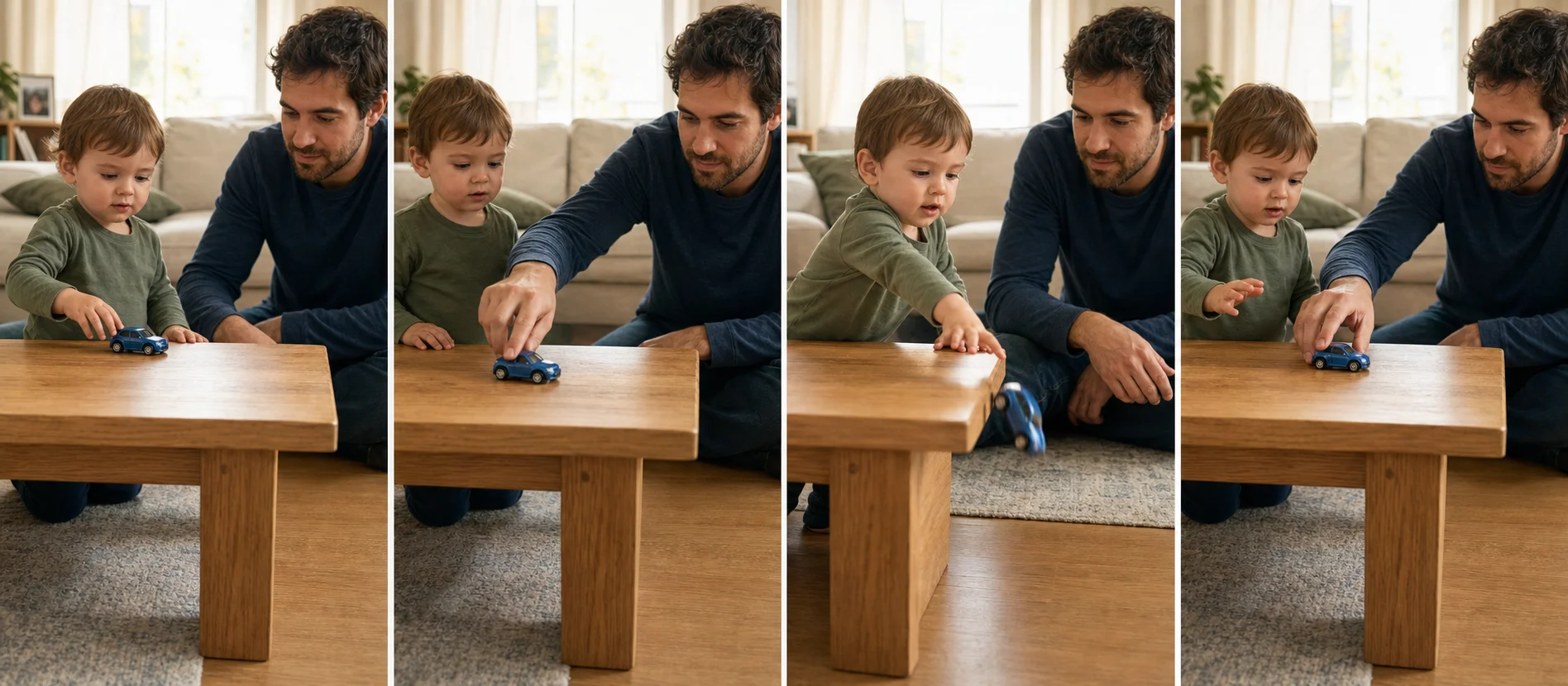
Turn one toy car and a table edge into instant cause-and-effect fun. Your child pushes the car forward, watches it drop with a crash, then sees the same action create the same result again.


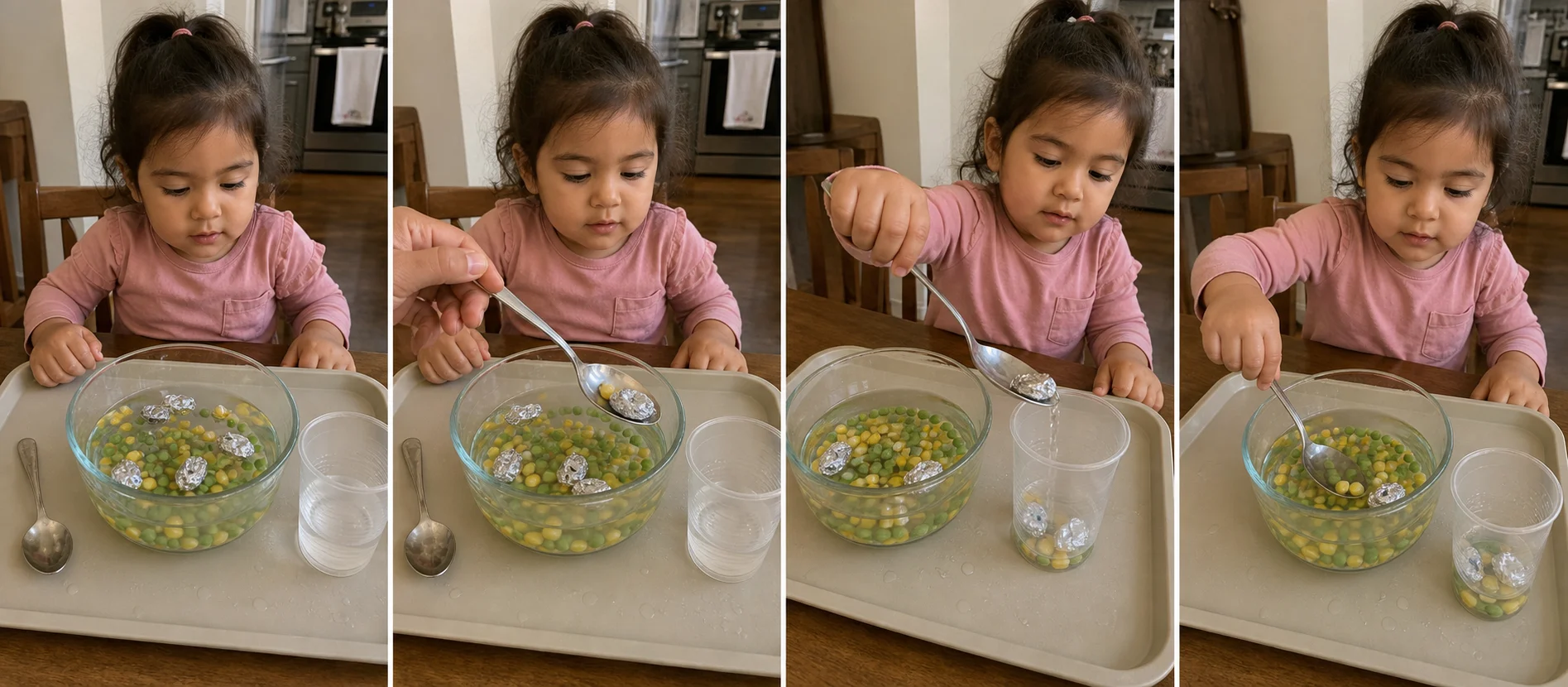
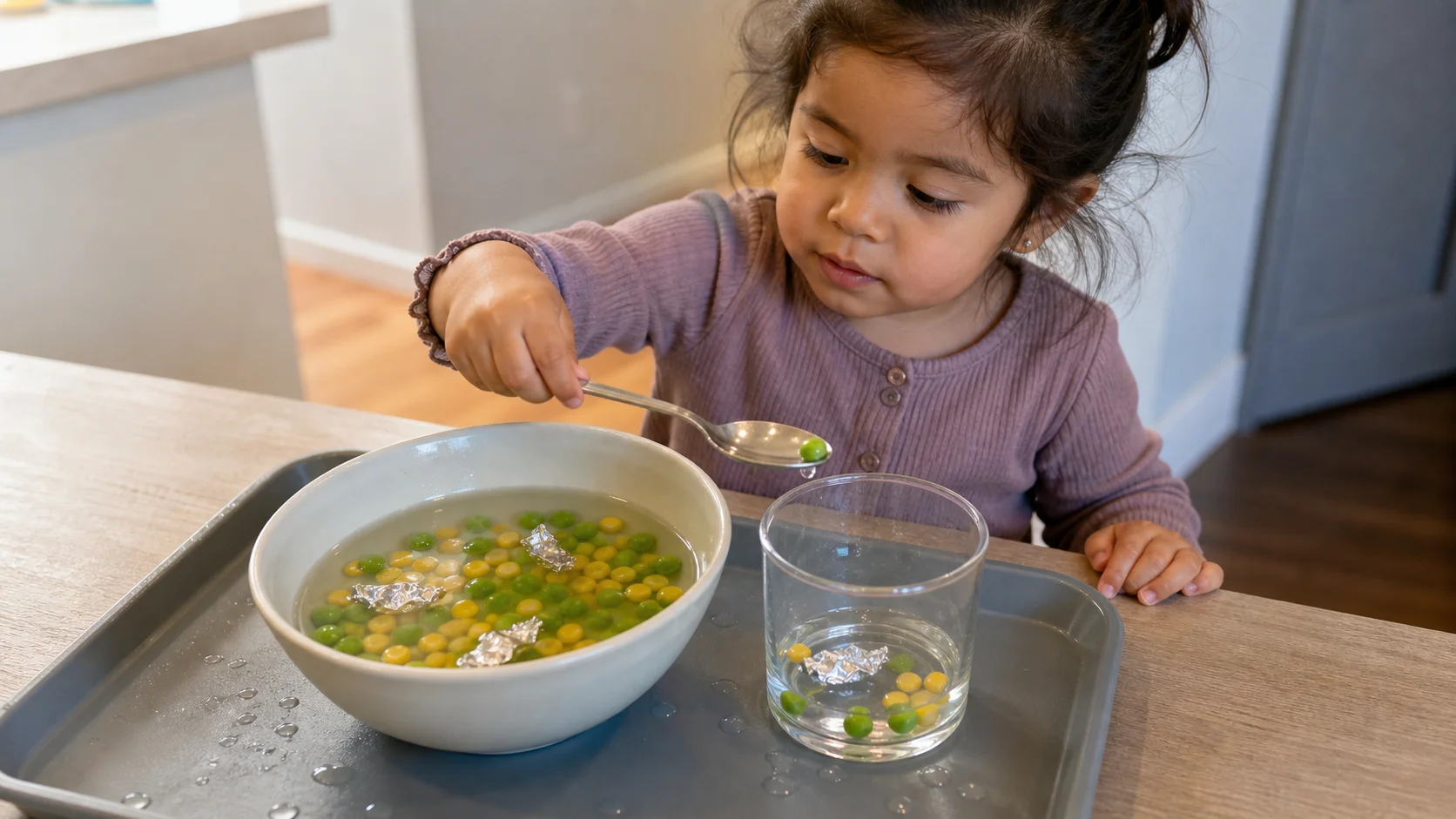
Give wet sensory play a clear, manageable job: your child rescues peas, sweetcorn, and fish shapes from a bowl of water and drops them into a clear cup. Each one-piece rescue practices controlled container-to-container transfers with a visible finish.


Give a short walk a clear finish line. Your child carries a little water, sprinkles safe plants along the route, then turns back when the container is empty.


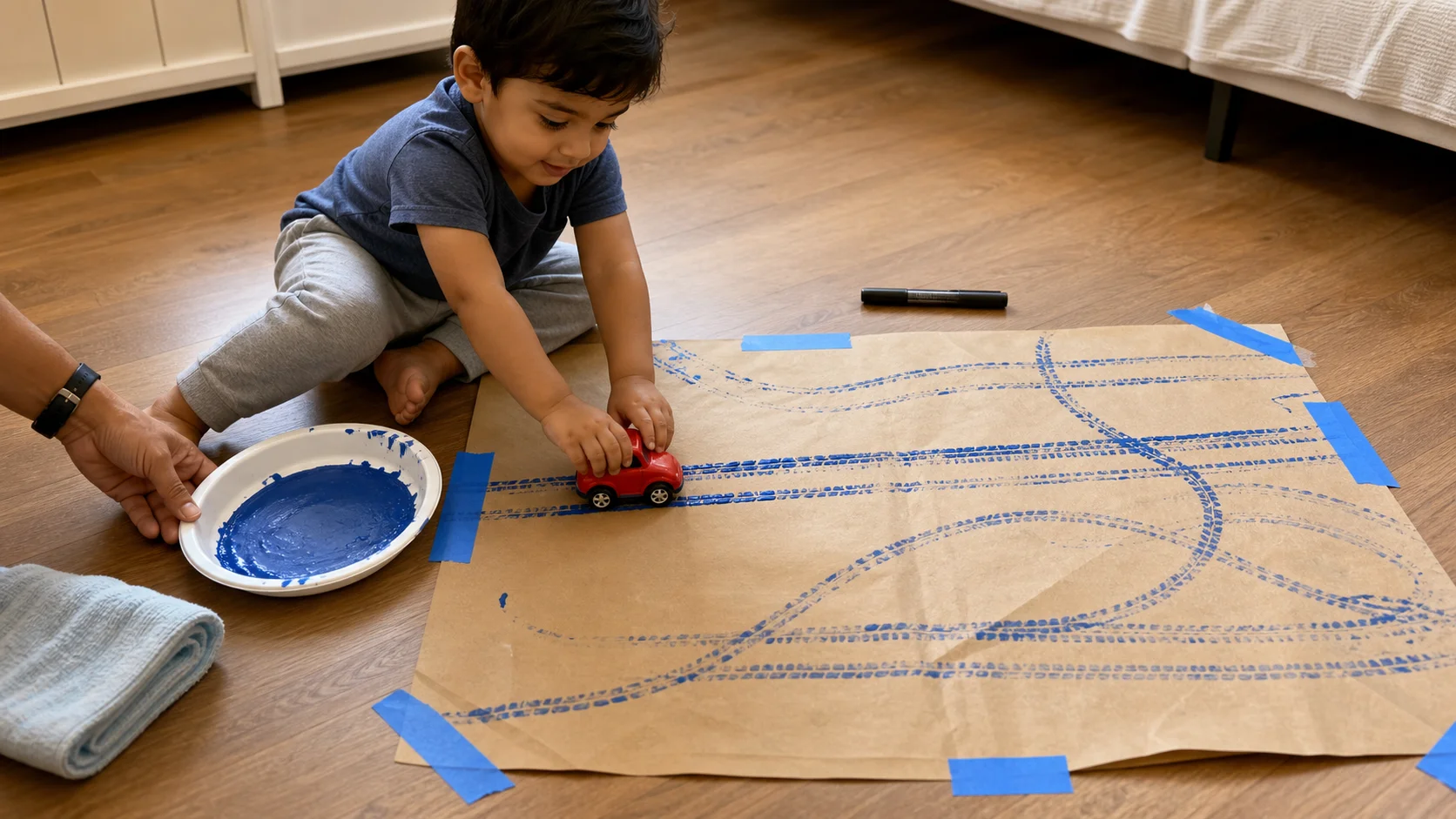
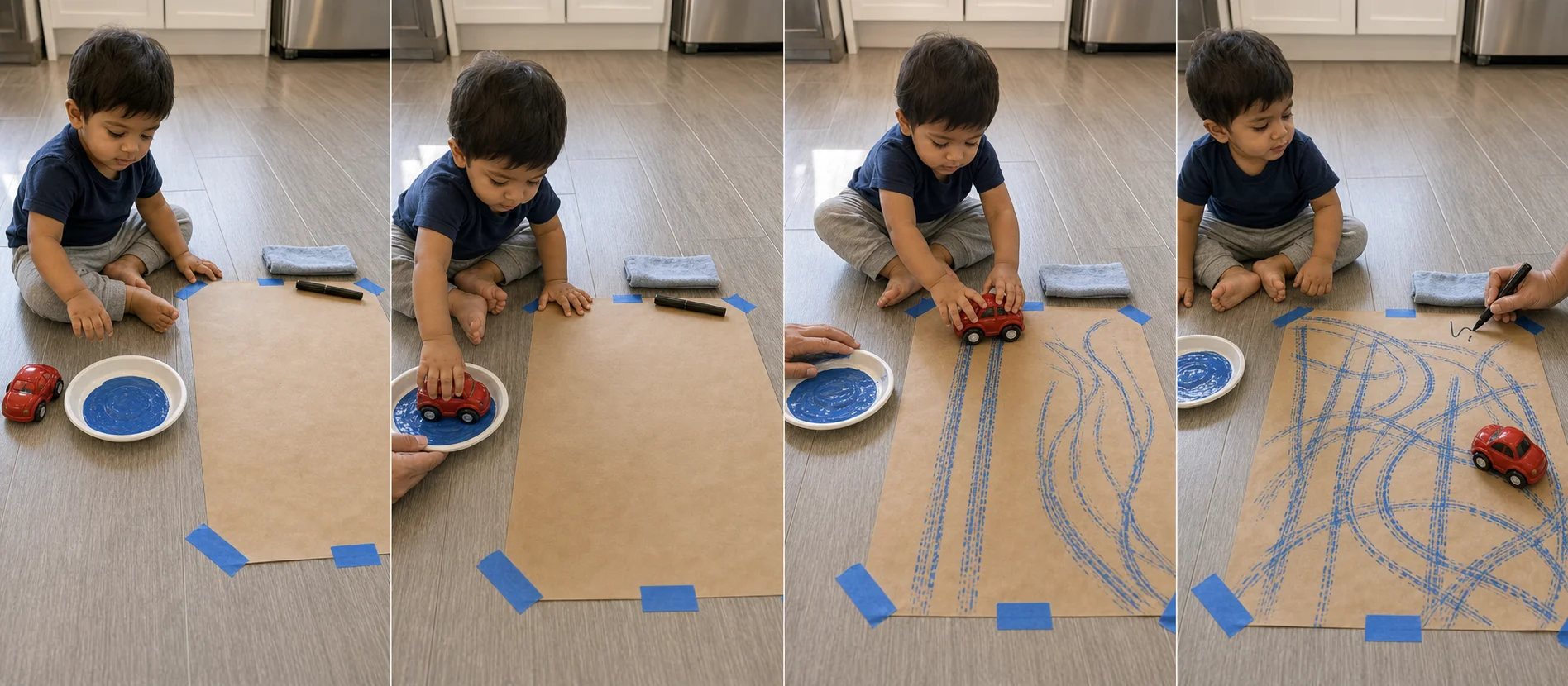
Turn a toy car into a first writing tool. Your child dips the wheels in water or washable paint, drives across paper, and watches lines and curves appear while building the hand control used for early writing.


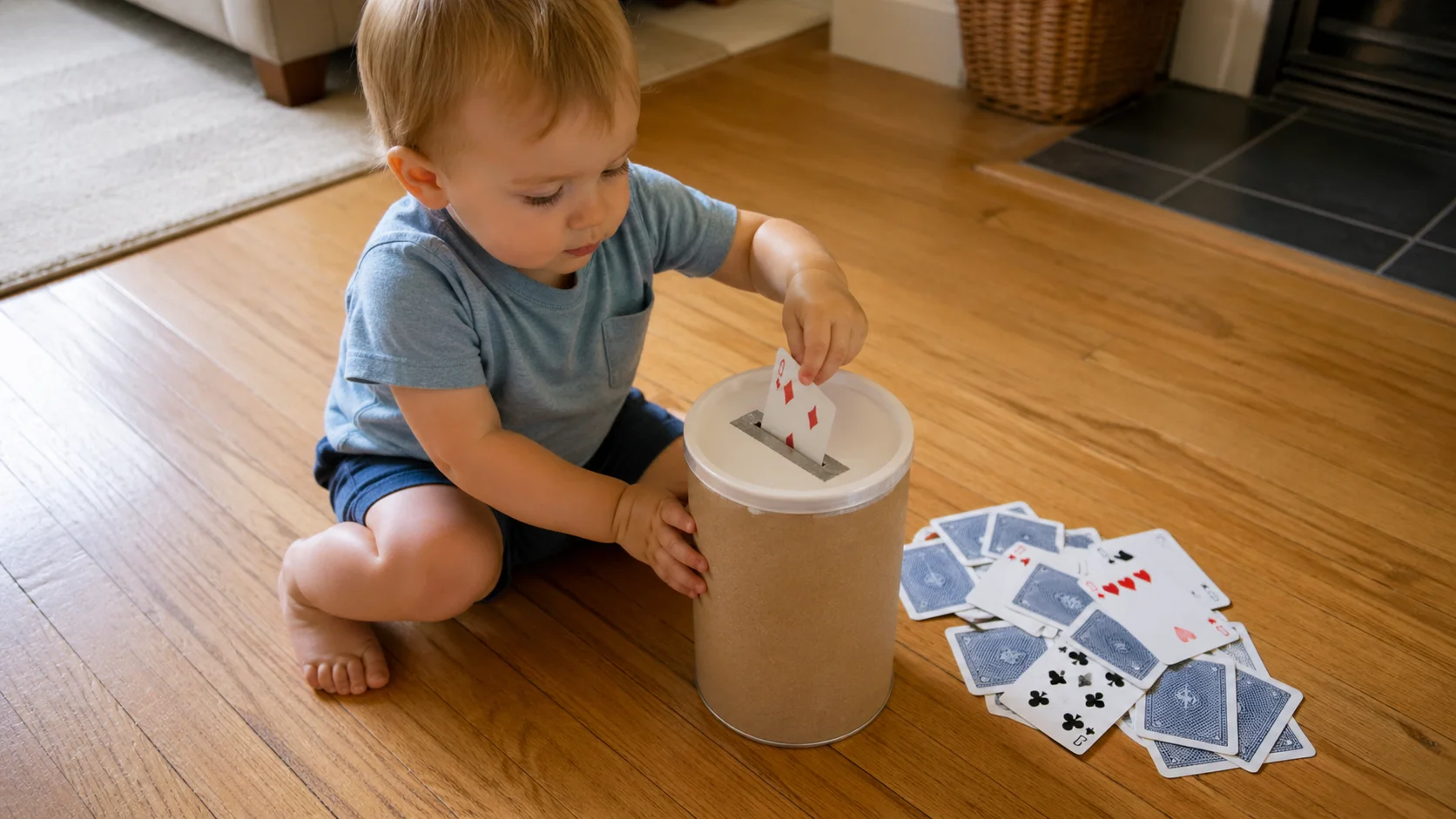
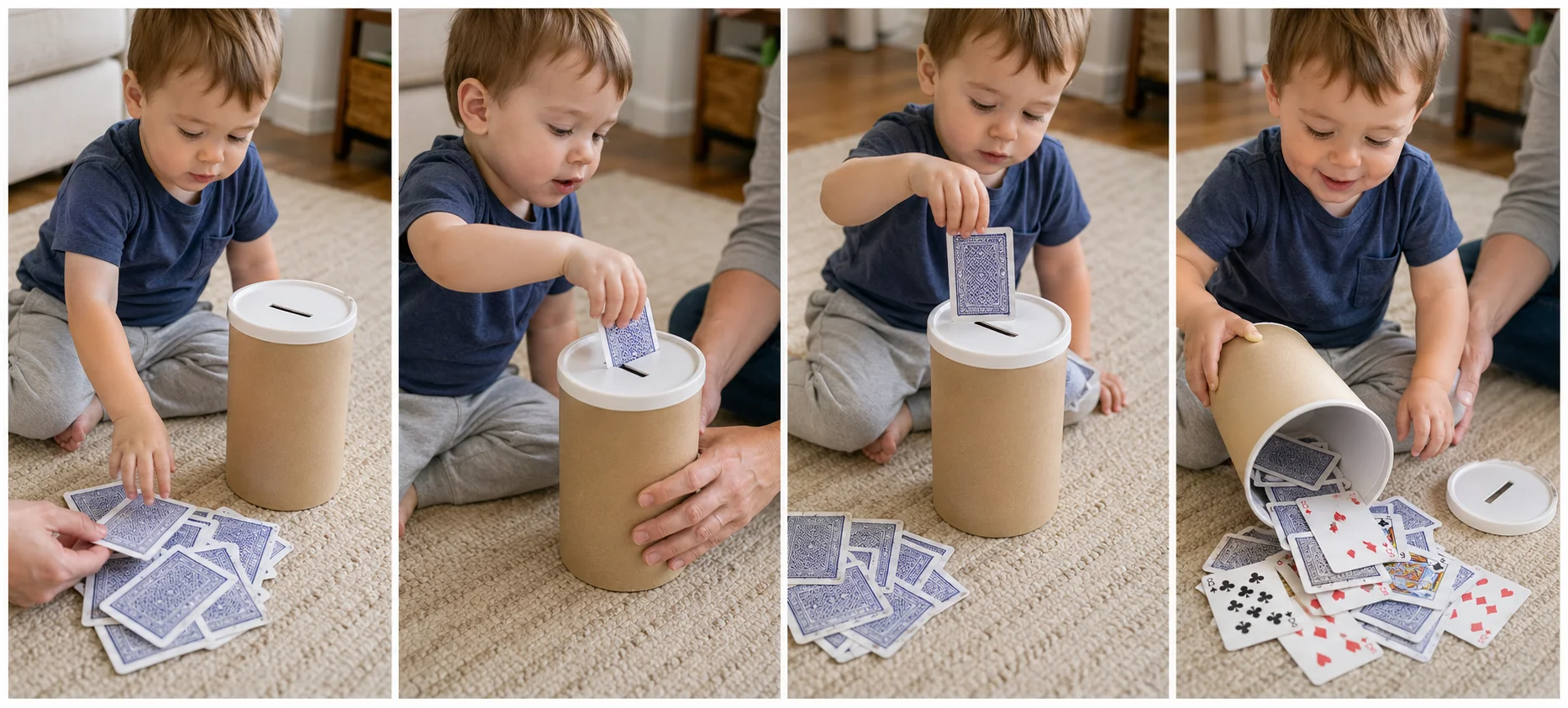
Turn a lidded container and a deck of cards into a posting game toddlers can repeat. Each card asks your child to turn, line up, and push before it drops inside, building hand-eye coordination and controlled hand movement.