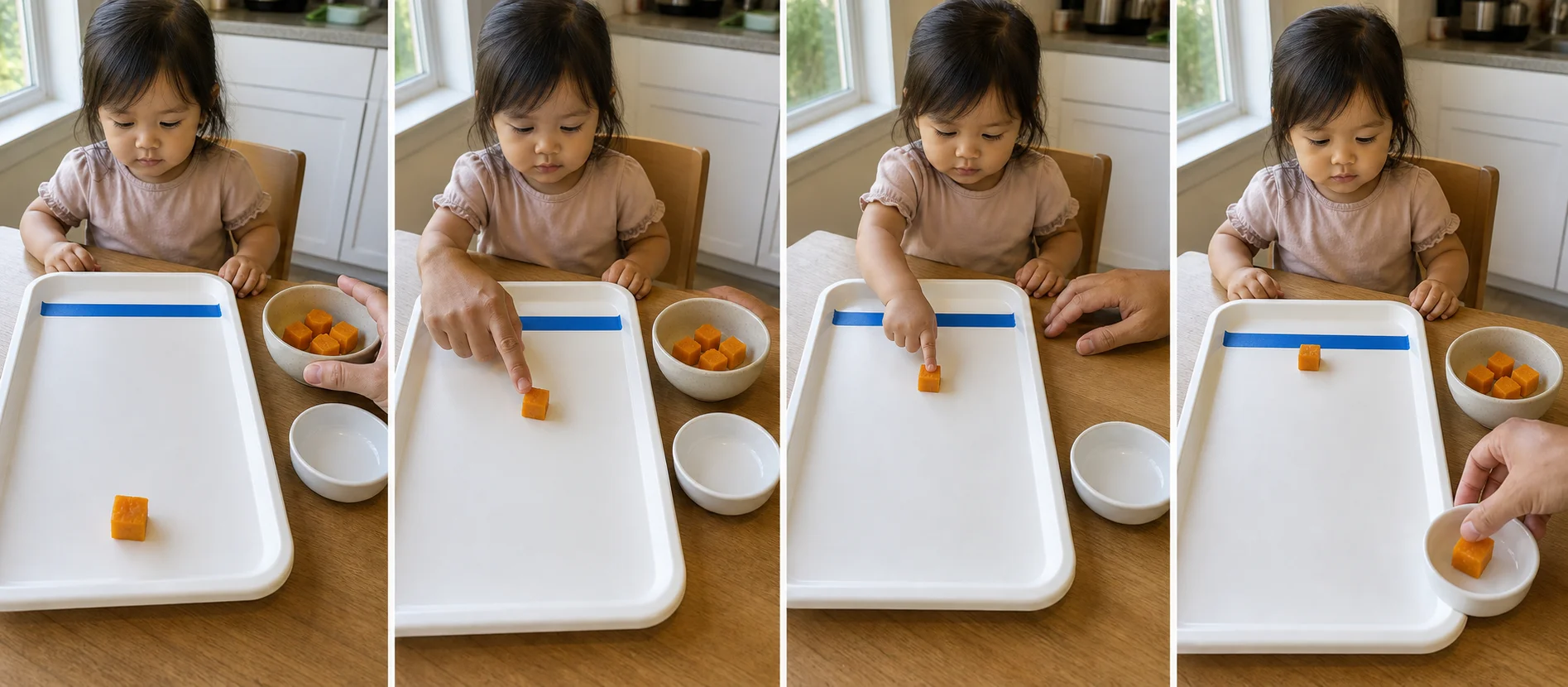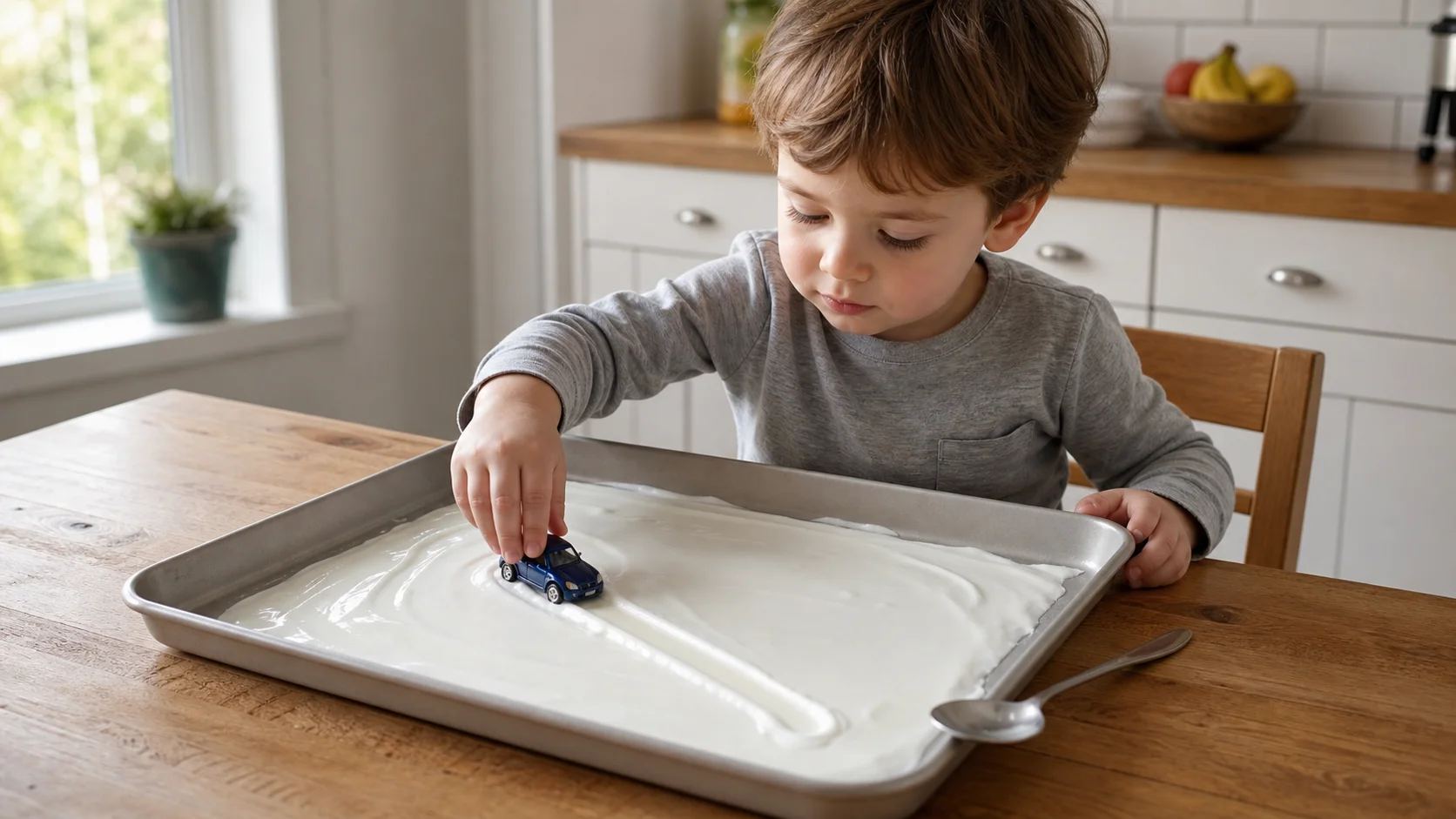

Yogurt Track Lines
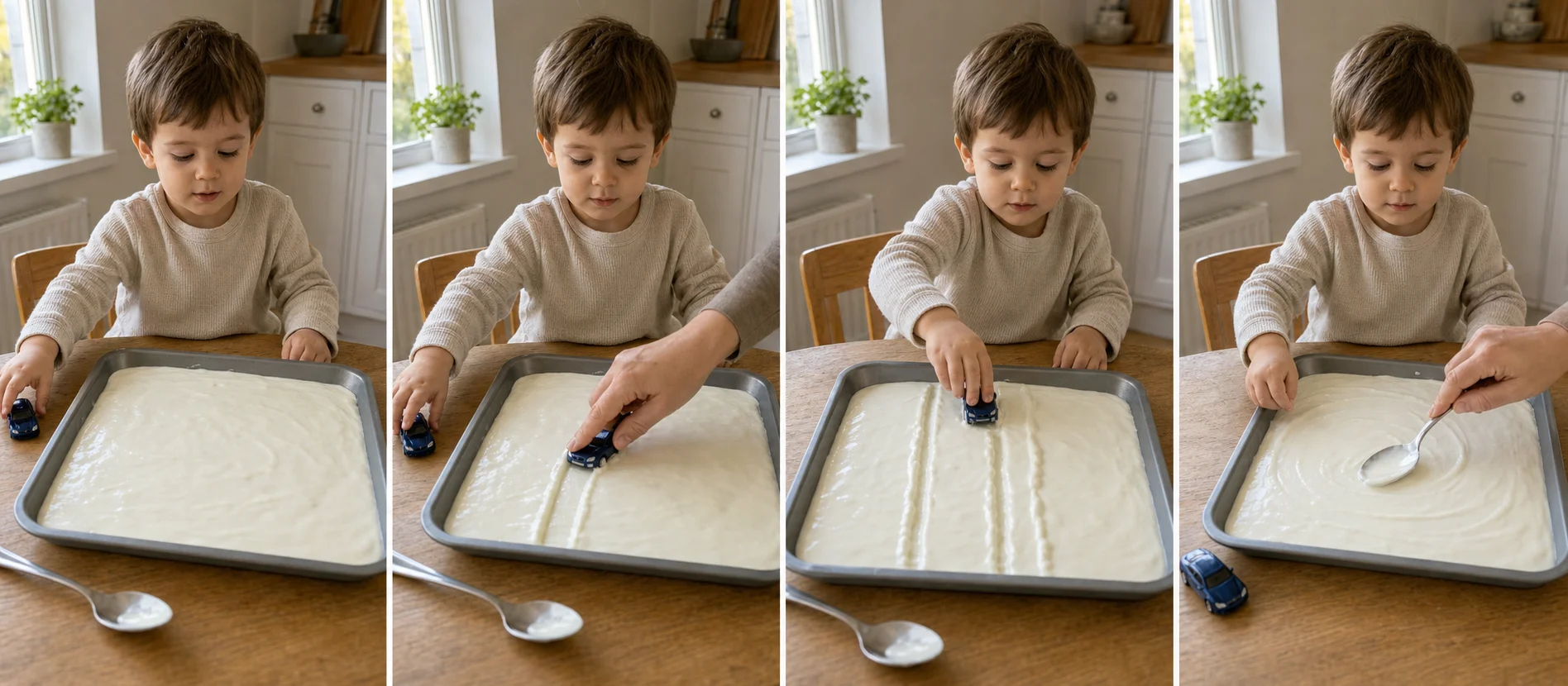
Turn a spoonful of yogurt into a track-making game. Your child pushes a toy car or ball through it to make visible lines, exploring a wet texture without having to touch it directly.
Play ideas with flexible sensory input, lower overwhelm, and easy ways to adjust texture, sound, movement, or mess. These activities are selected to help parents offer play without pushing a child into uncomfortable input.

Turn a spoonful of yogurt into a track-making game. Your child pushes a toy car or ball through it to make visible lines, exploring a wet texture without having to touch it directly.


Tadpole Fish Rescue is a sensory food play activity for kids ages 2 to 7 that helps children fill, empty, and reset through a clear, repeatable play loop.


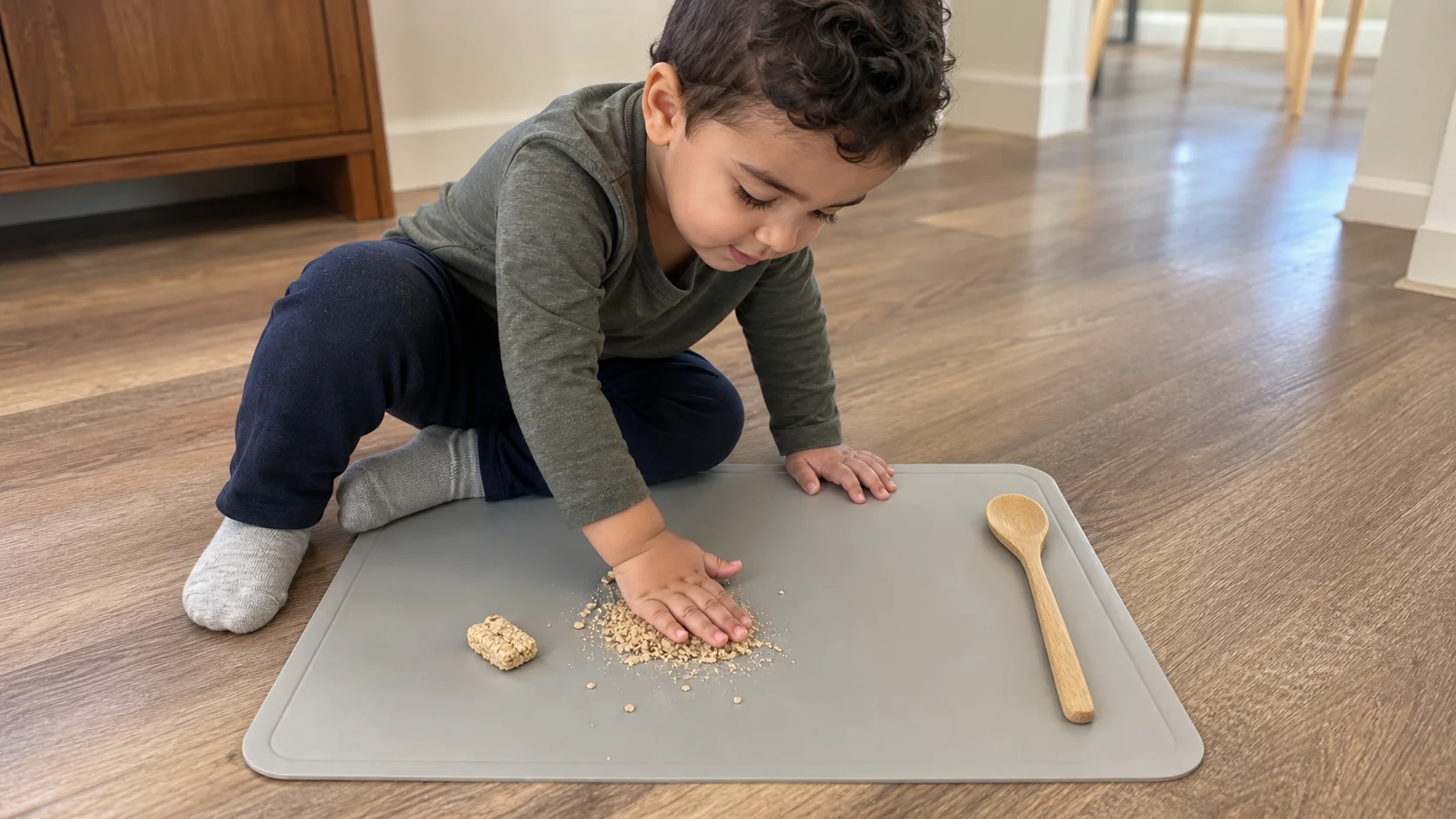
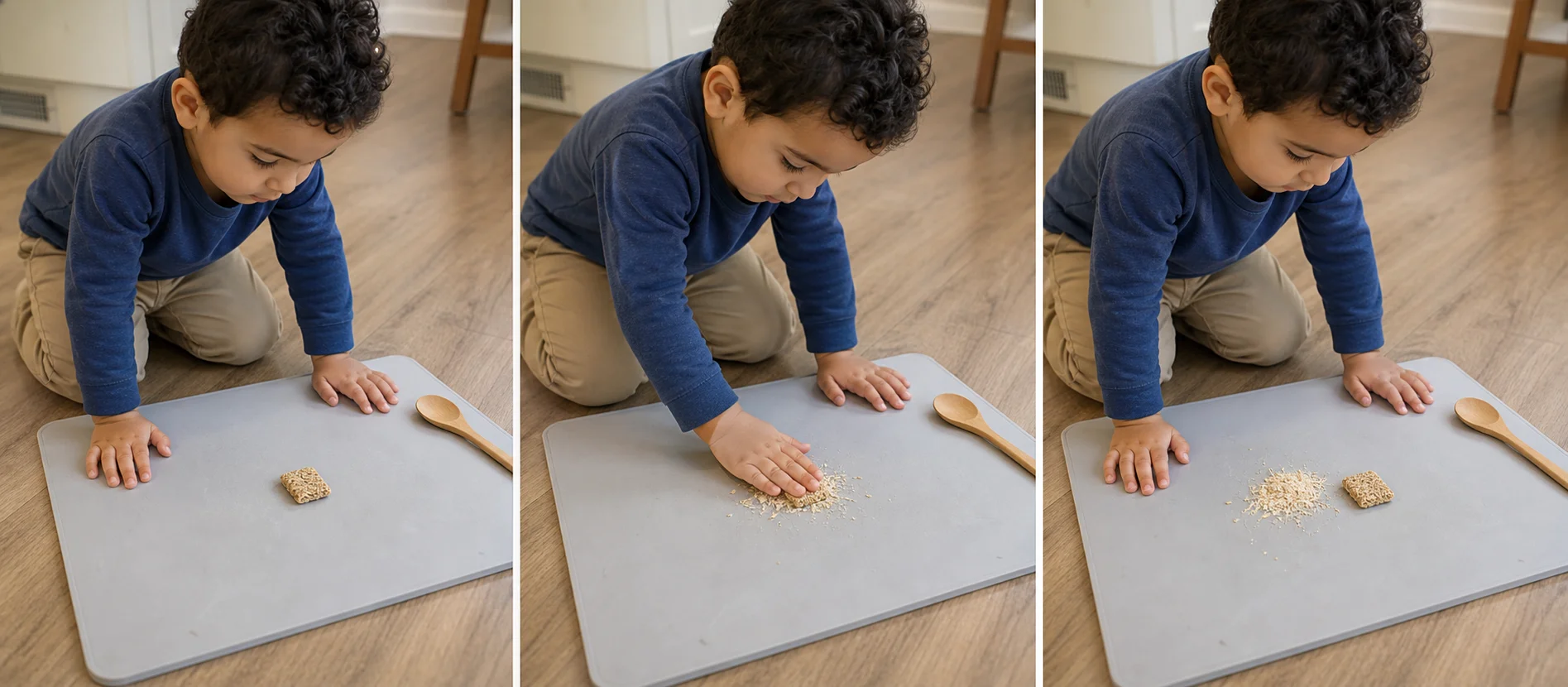
Ready for messy play without the wet, sticky mess? Let your child press, pinch, and crush dry cereal into crumbs for a satisfying sensory game that builds steady hand pressure and comfort with dry textures.


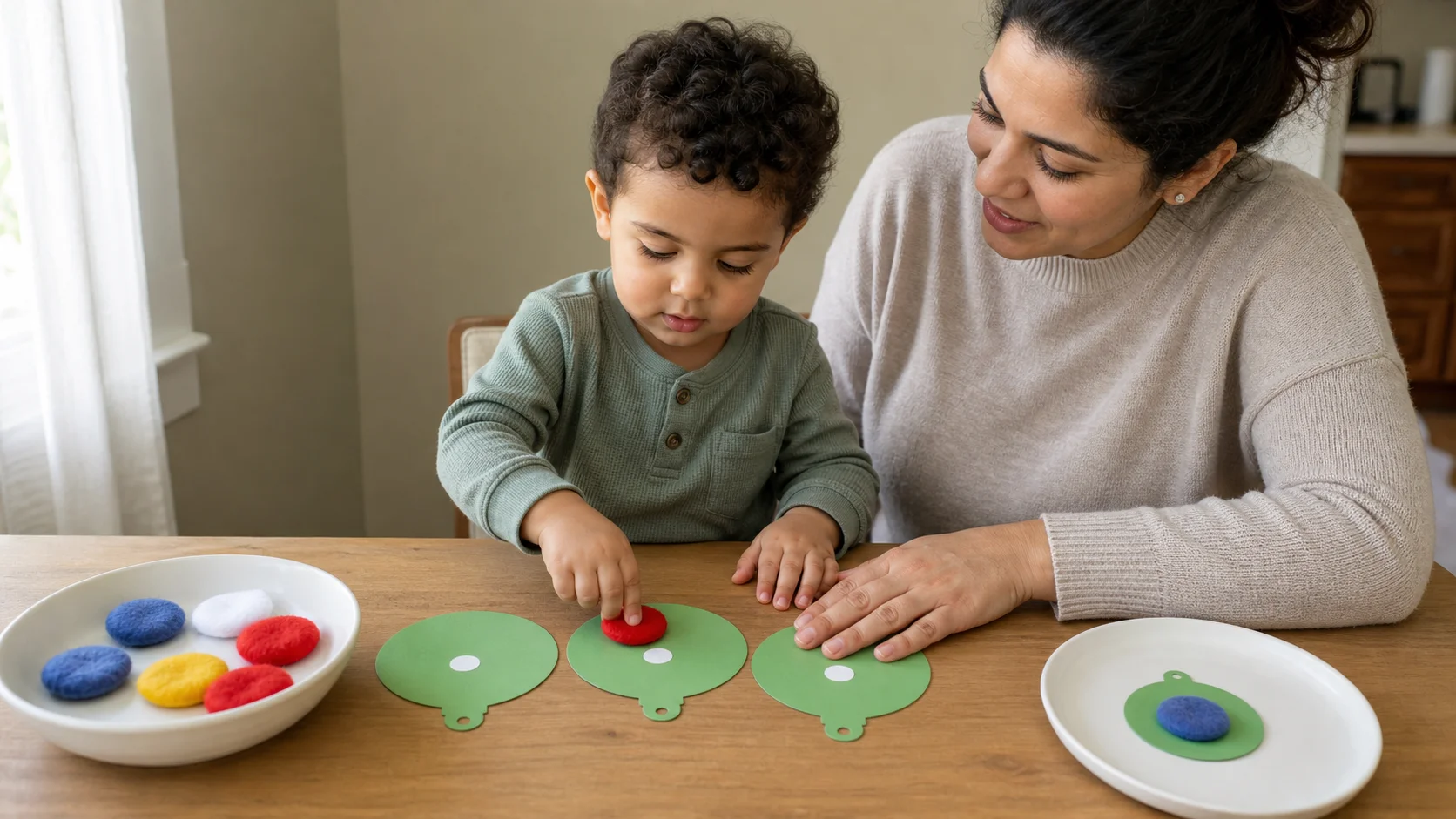
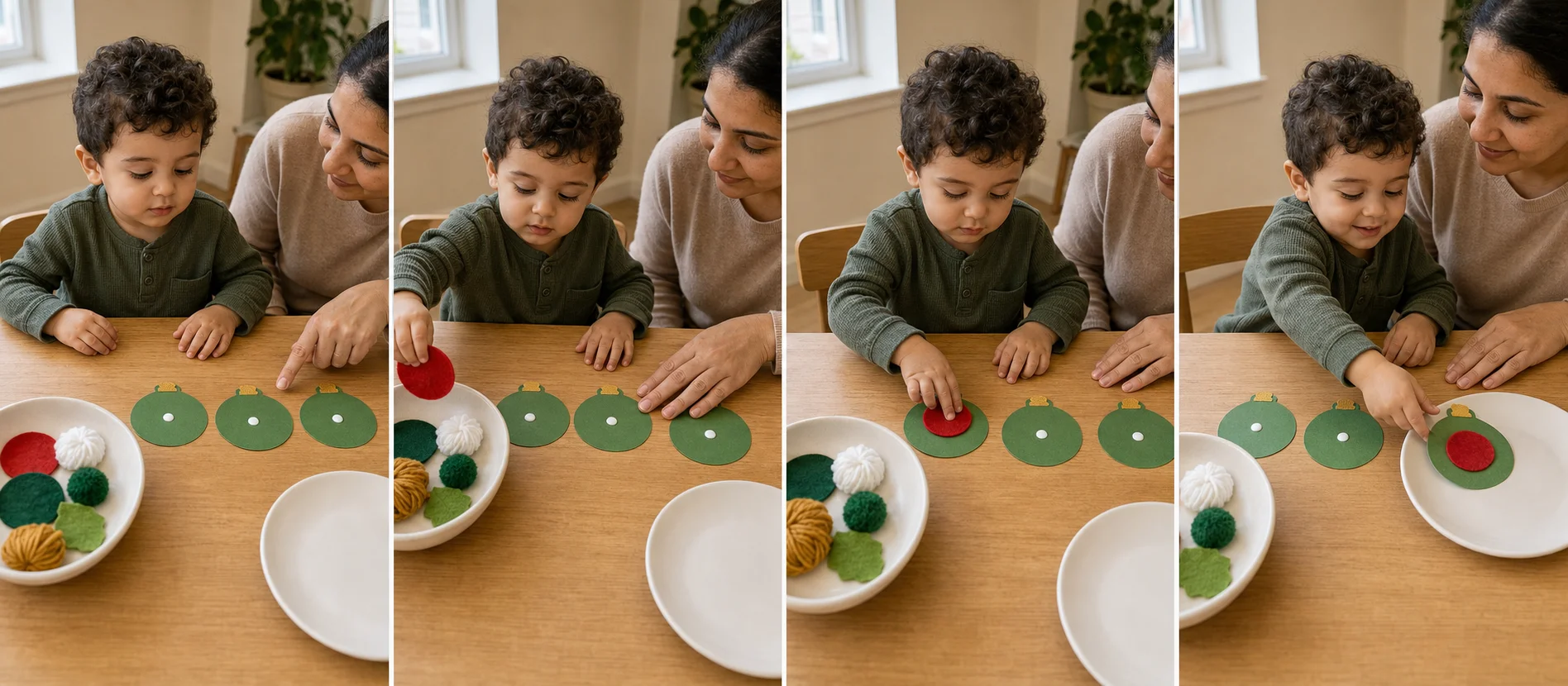
Turn ornament decorating into a calm, glitter-free craft your child can finish one piece at a time. They choose a soft felt, foam, or yarn piece, press it onto a paper ornament, and slide their creation to the finished spot, building fine-motor control without a busy craft table.


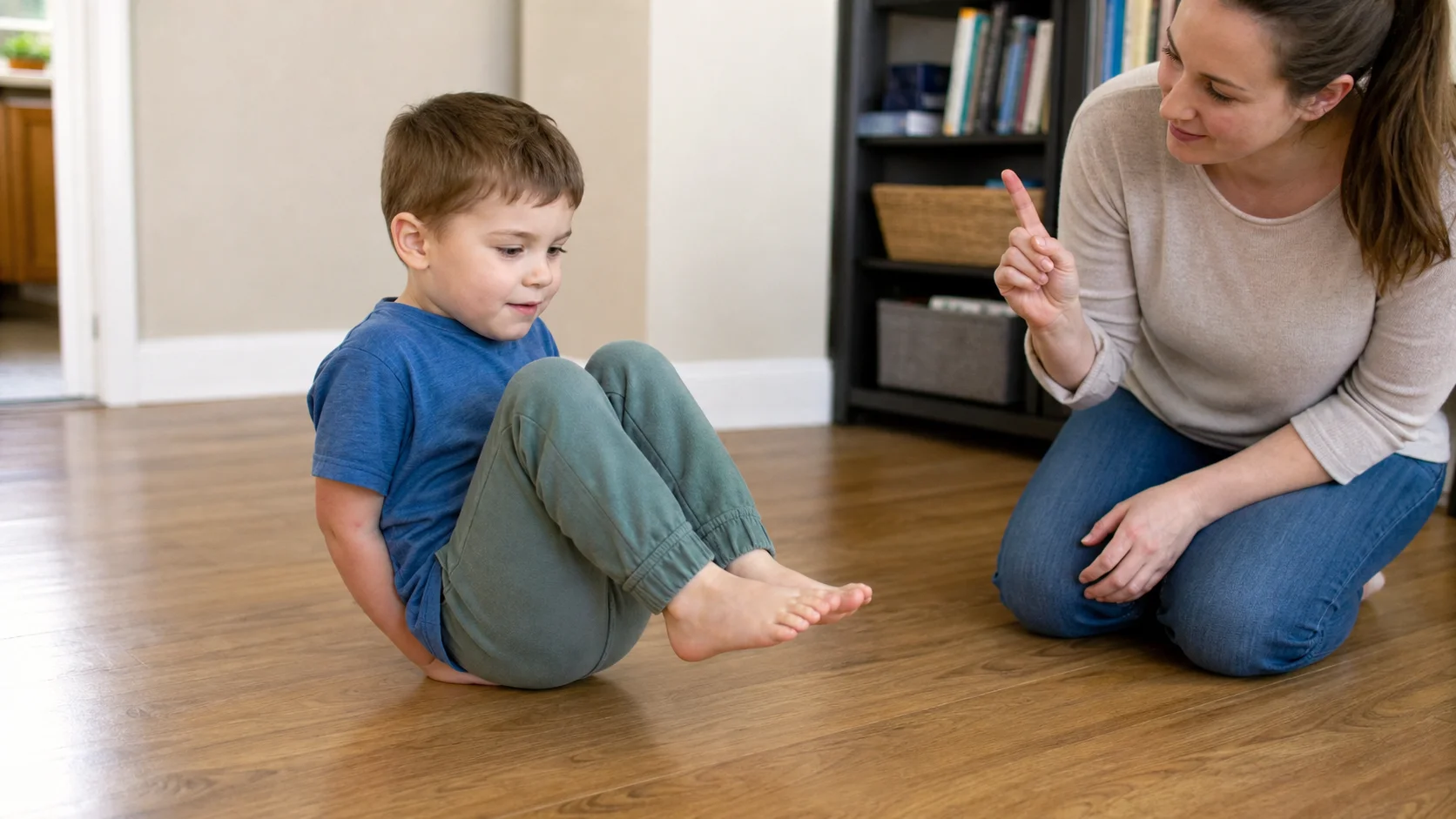
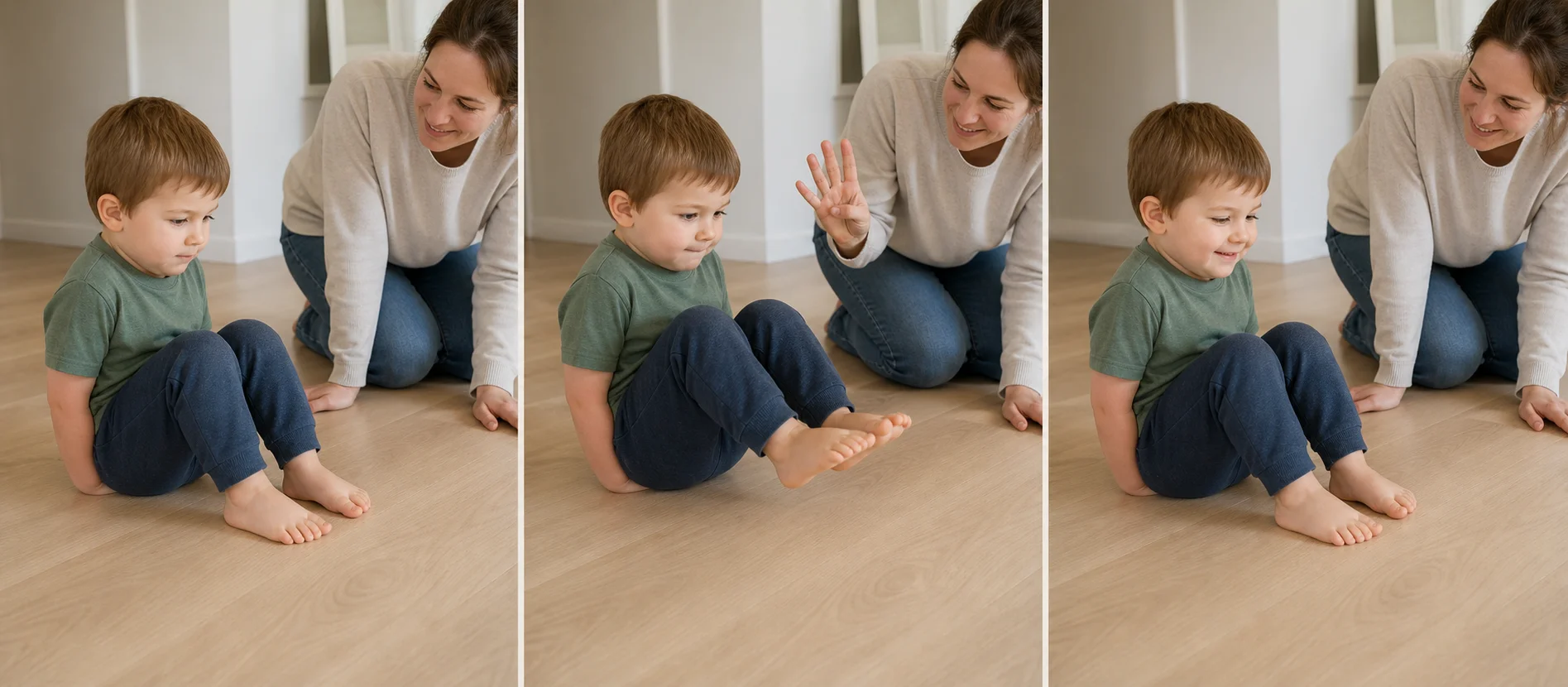
Can your child turn their body into a tiny rocket with no props at all? They sit on their hands, squeeze tight, lift both feet for a short count, then relax, building body awareness and seated balance.


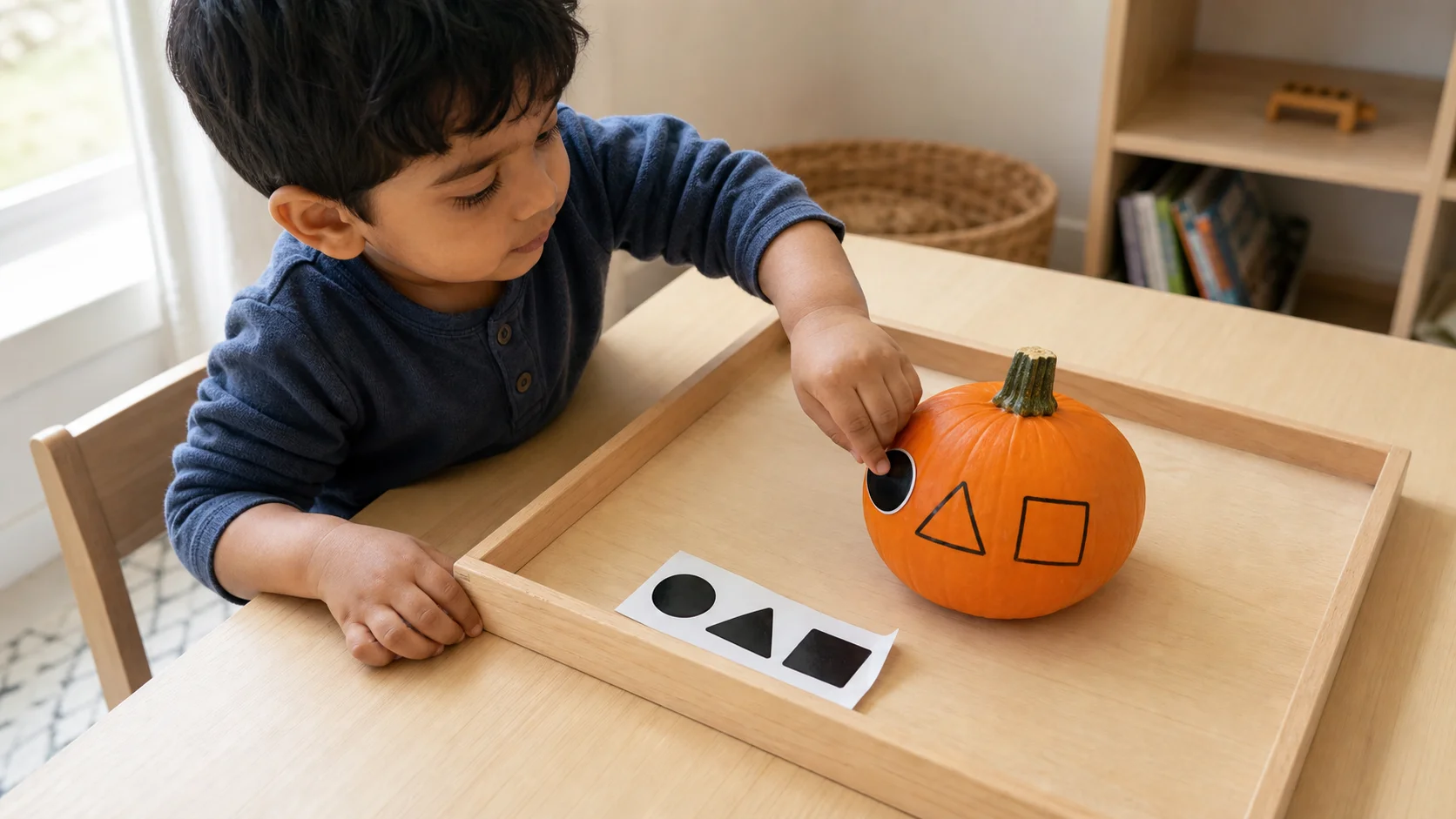
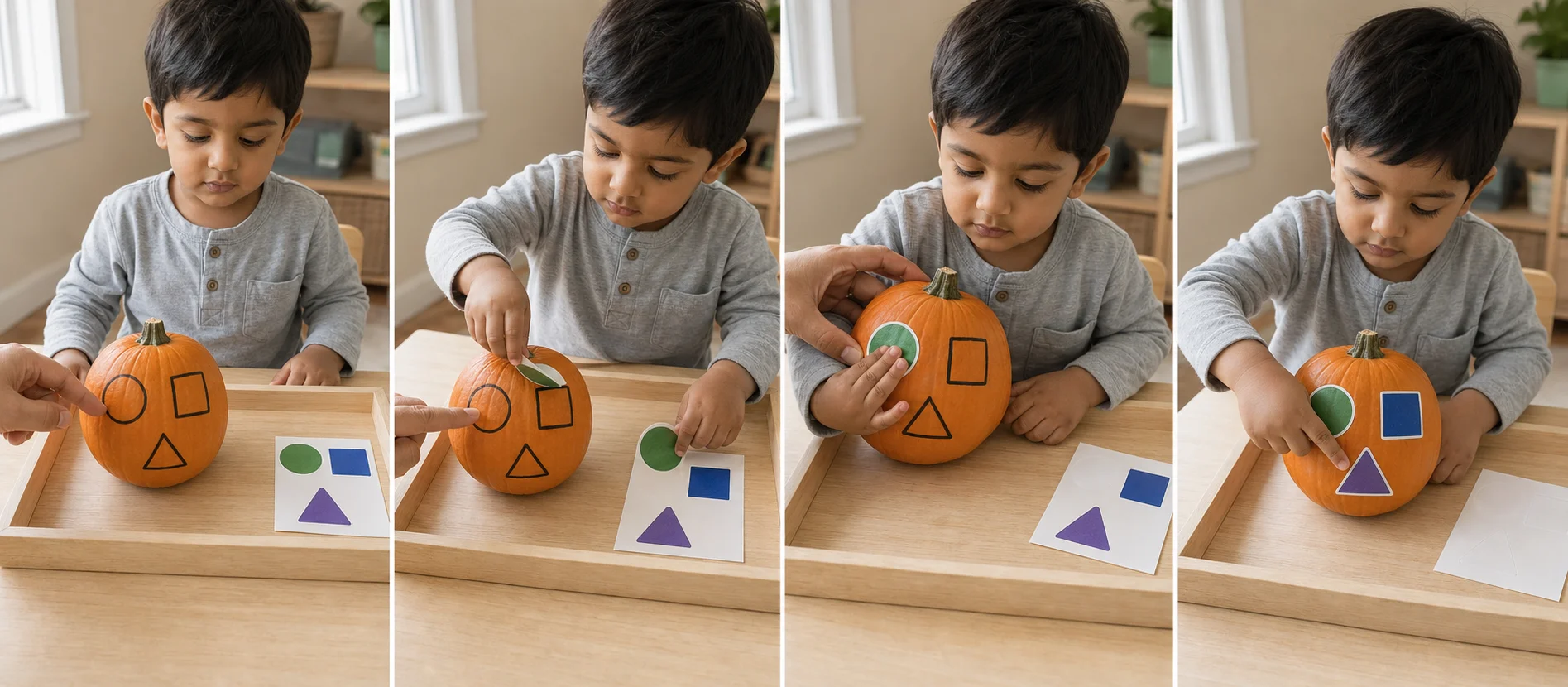
Skip the goo and turn pumpkin decorating into a calm shape-matching game. Draw three simple shapes on a pumpkin, then have your child find, peel, and press the matching stickers for low-mess fine-motor practice.


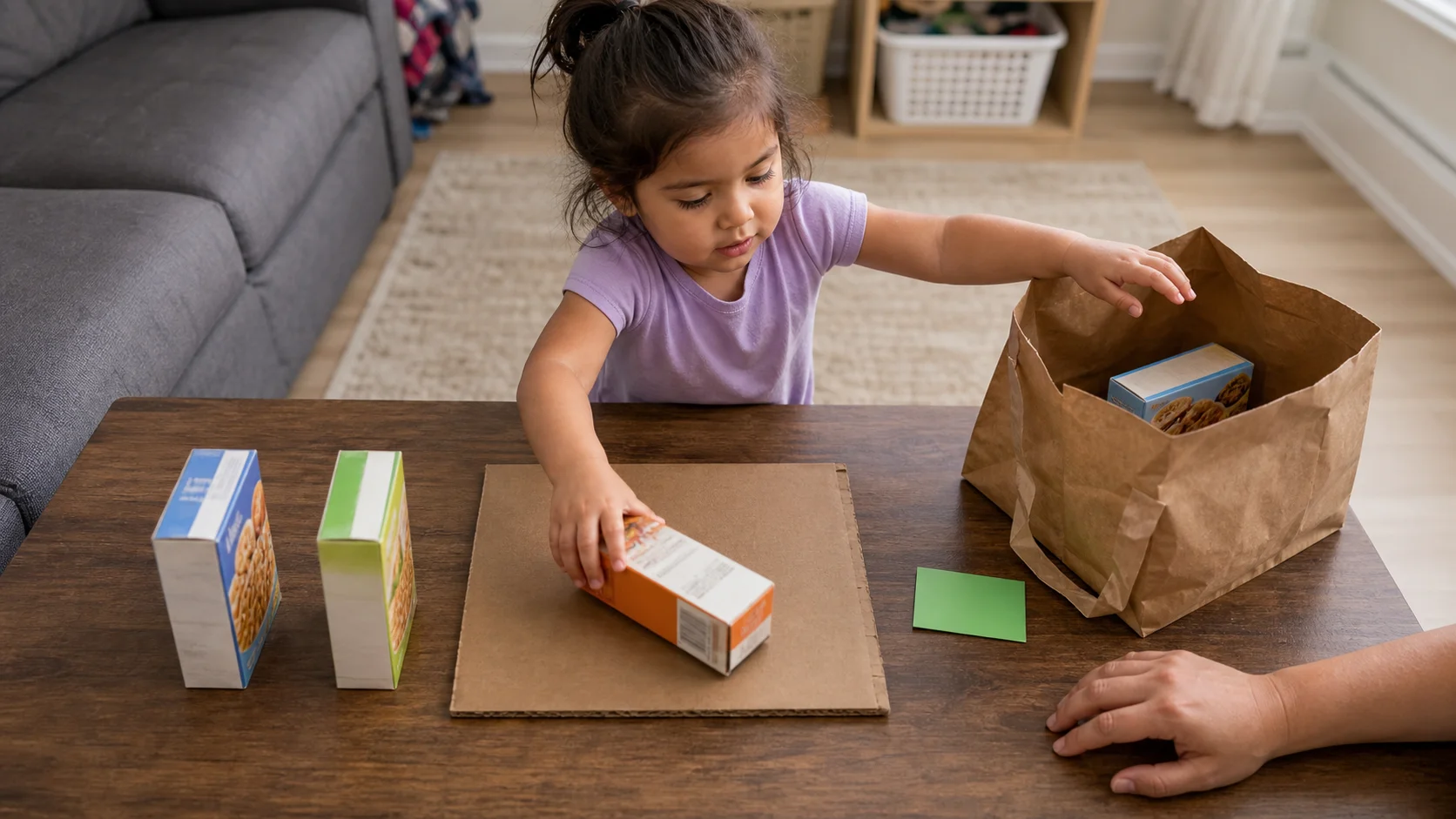
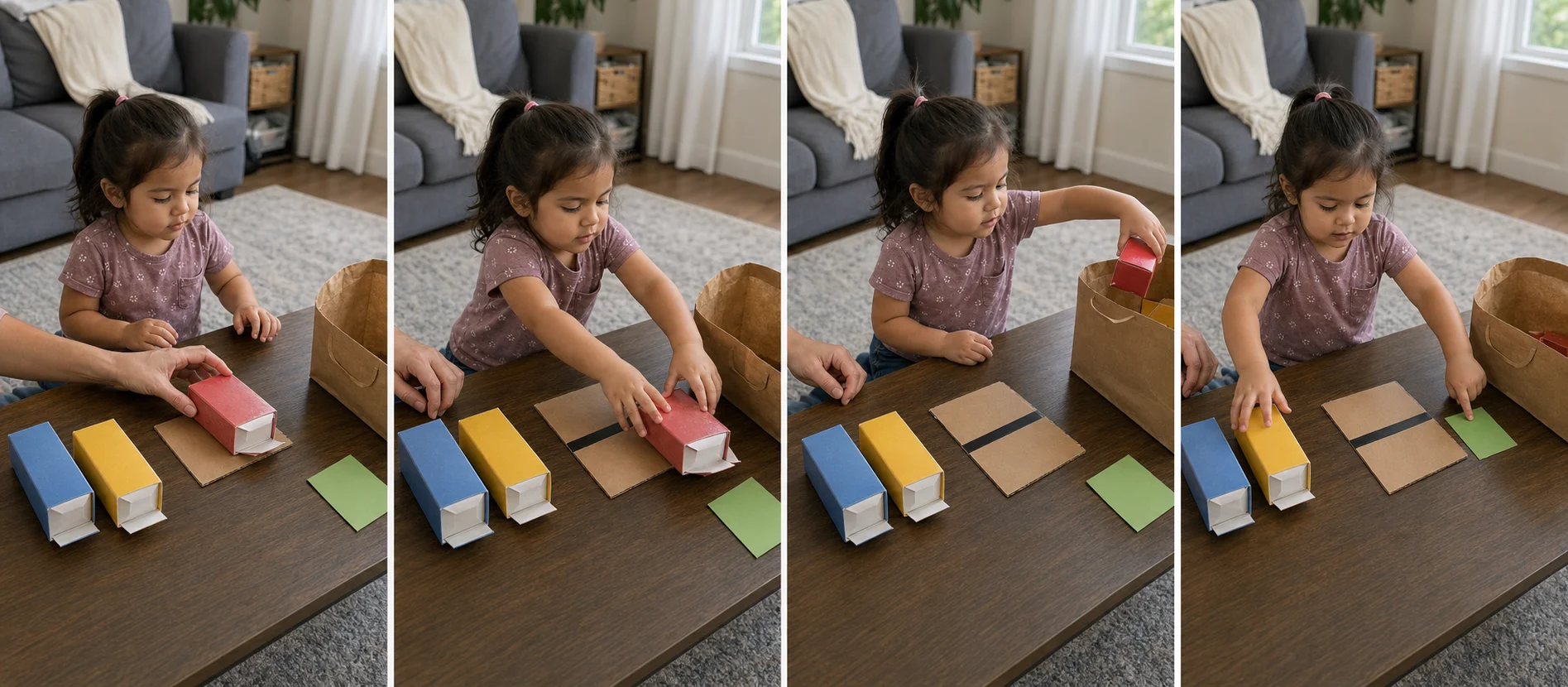
Bring the grocery checkout home with a simple scan, bag, and done routine. Your child slides each box across a pretend scanner, drops it into a bag, and marks the turn complete while practicing a familiar sequence from start to finish.


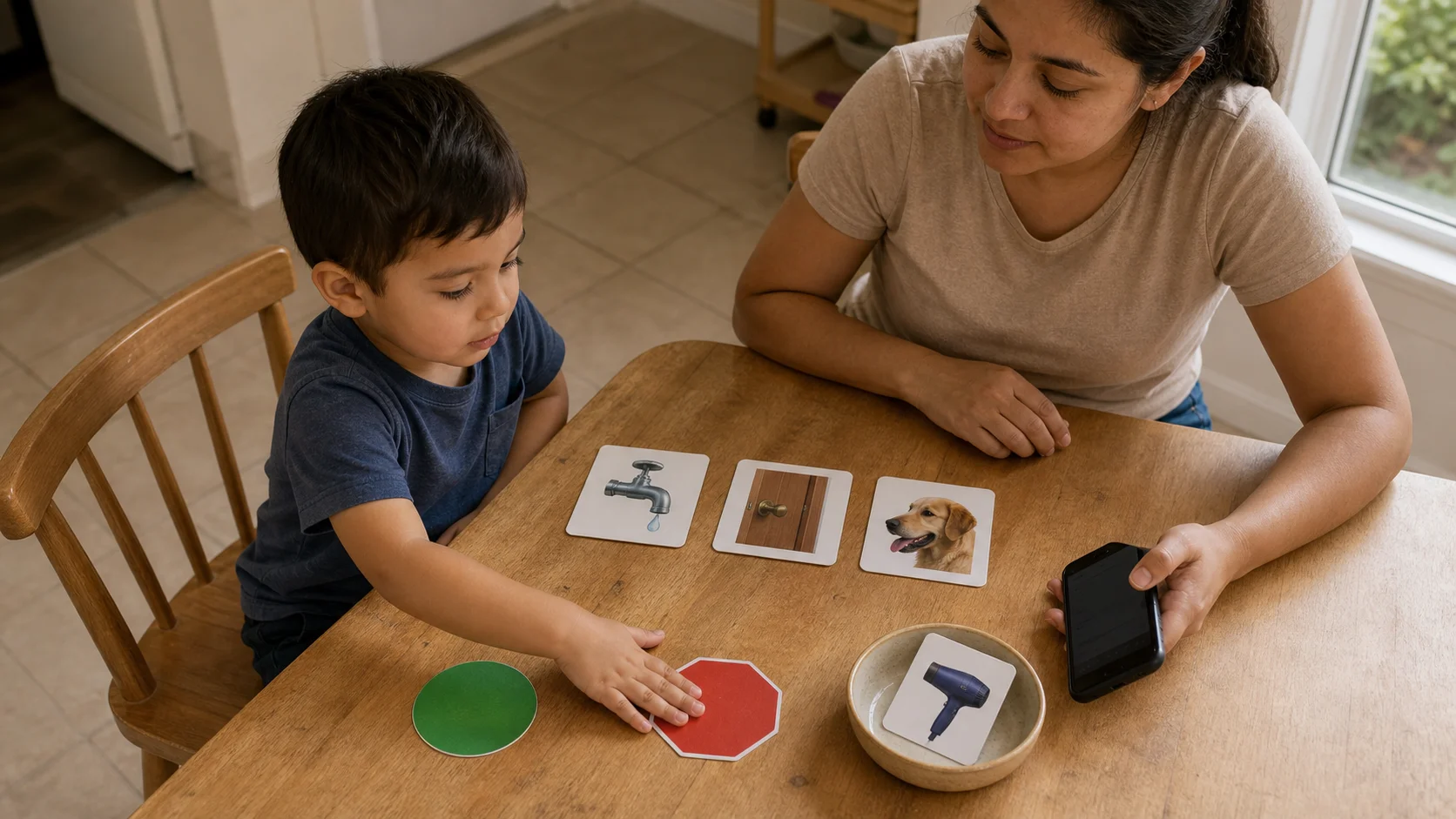
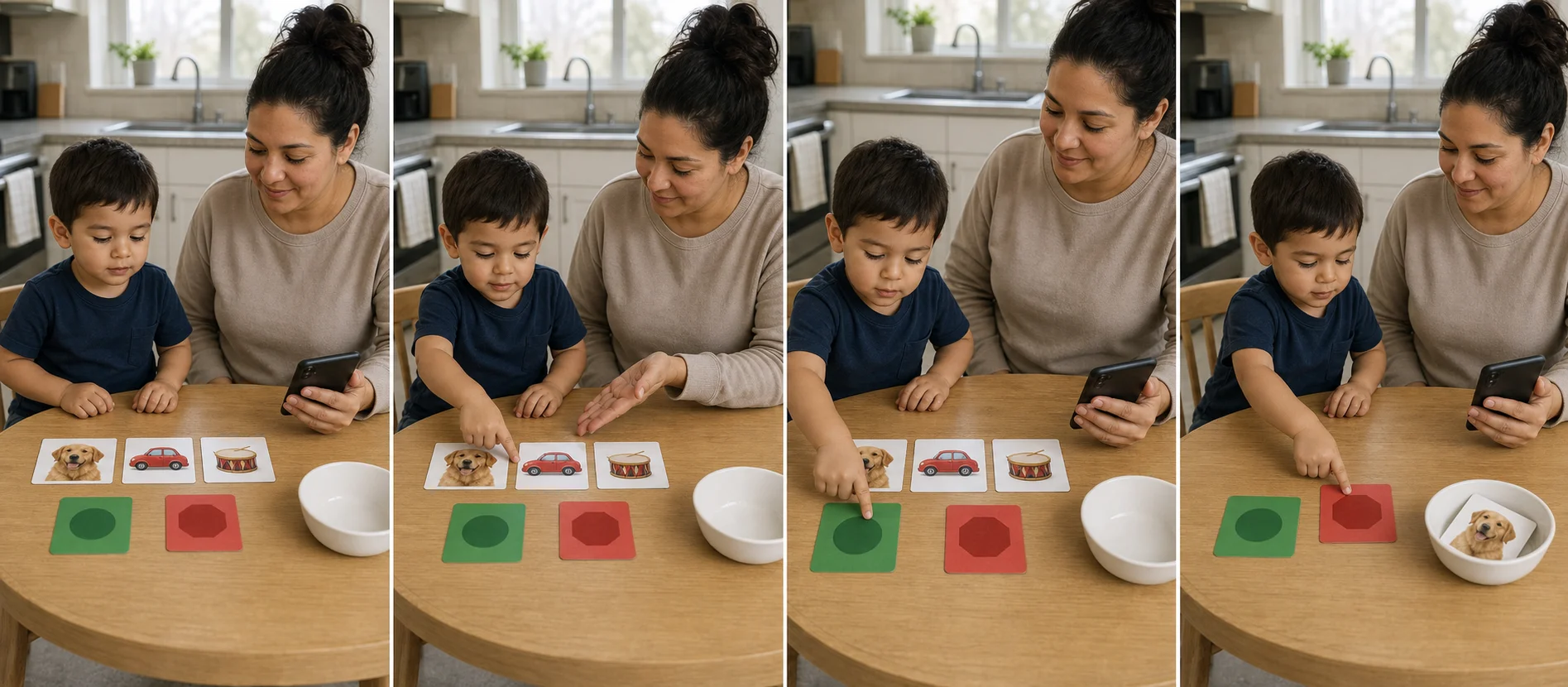
Let your child decide when a sound starts and when it stops. They choose a picture, tap GO to hear its matching clip, then tap STOP when they have heard enough, making listening practice predictable and child-controlled.


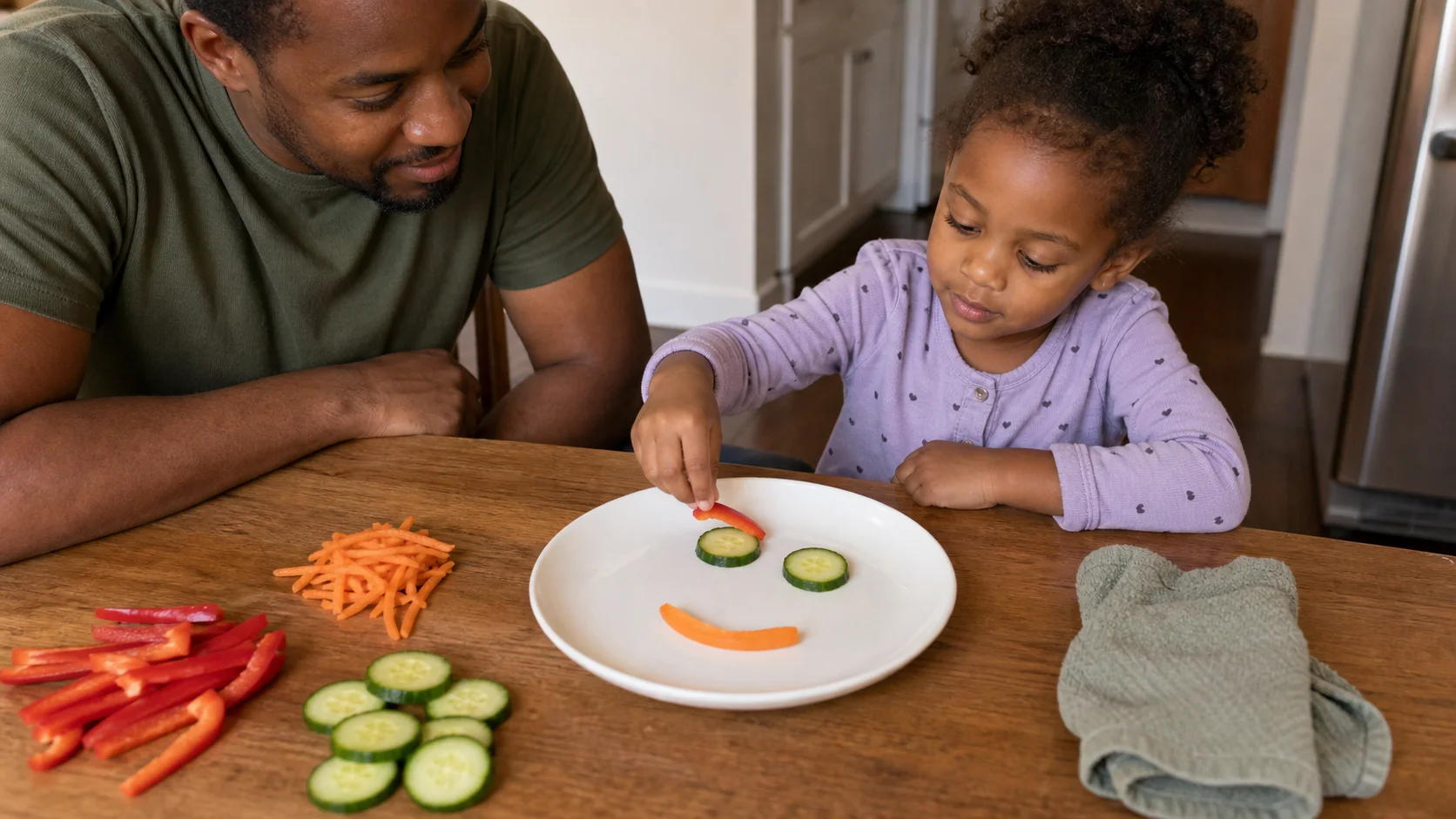
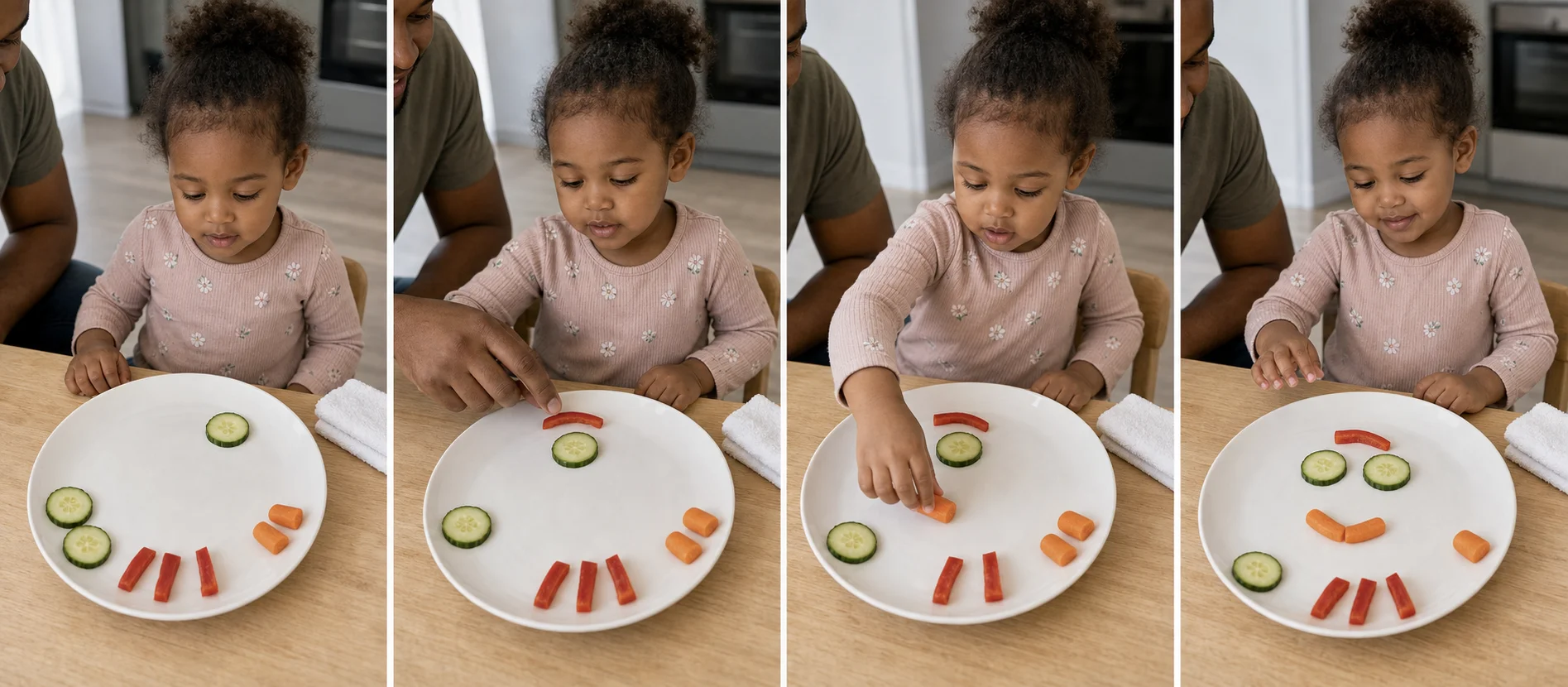
Turn a few vegetable pieces into a silly face with no pressure to take a bite. Your child builds cucumber eyes, carrot smiles, and pepper eyebrows while exploring food and practicing precise placement.


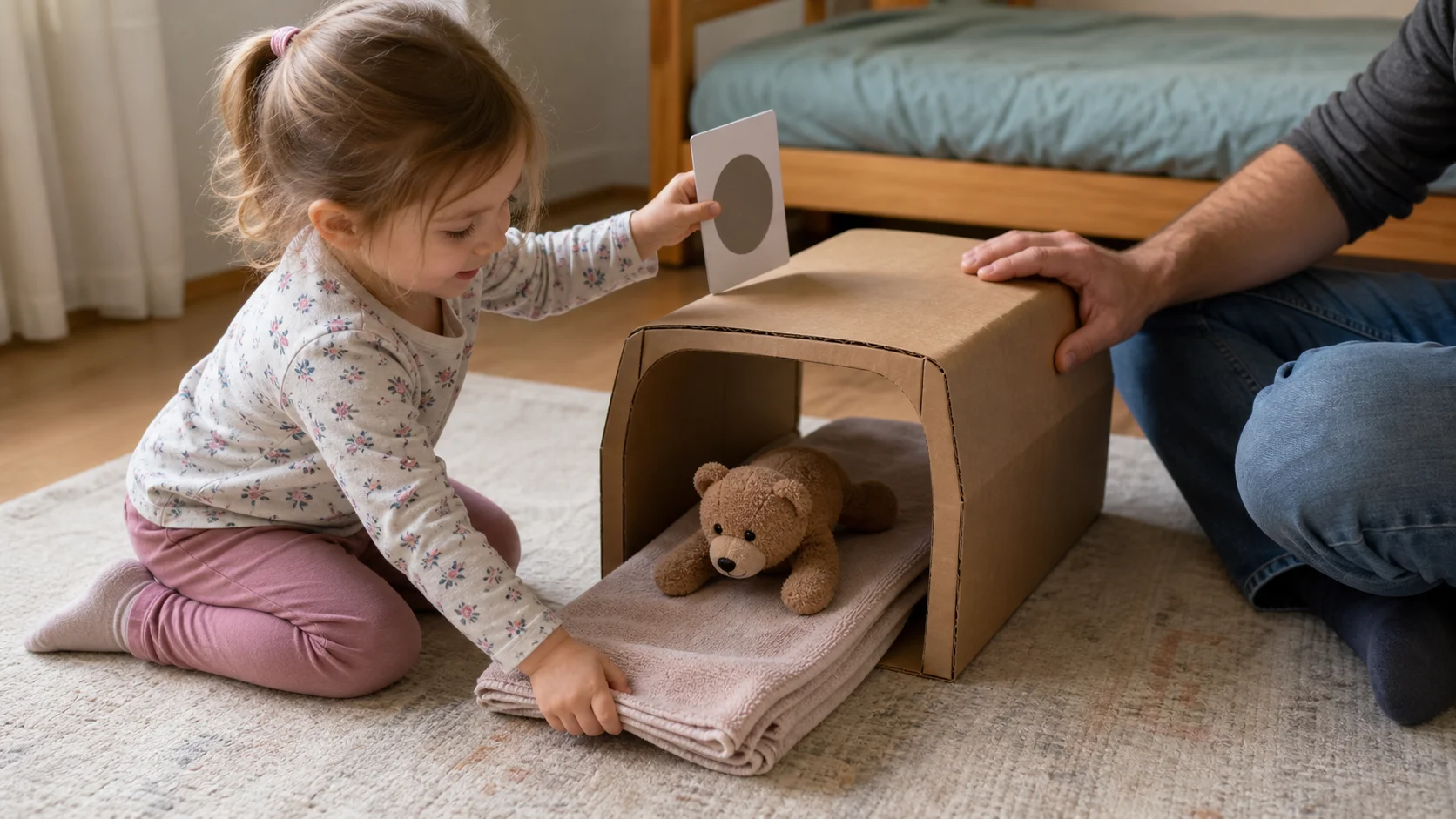
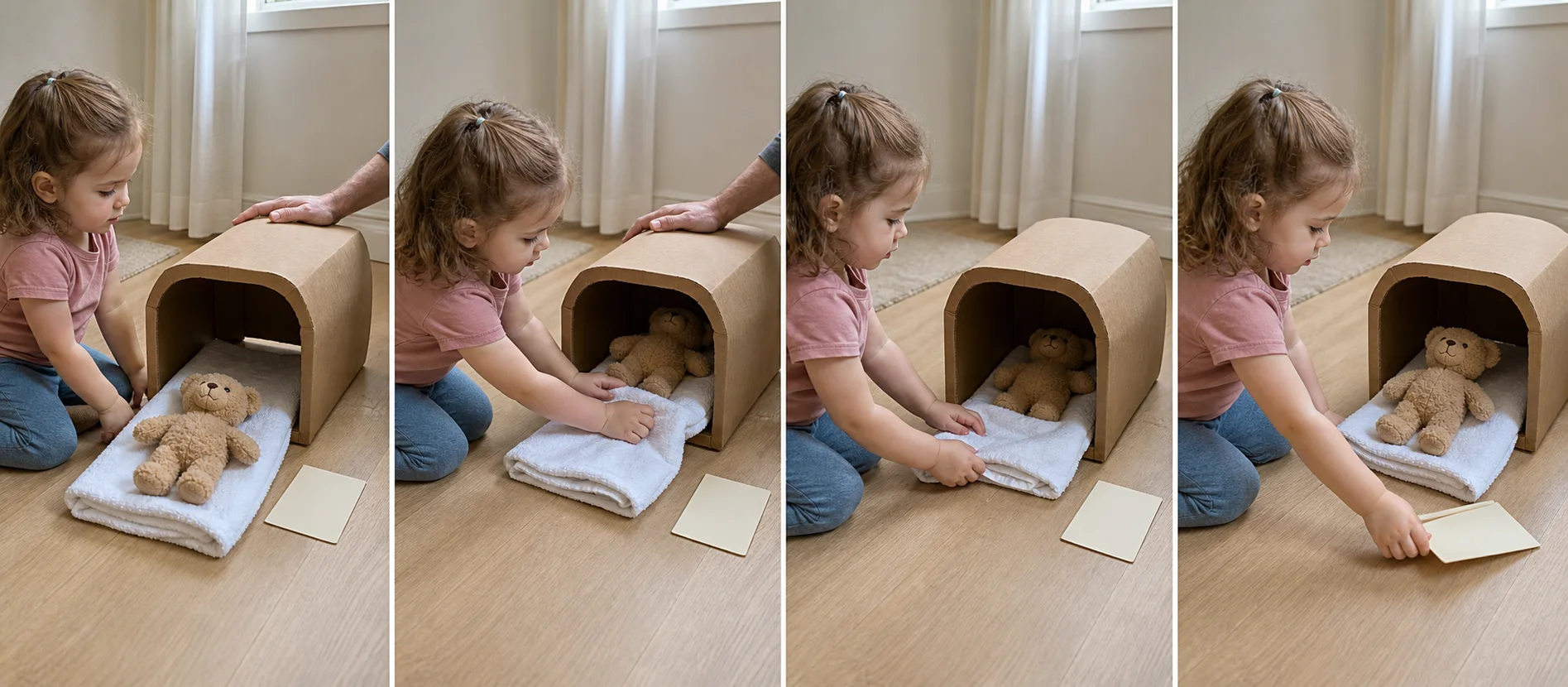
A teddy-first pretend MRI turns one short still count into a calm practice loop before the real scan.


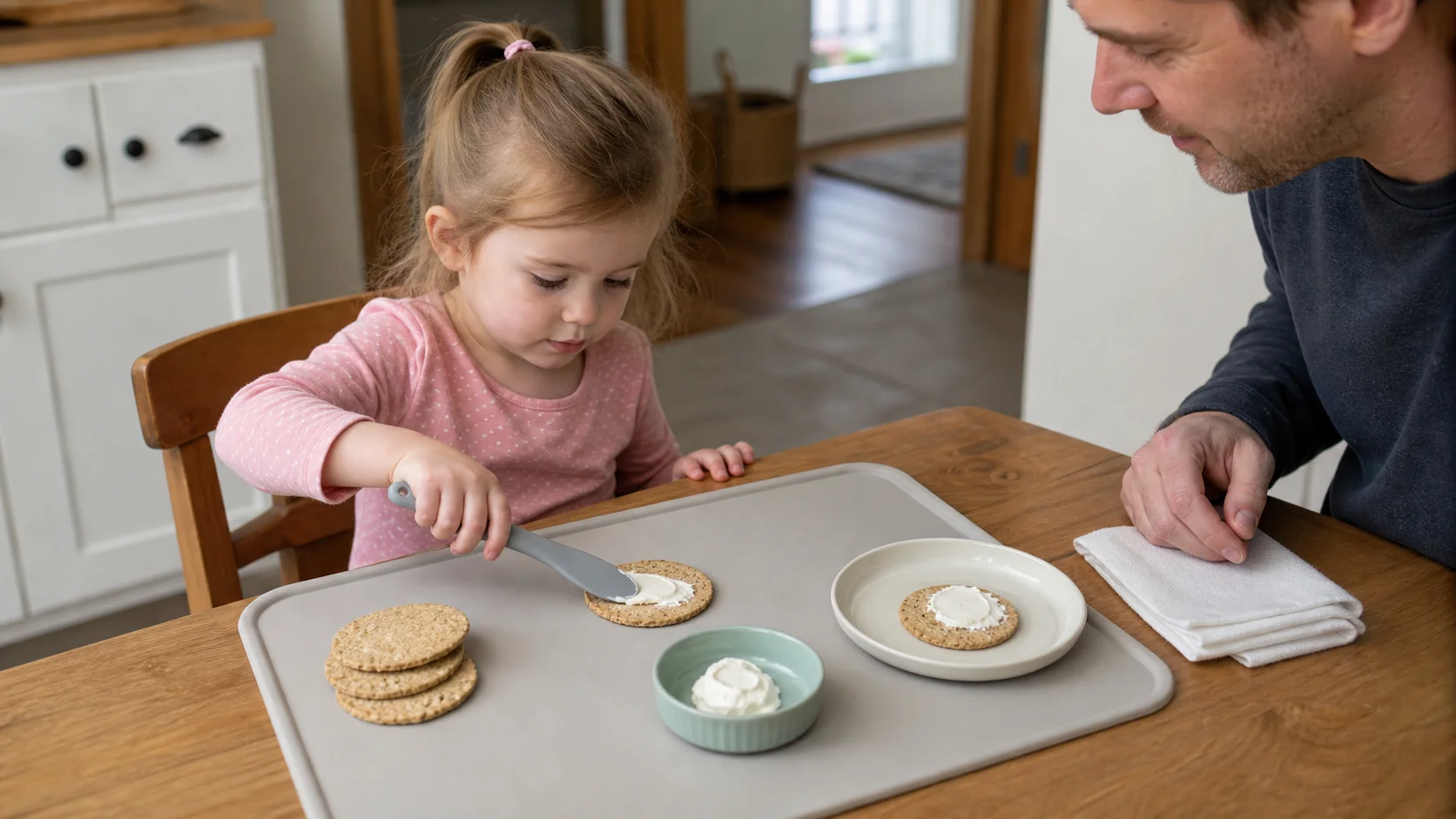
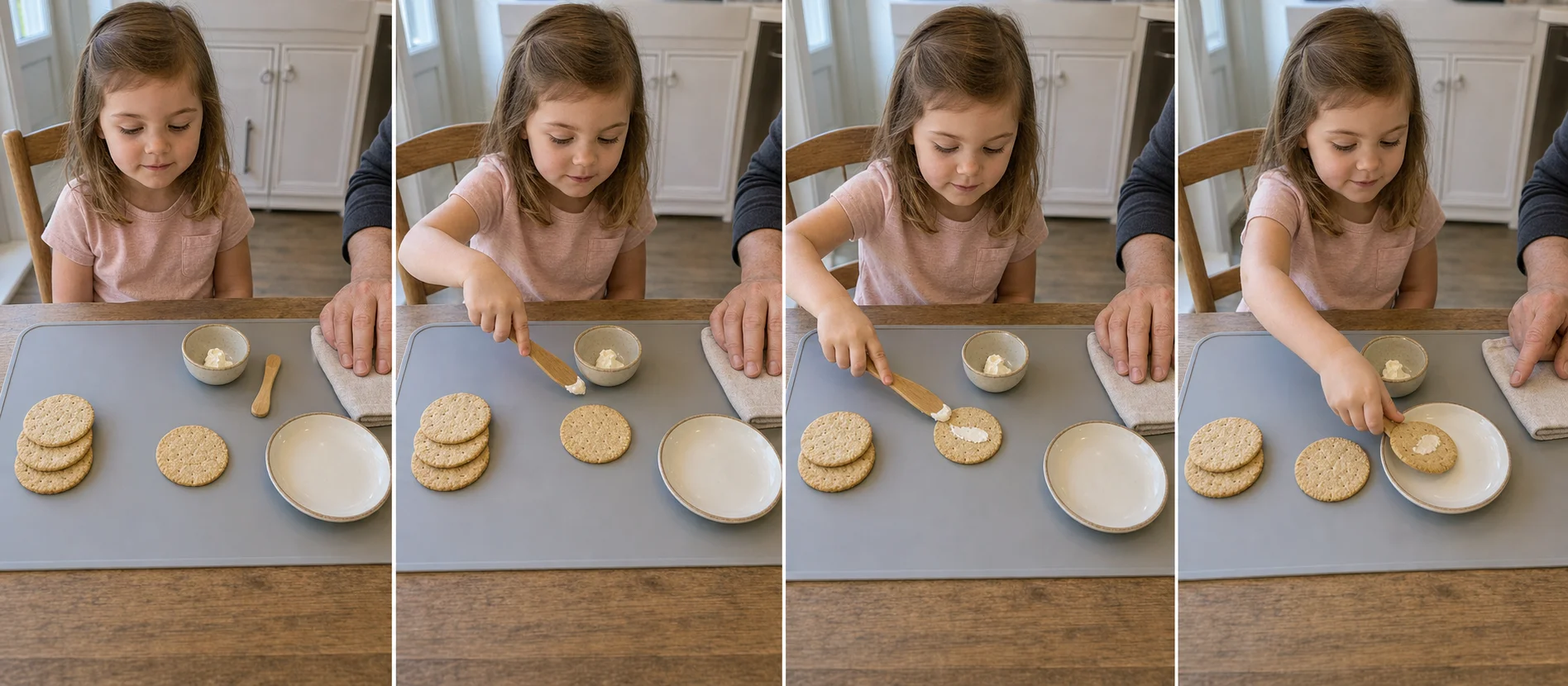
Take the pressure out of sticky food play with one cracker and one small swipe. Your child uses a spoon or child-safe spreading tool to move cream cheese across the cracker, practicing hand control while exploring the texture at their own pace.


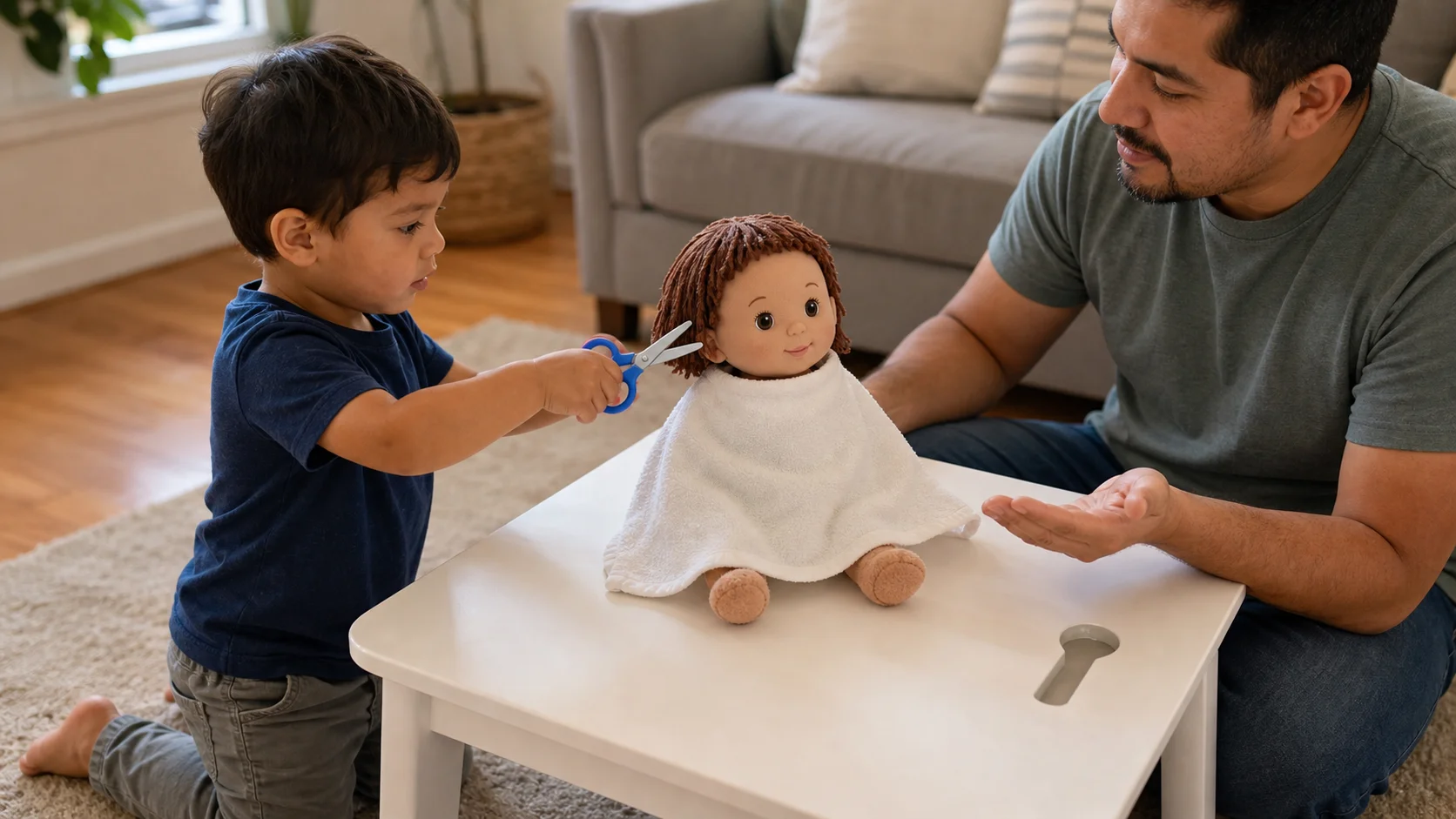
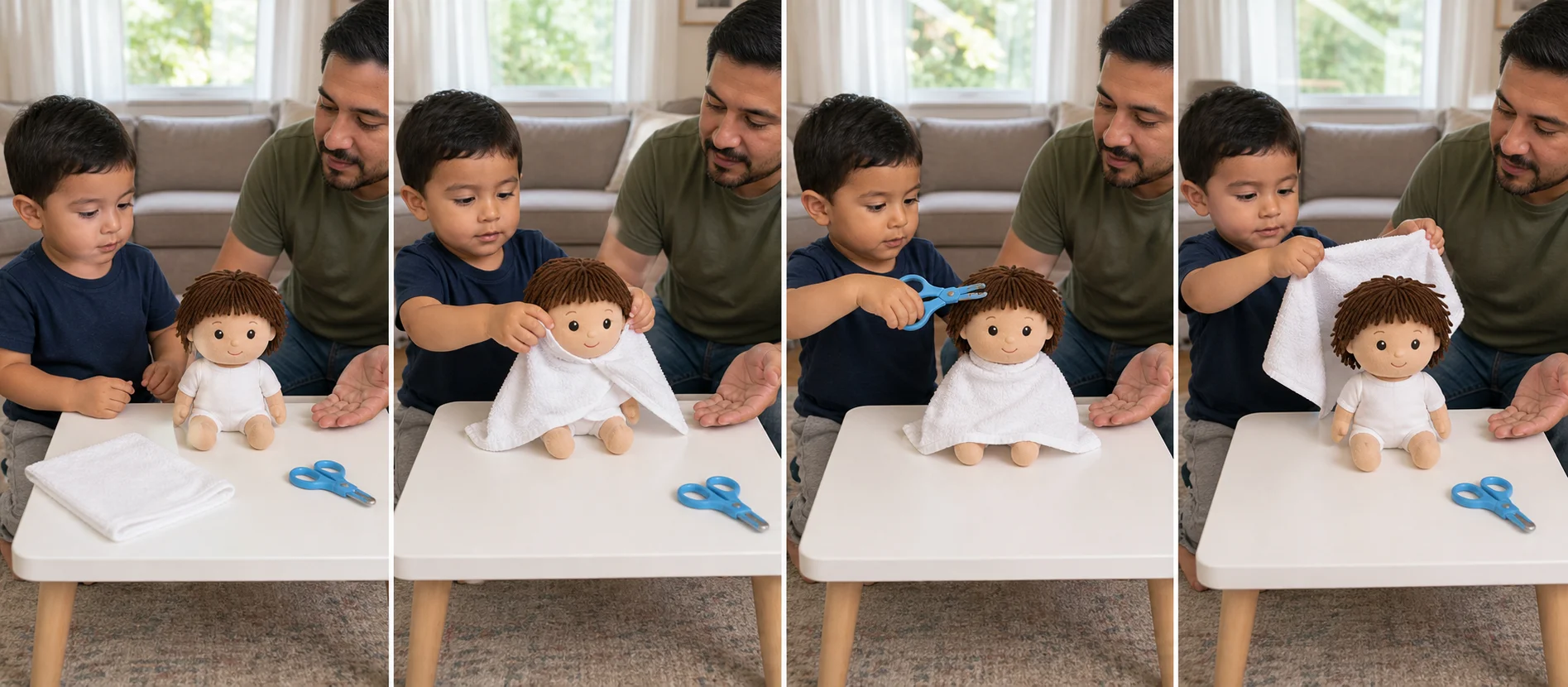
Make haircut steps feel more familiar with a quick doll-first rehearsal. Your child puts a washcloth cape on a doll, makes one pretend snip beside its head, and removes the cape to practice a clear start-to-finish routine.


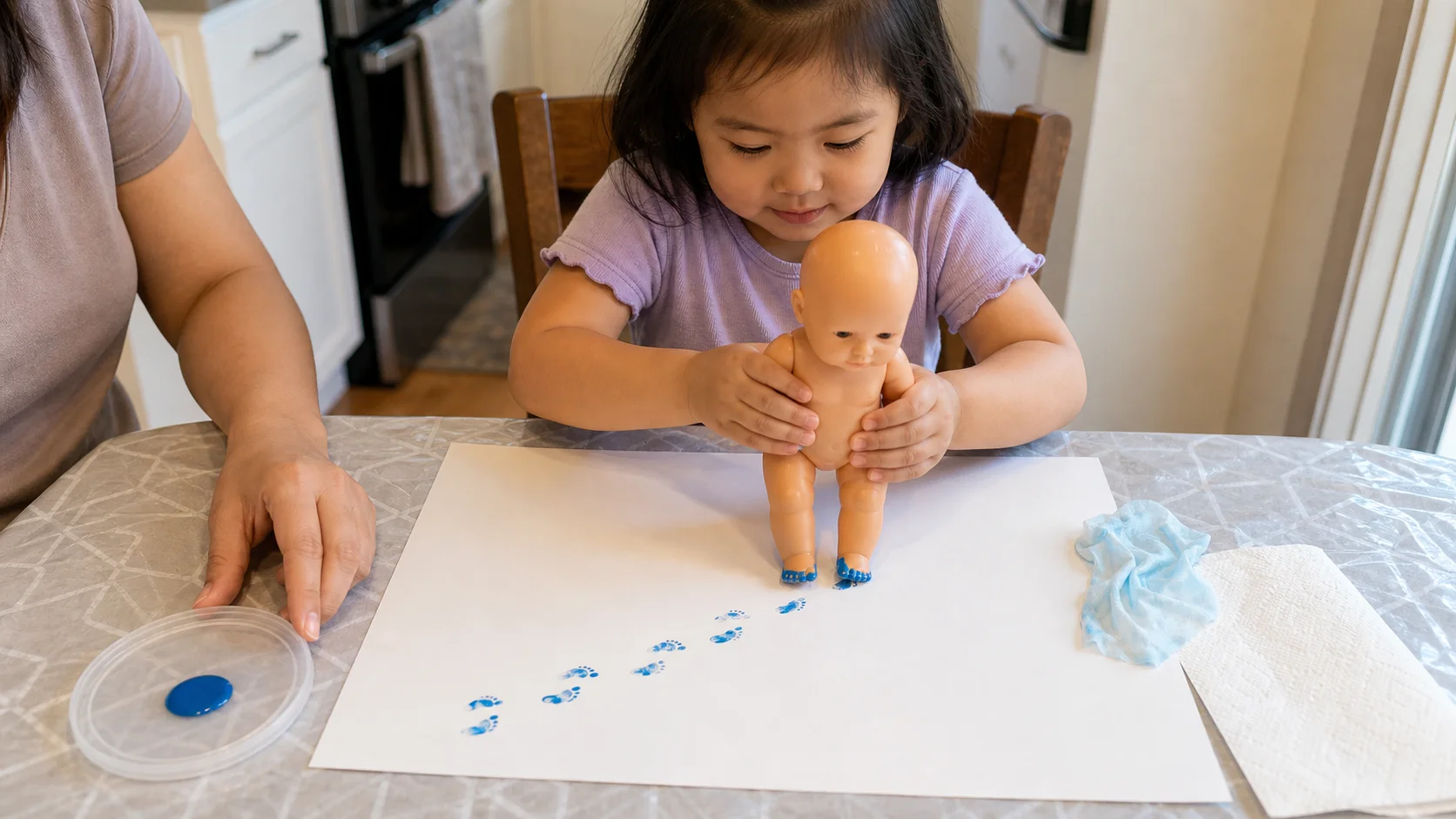
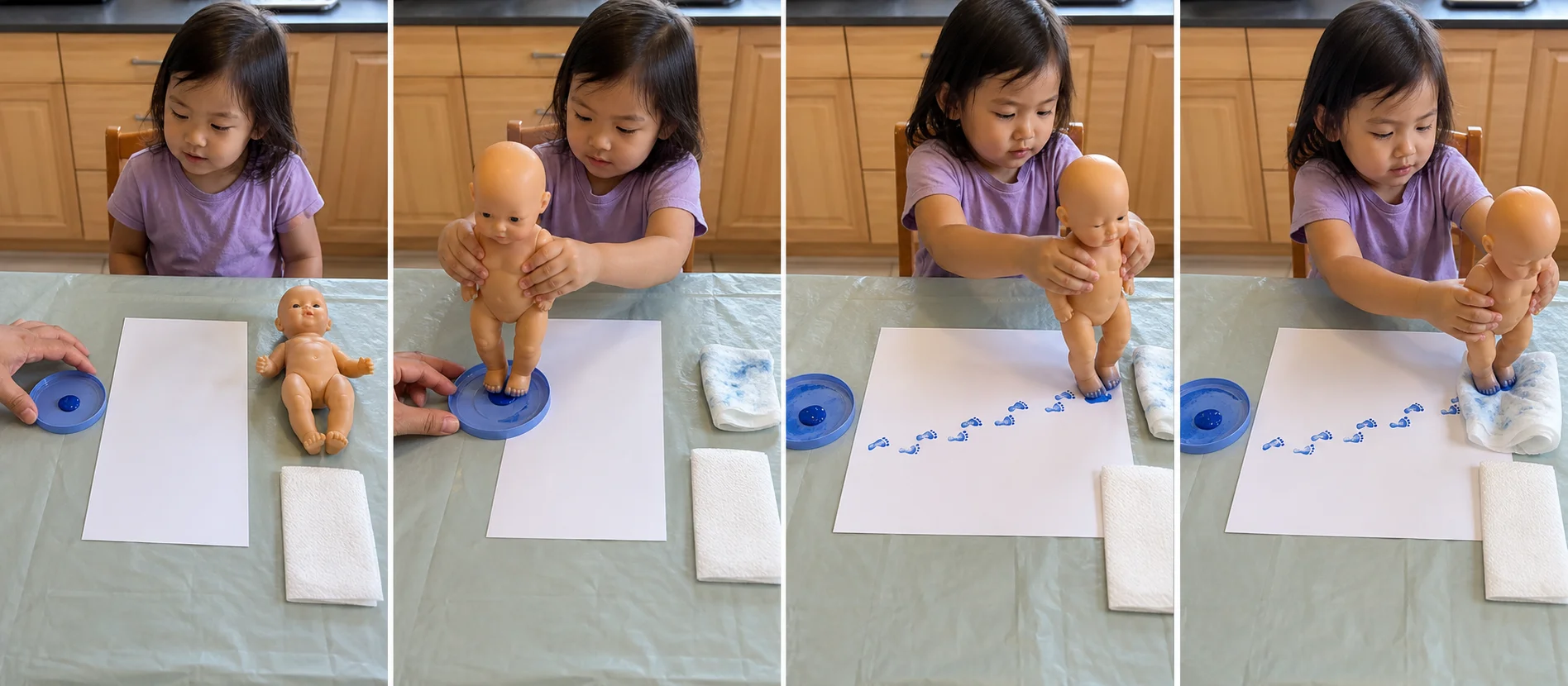
Let a doll do the messy part. Your child dips its feet in washable paint, walks it across paper, and wipes it clean, creating a tiny footprint trail while exploring paint through a familiar toy.


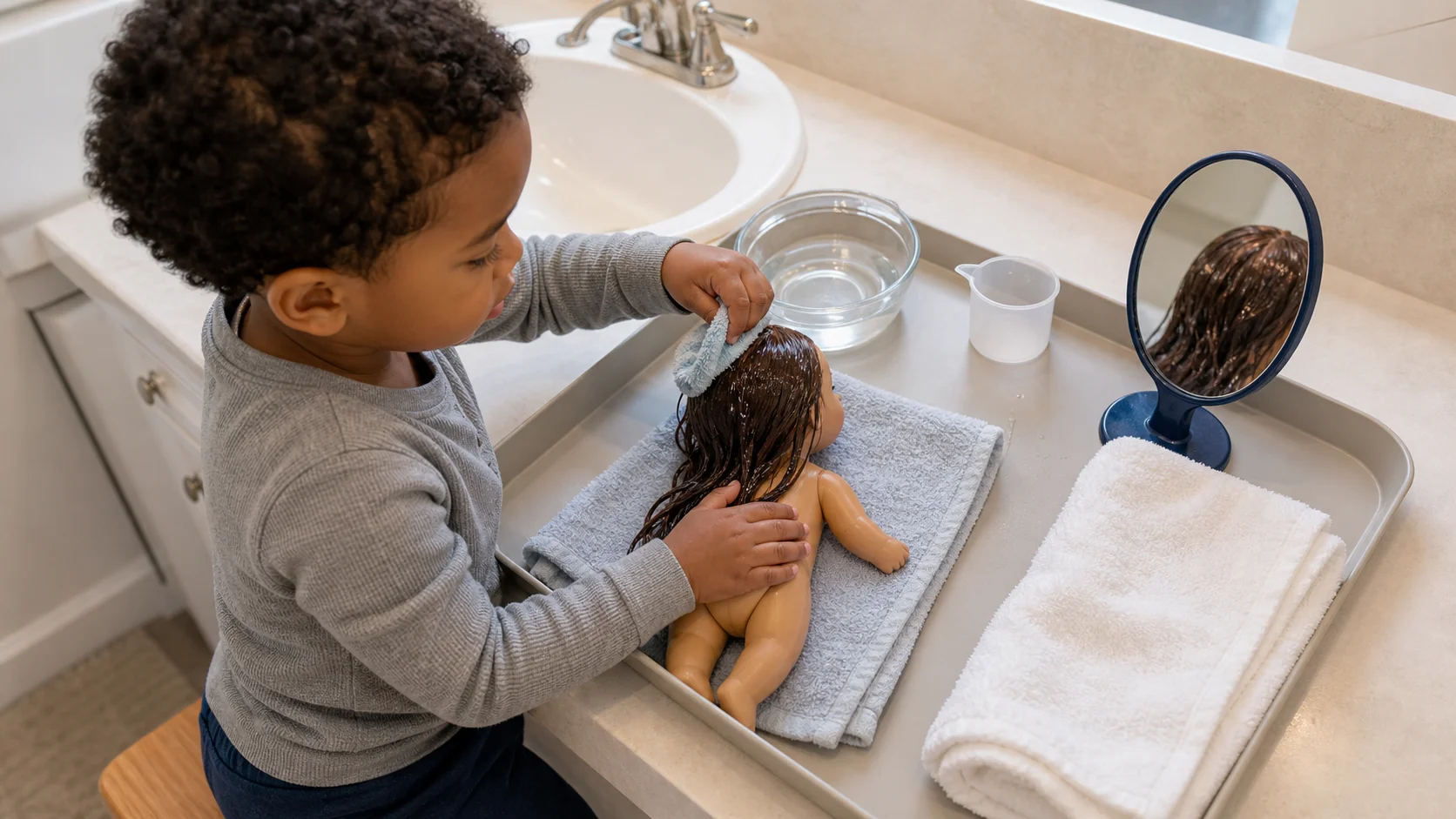
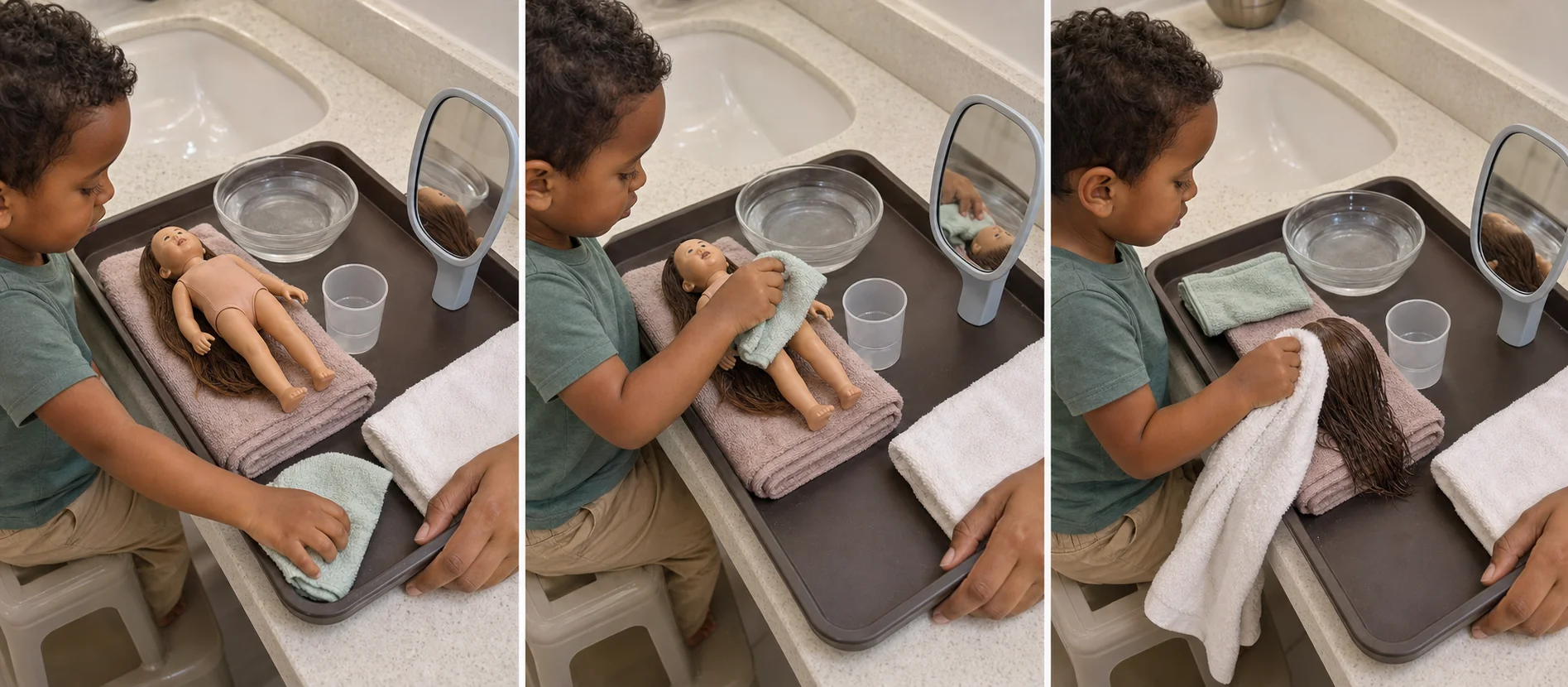
Make hair-wash practice feel more predictable by letting the doll go first. Your child chooses a cup or washcloth, gives the doll's hair one small rinse, checks it in the mirror, and pats it dry to practice a clear care routine with more control.


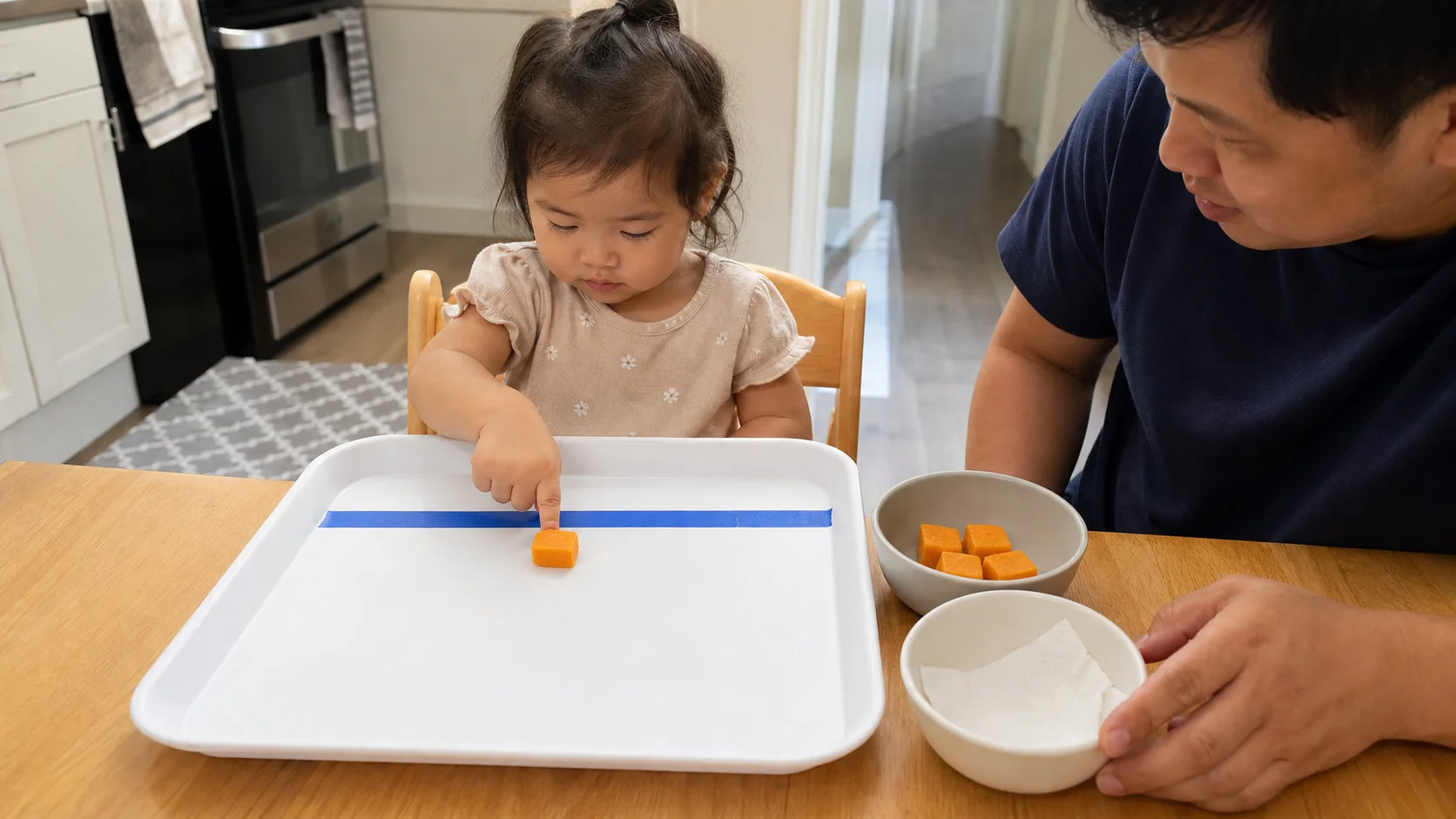
Turn familiar food pieces into a tabletop hockey challenge. Your child pushes, rolls, or flicks one piece toward a tape goal, building finger control and aim with every shot.


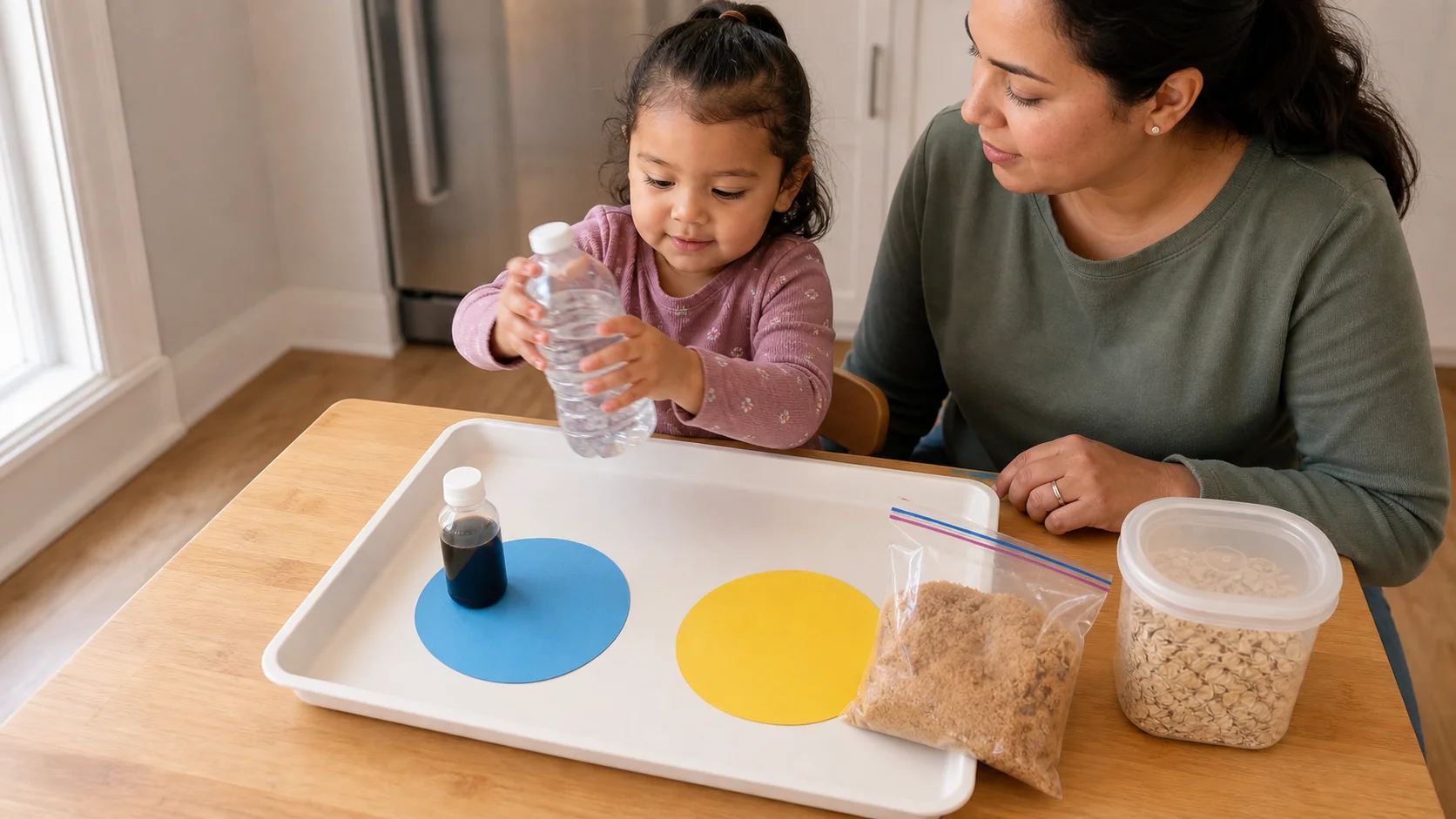
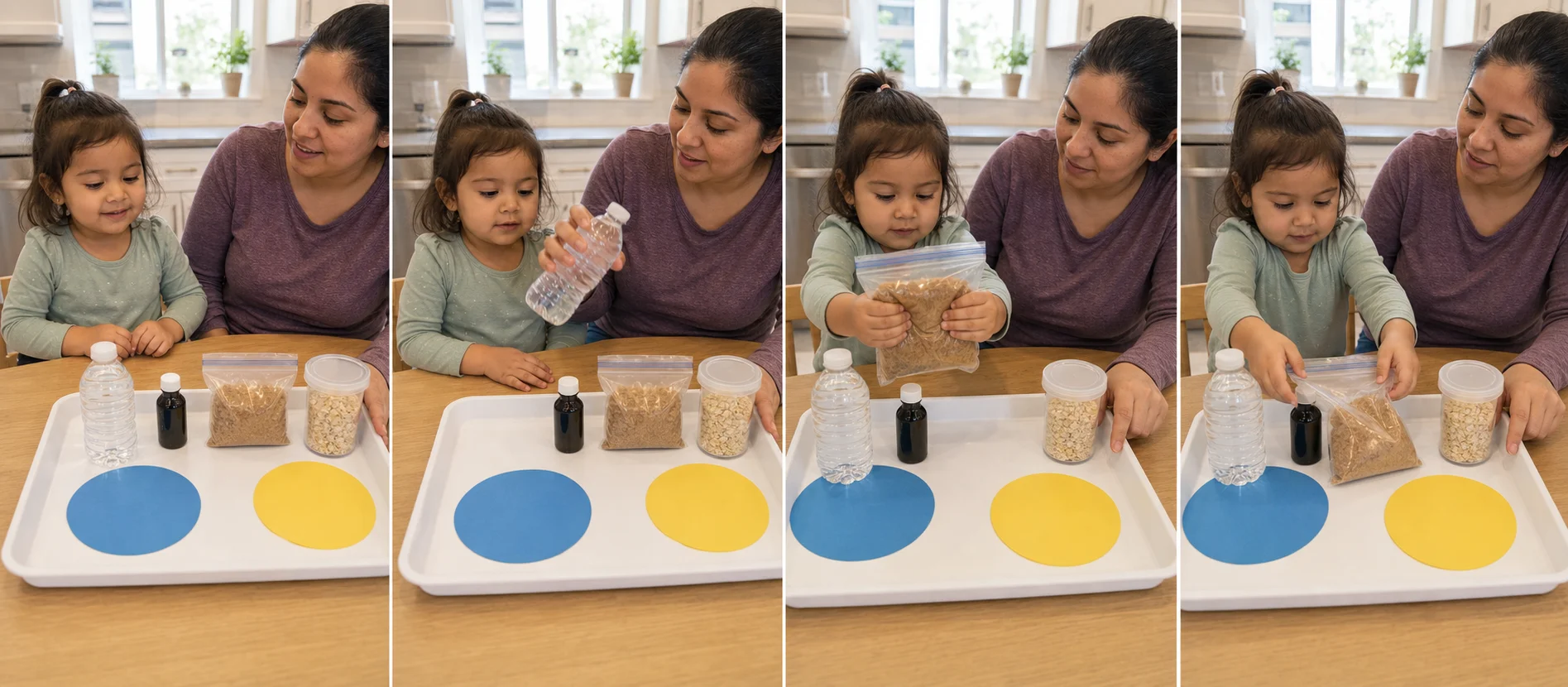
Can your child tell which sealed kitchen ingredients shake and which ones squish? Testing and sorting each container turns everyday pantry items into a low-mess sensory game that builds observation and early sorting skills.


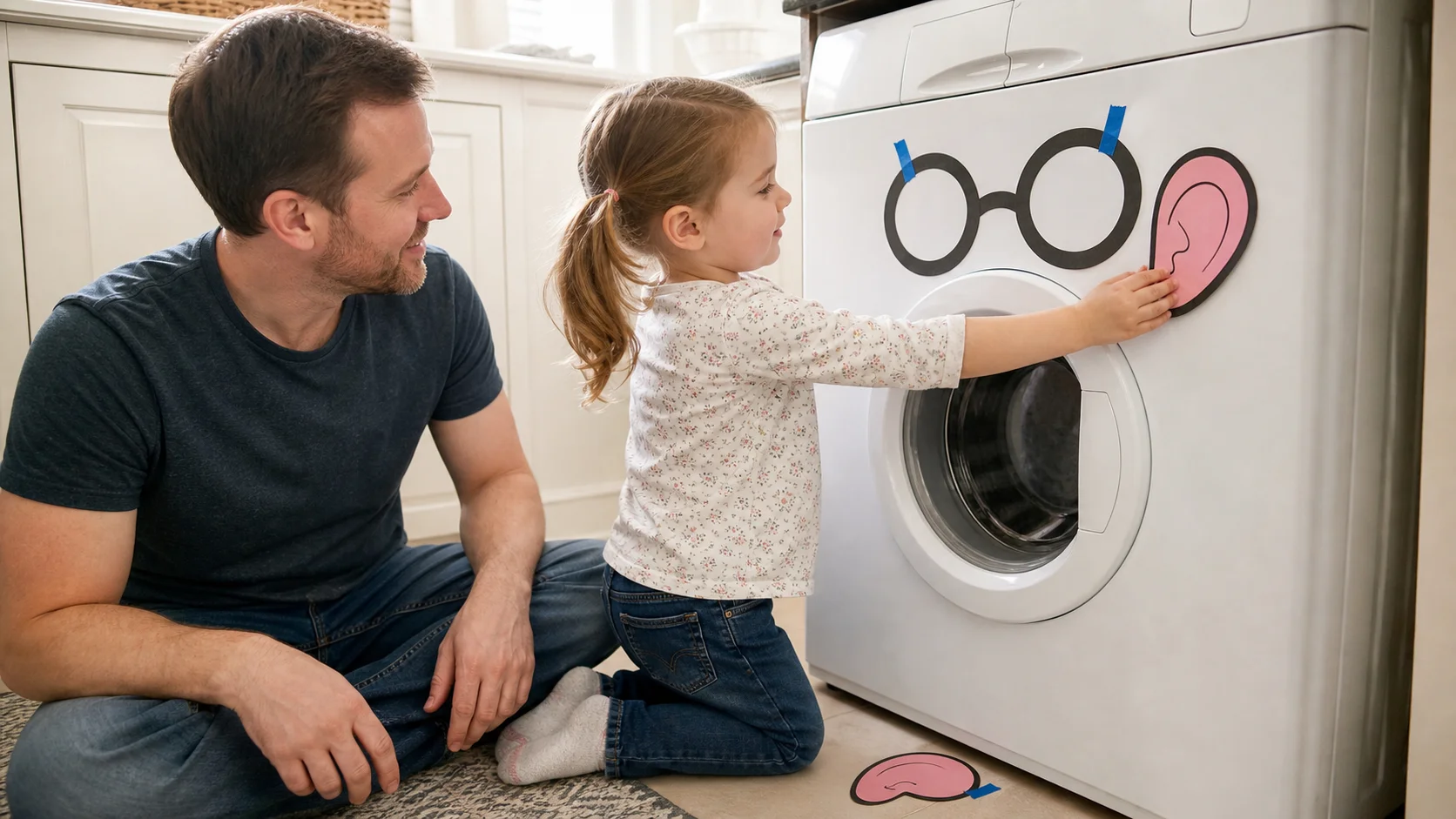
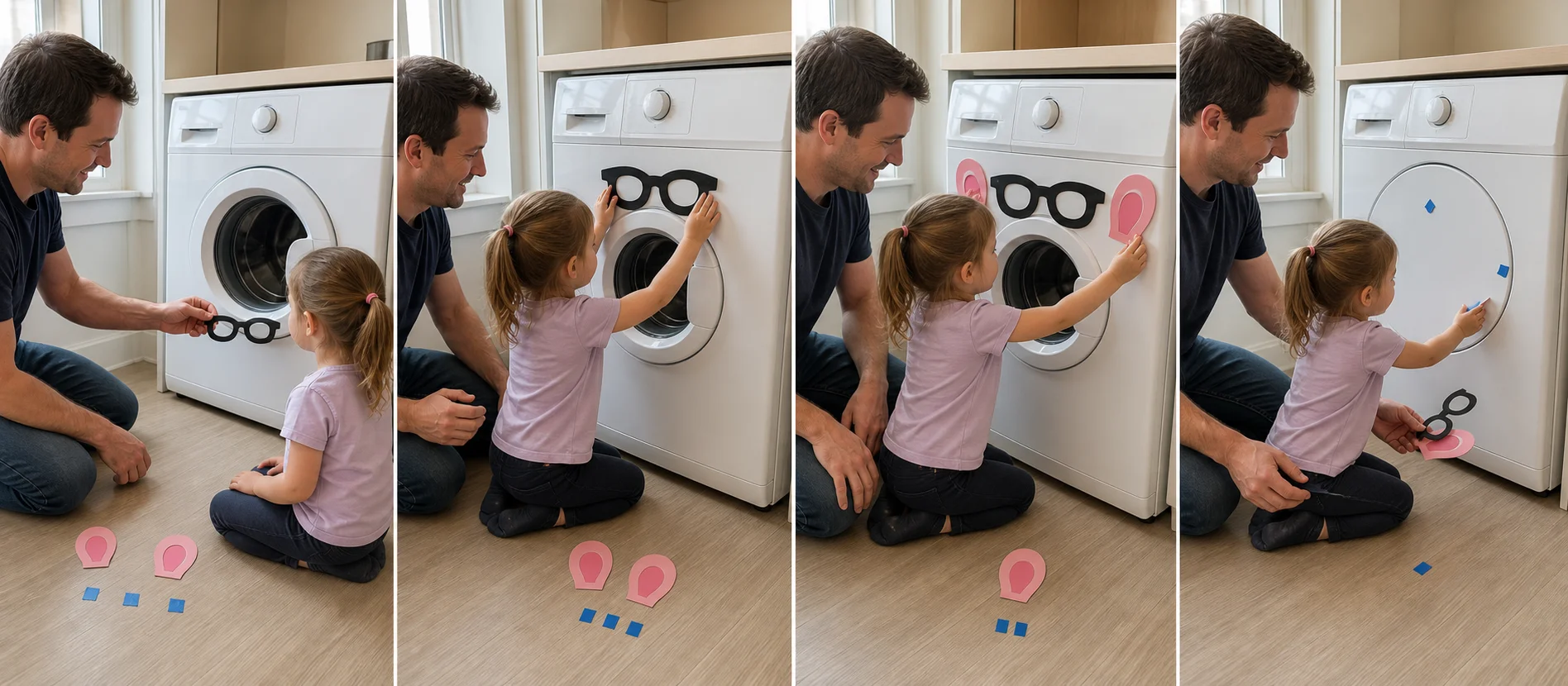
Turn an intimidating appliance into a silly face while it stays safely off. Your child sticks paper glasses and ears onto a washing machine or unplugged hair dryer, then peels them off for a quiet, low-pressure way to make the machine feel more familiar.


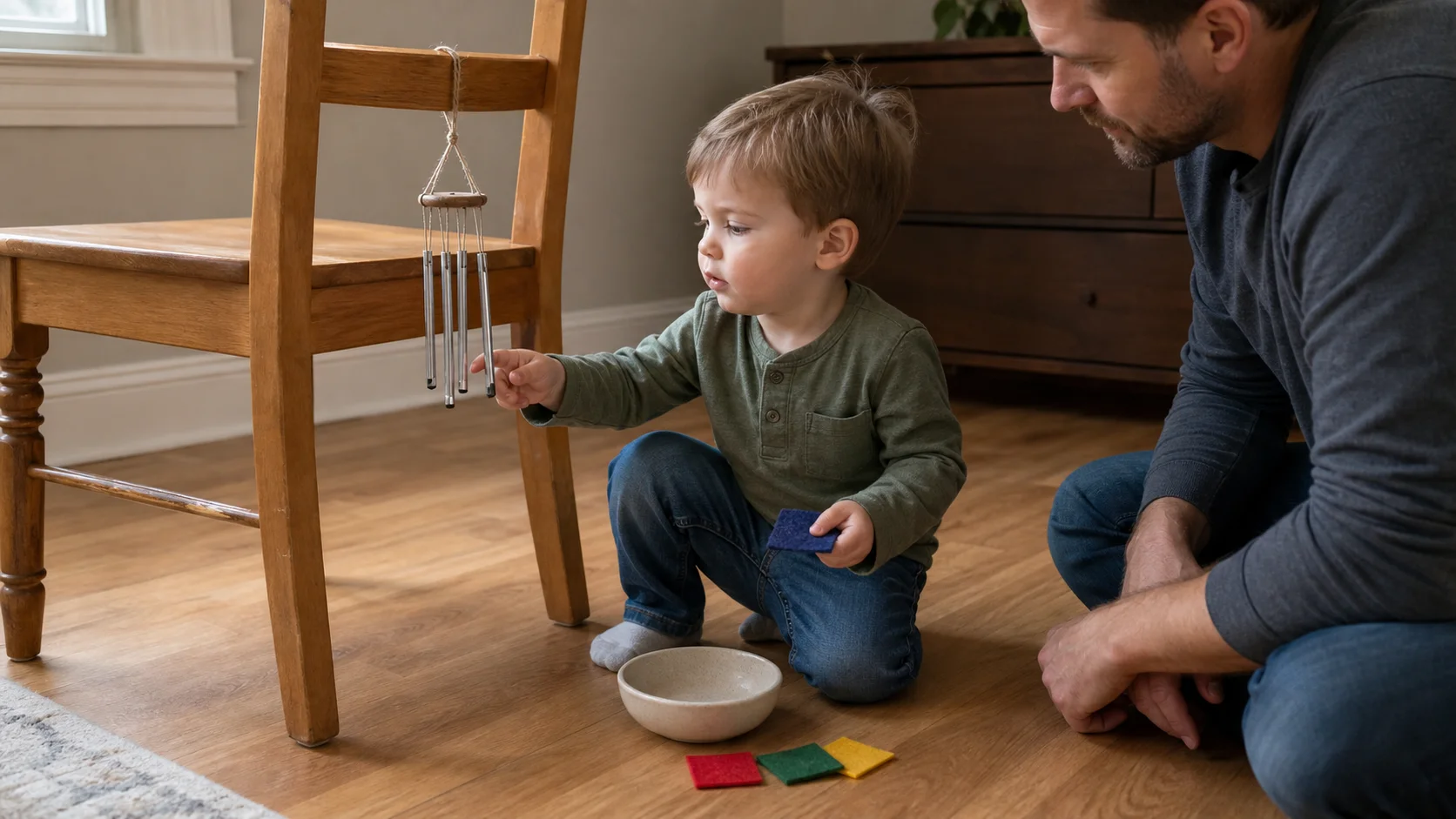
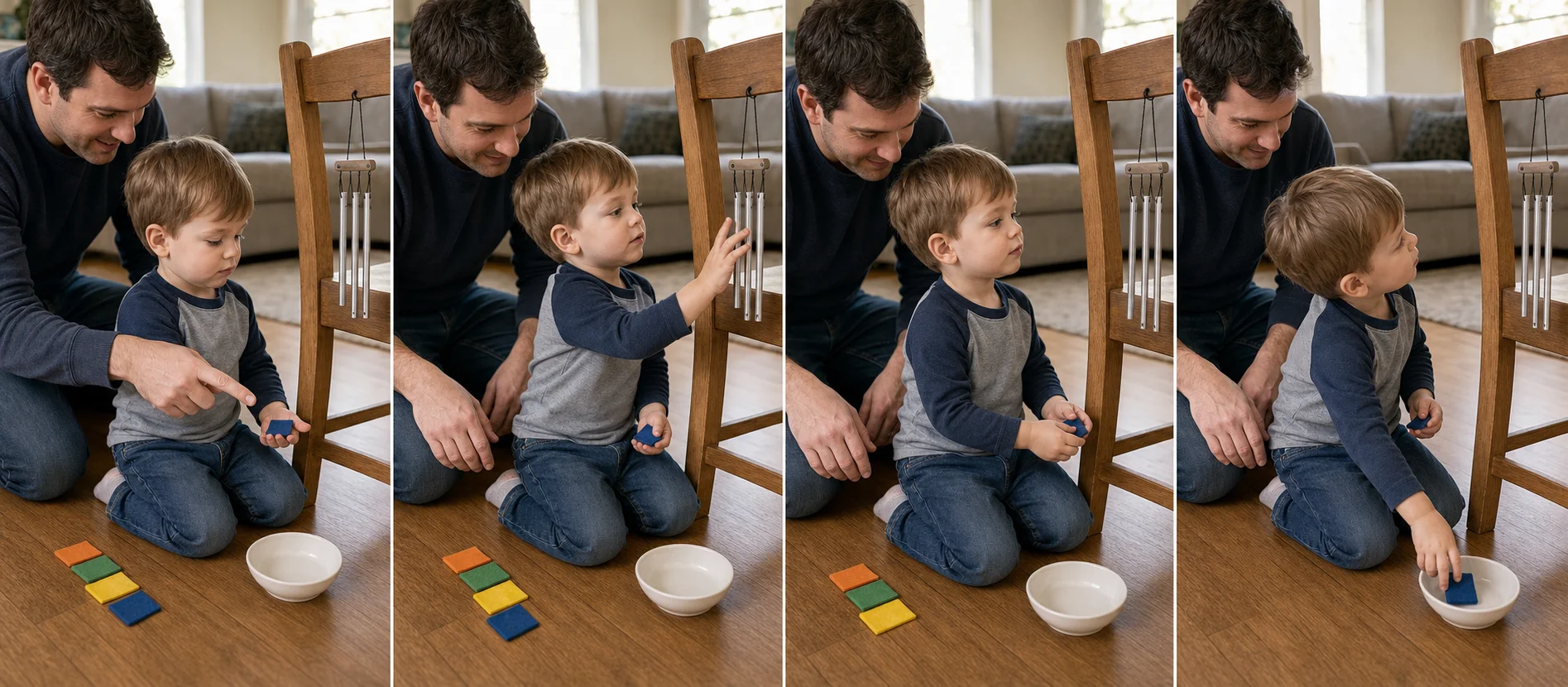
Can your child wait until a chime goes completely quiet? They brush it once, listen as the ringing fades, then drop a token when silence returns for focused listening and sound-response practice.


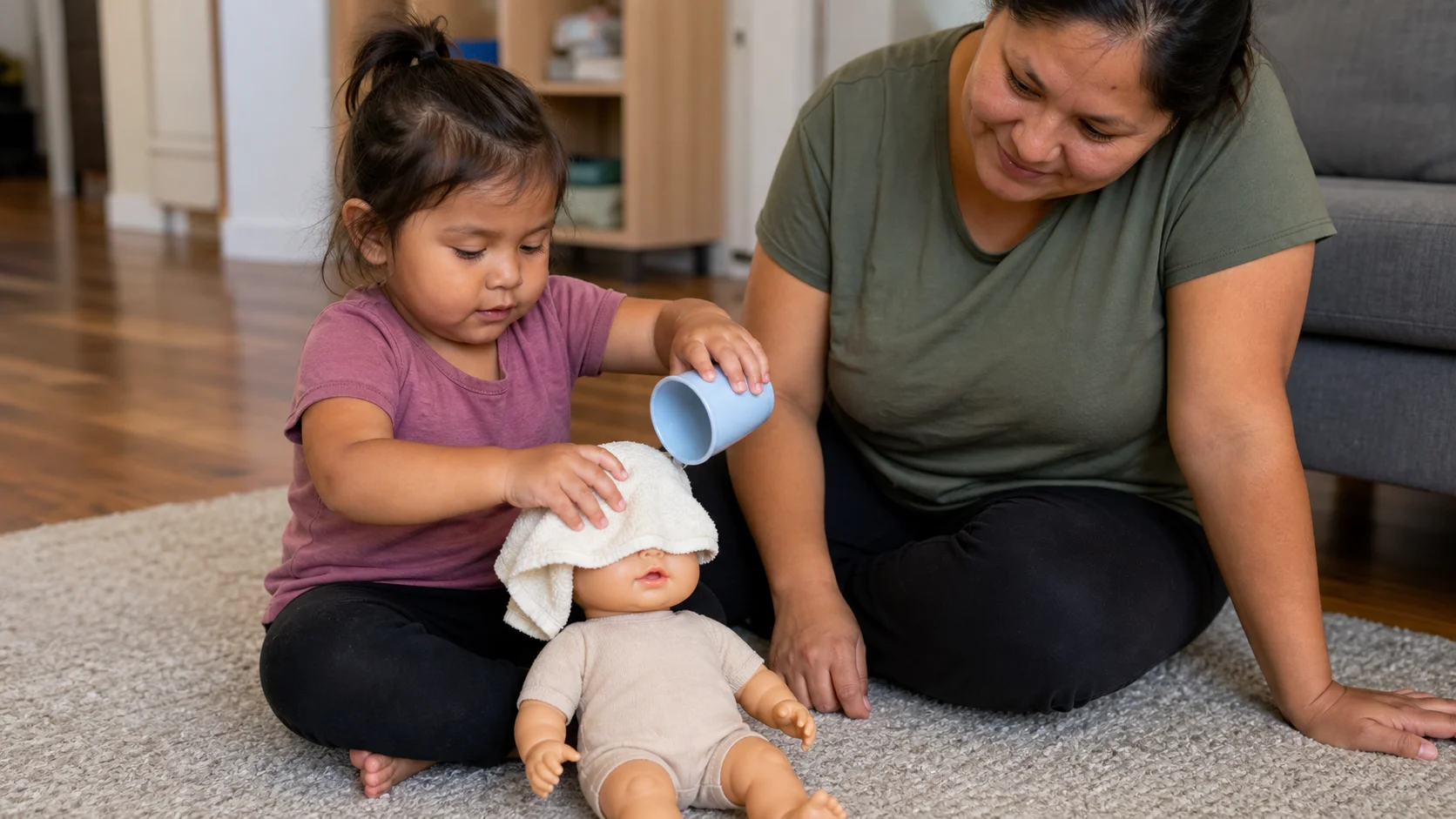
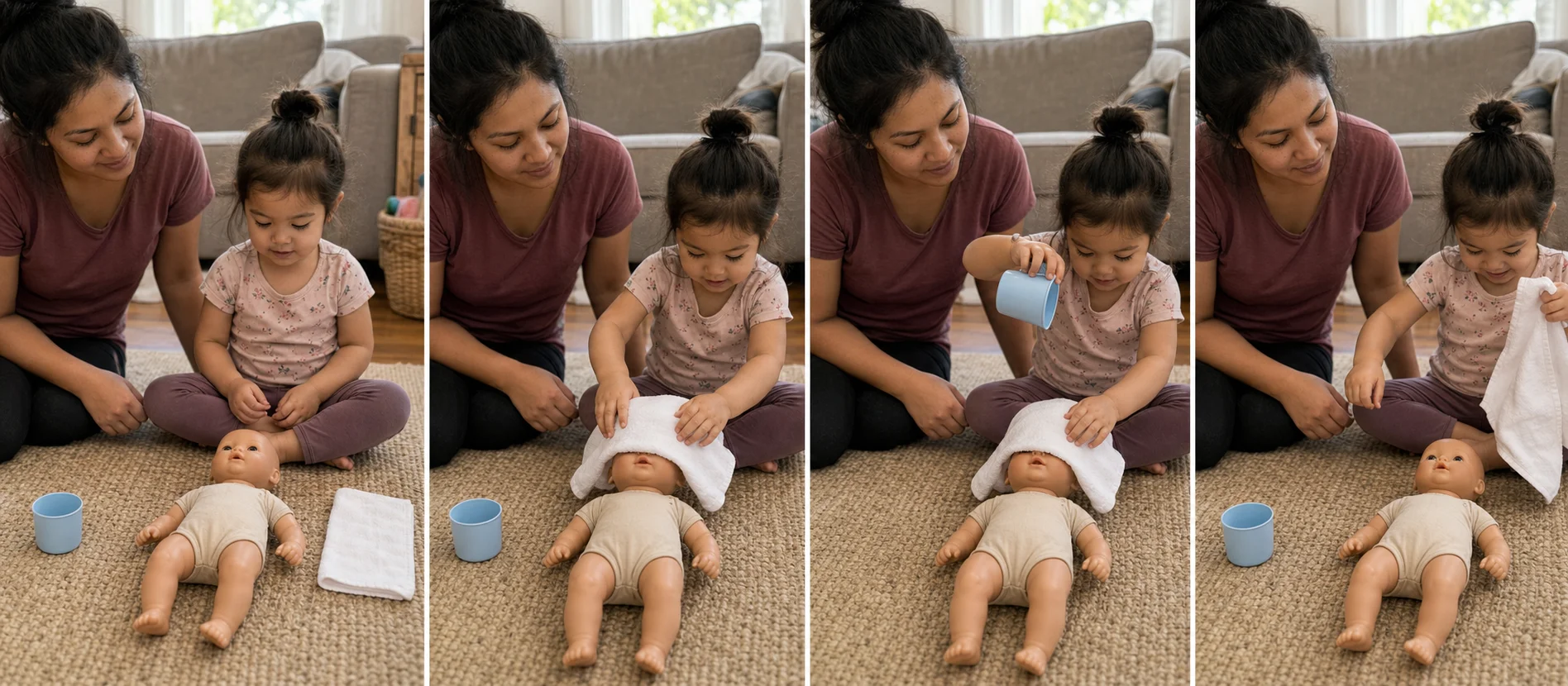
Make hair-rinse practice feel more predictable with a doll, dry washcloth, and empty cup. Your child covers the doll's face, pretends to rinse its hair, then lifts the cloth to finish the familiar three-step routine.


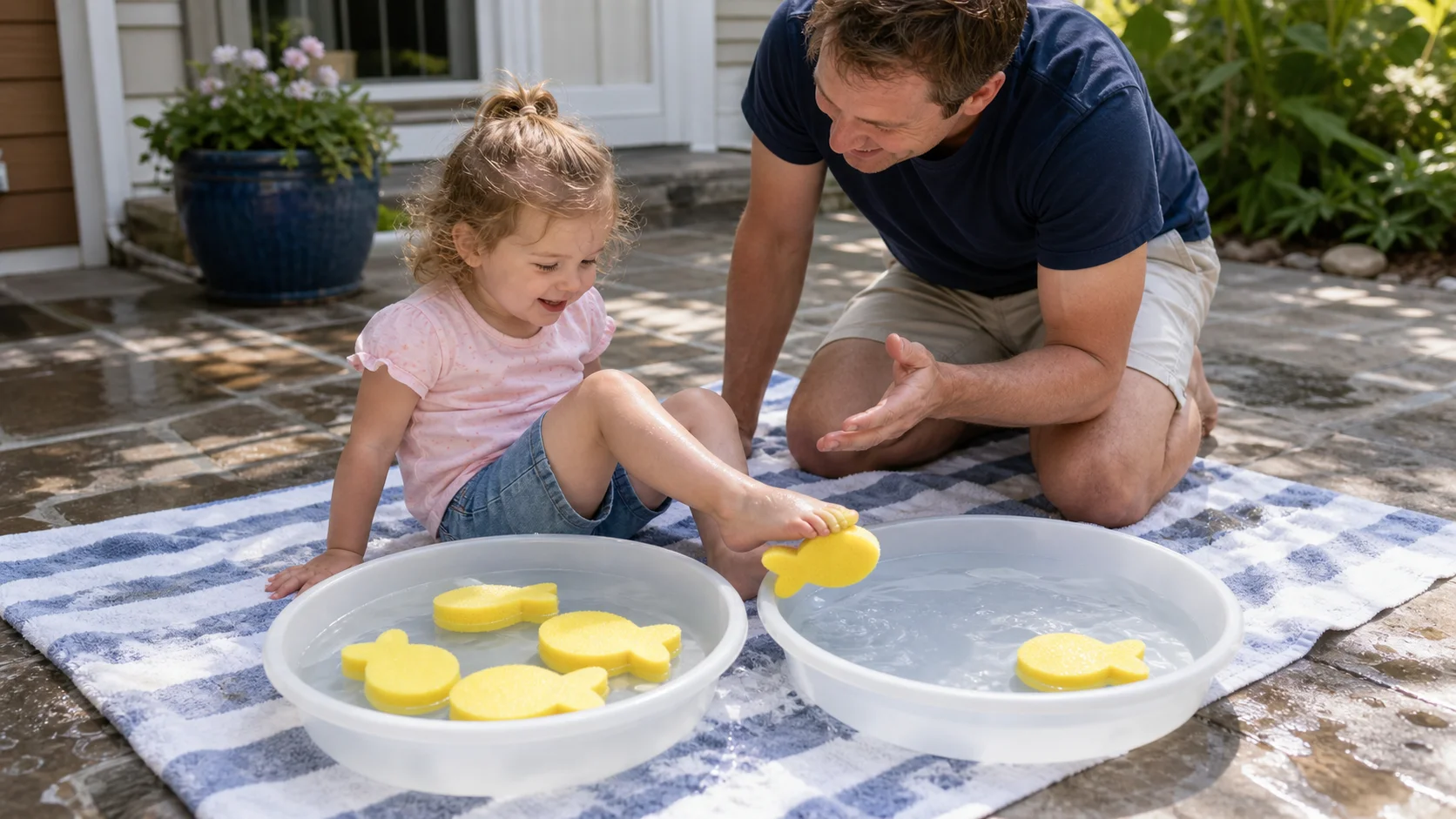
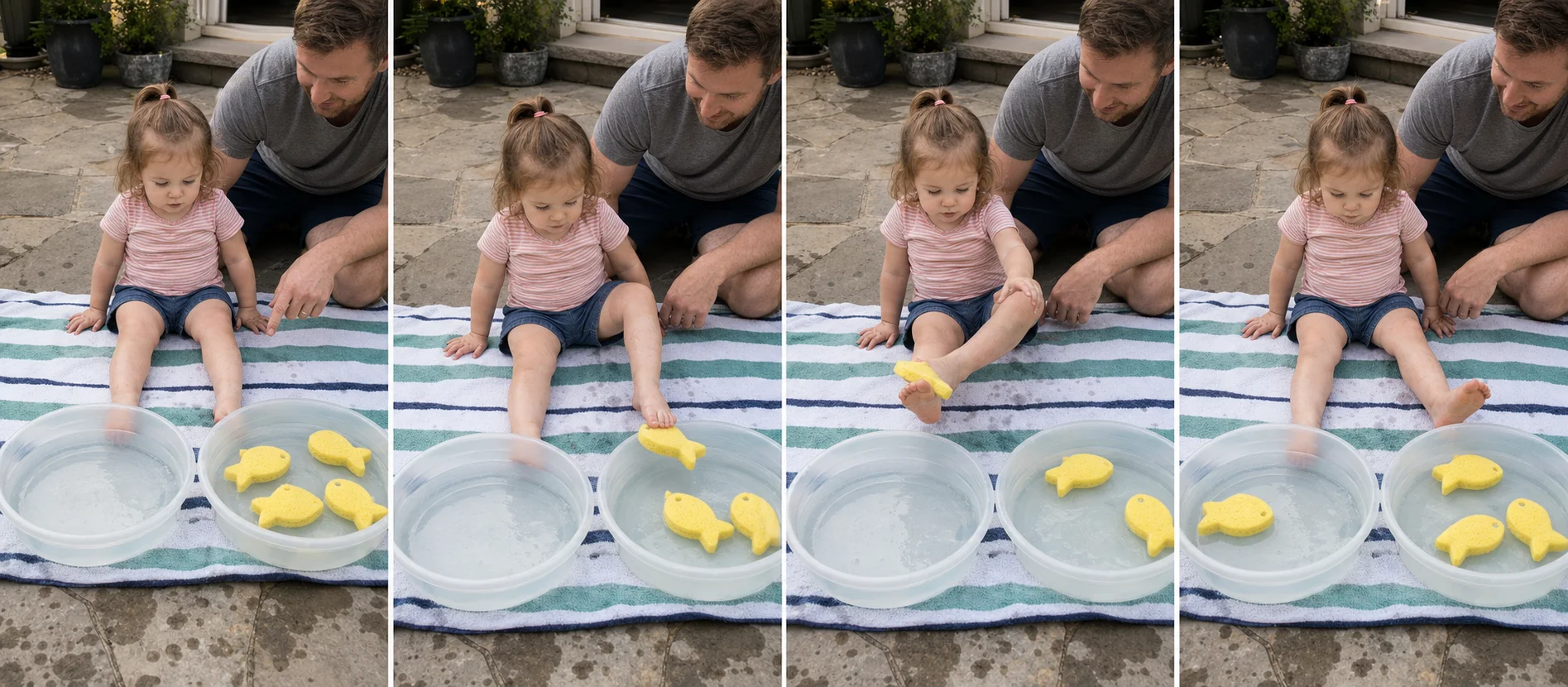
Can your child catch a floating toy with one foot and move it to the next bowl? This splashy fishing challenge turns two shallow water bins into gross-motor coordination and sensory play.


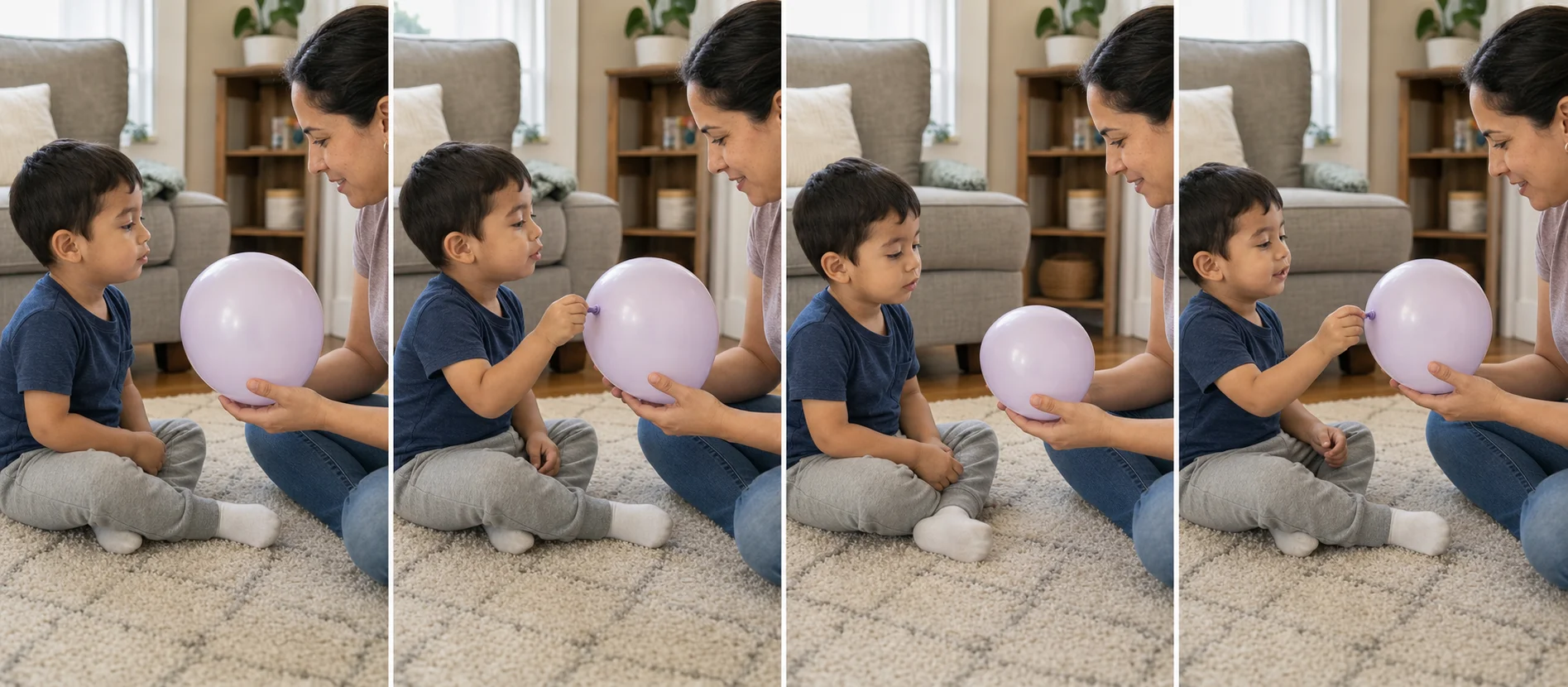
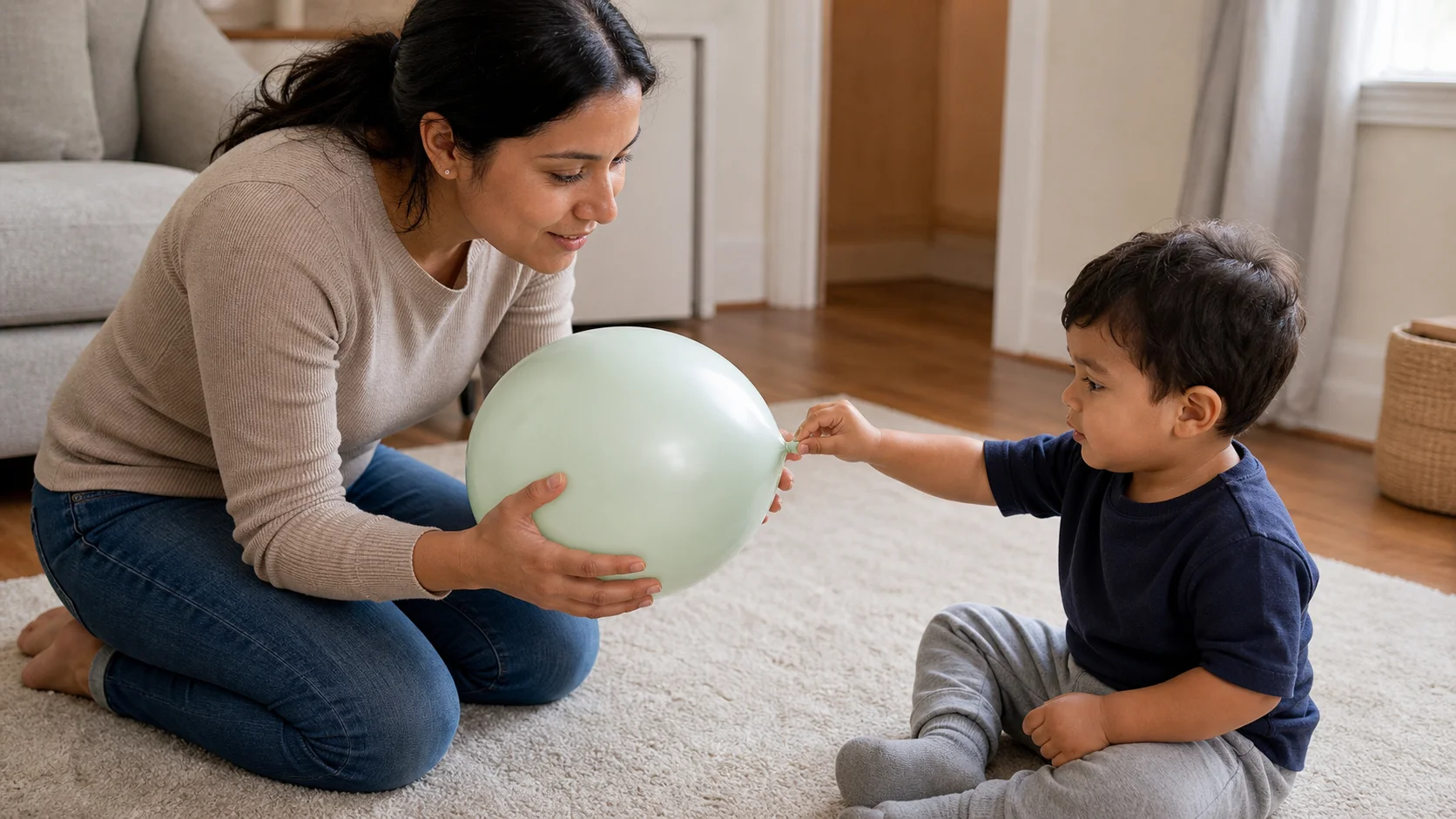
Squeaky Balloon Pinch is a quiet balloon activity for toddlers that helps children connect actions with results through a clear, repeatable play loop.


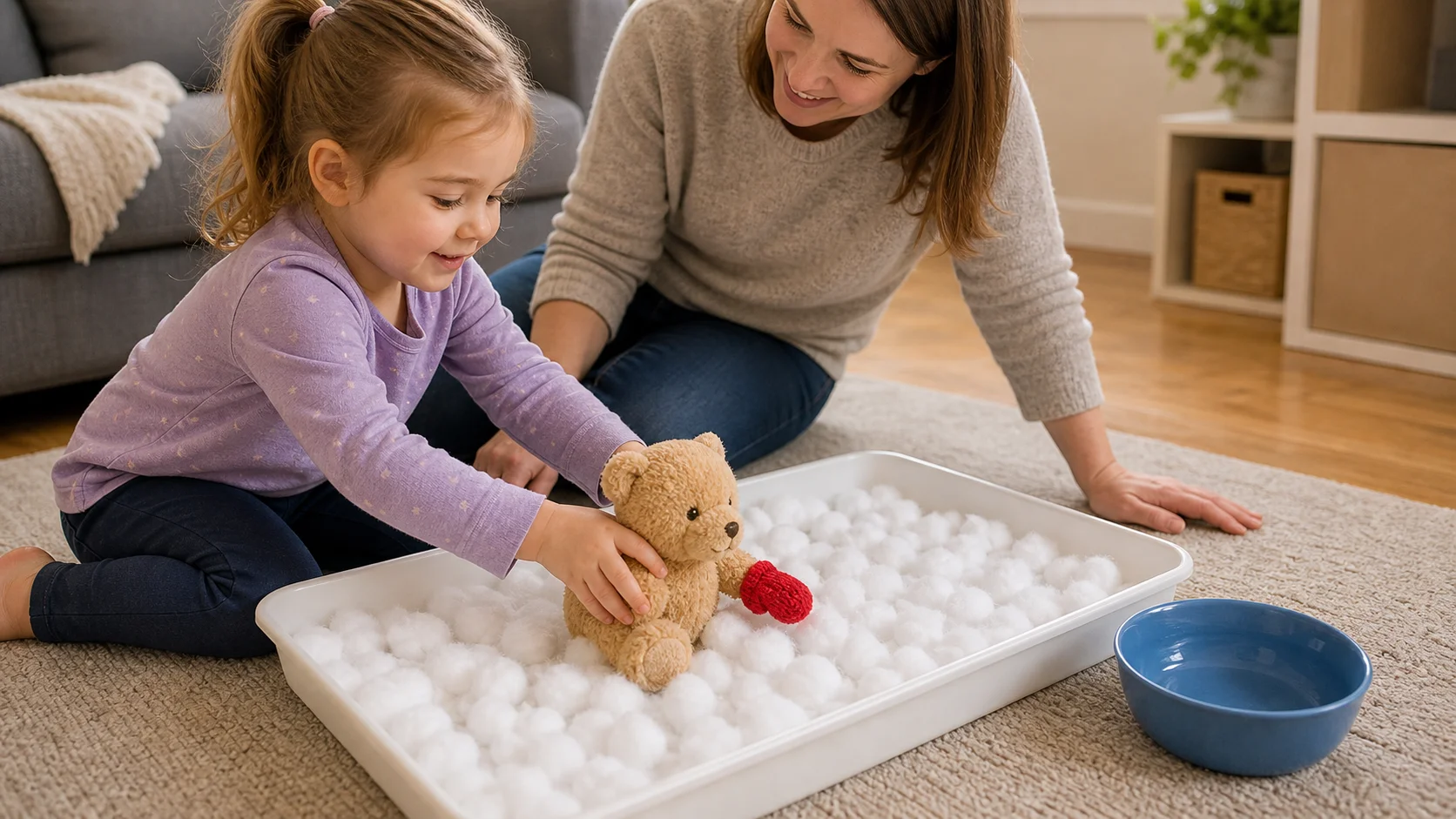
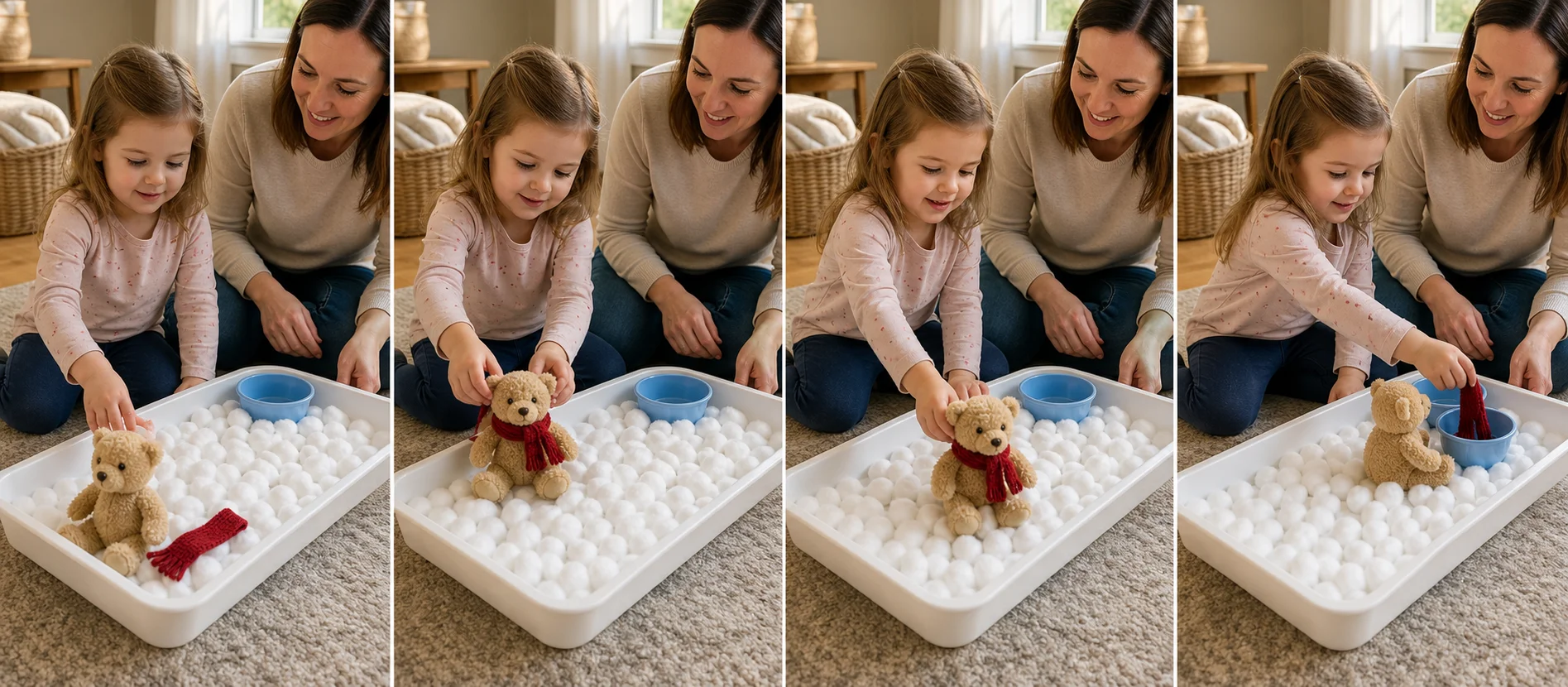
Tiny Mitten Snow Walk is a winter dressing activity for preschoolers that helps children practice one dressing step through a clear, repeatable play loop.


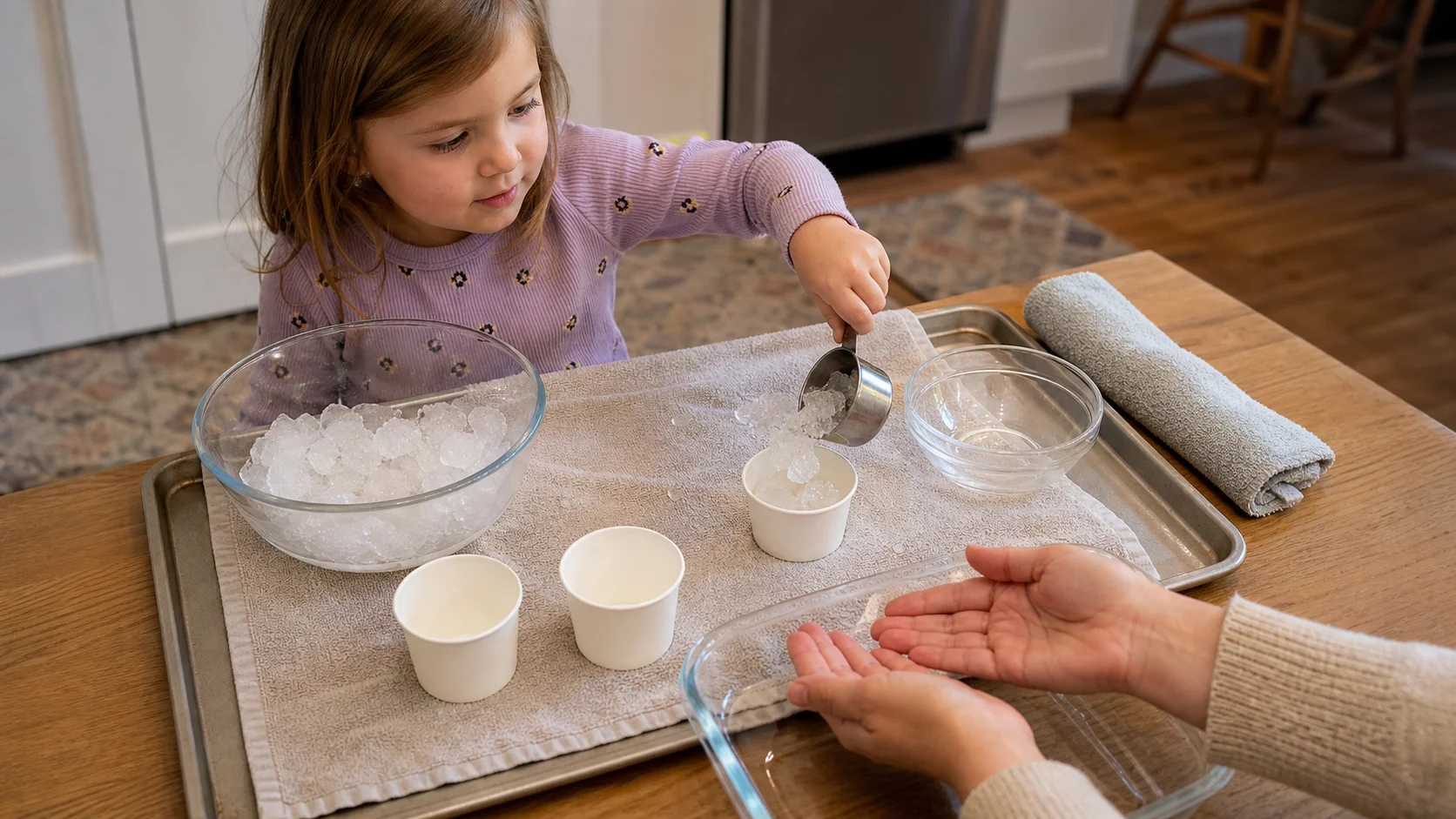
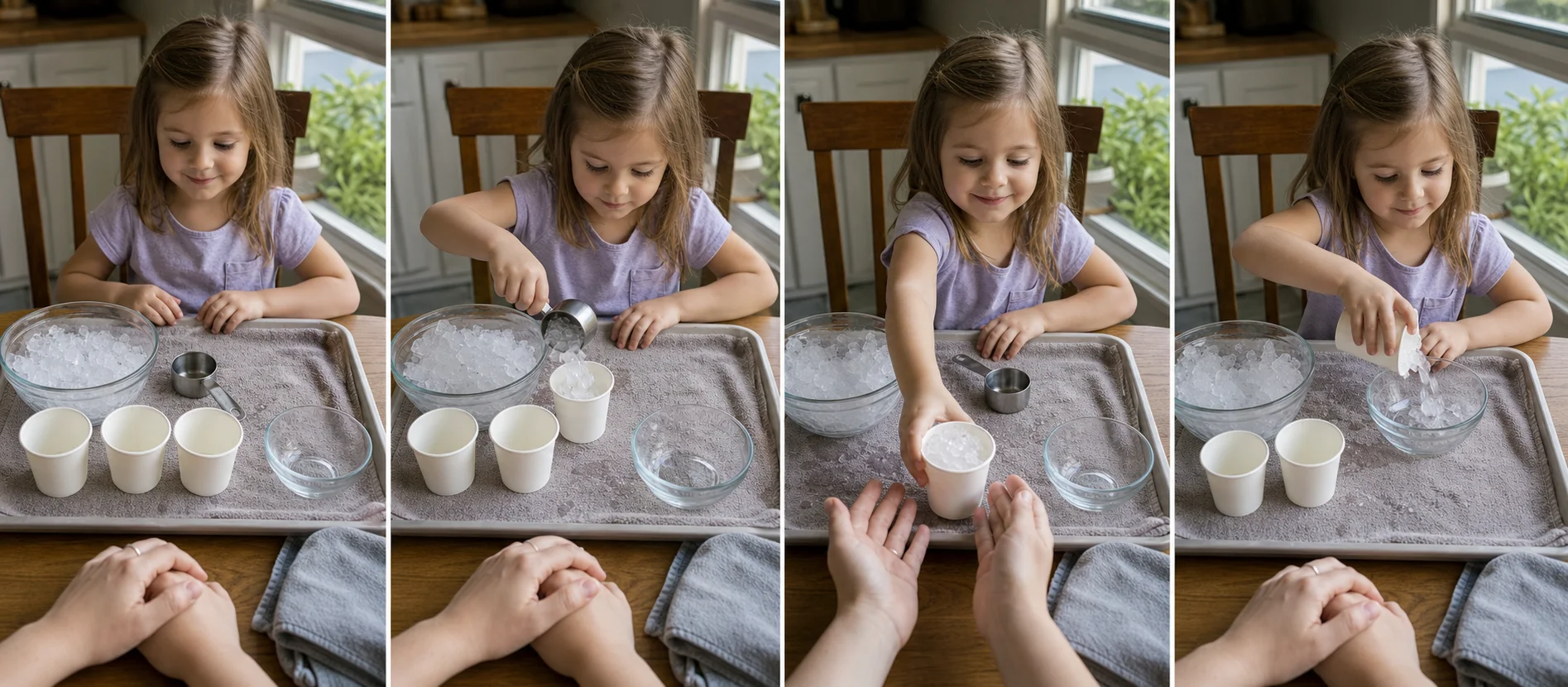
Open a tiny ice-cream shop with crushed ice, paper cups, and a scoop. Your child fills a cup, serves the order, then empties it for the next customer.


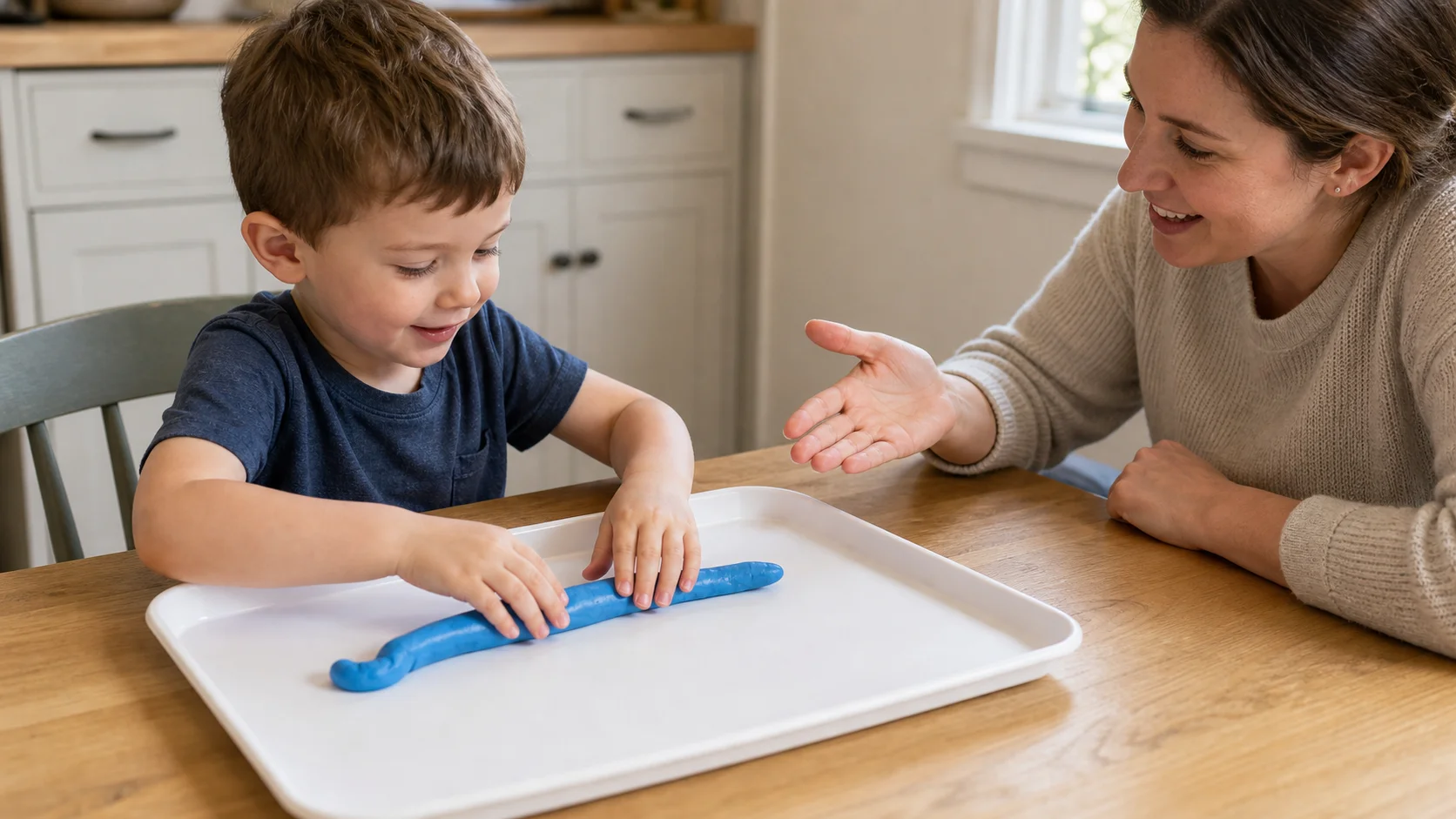
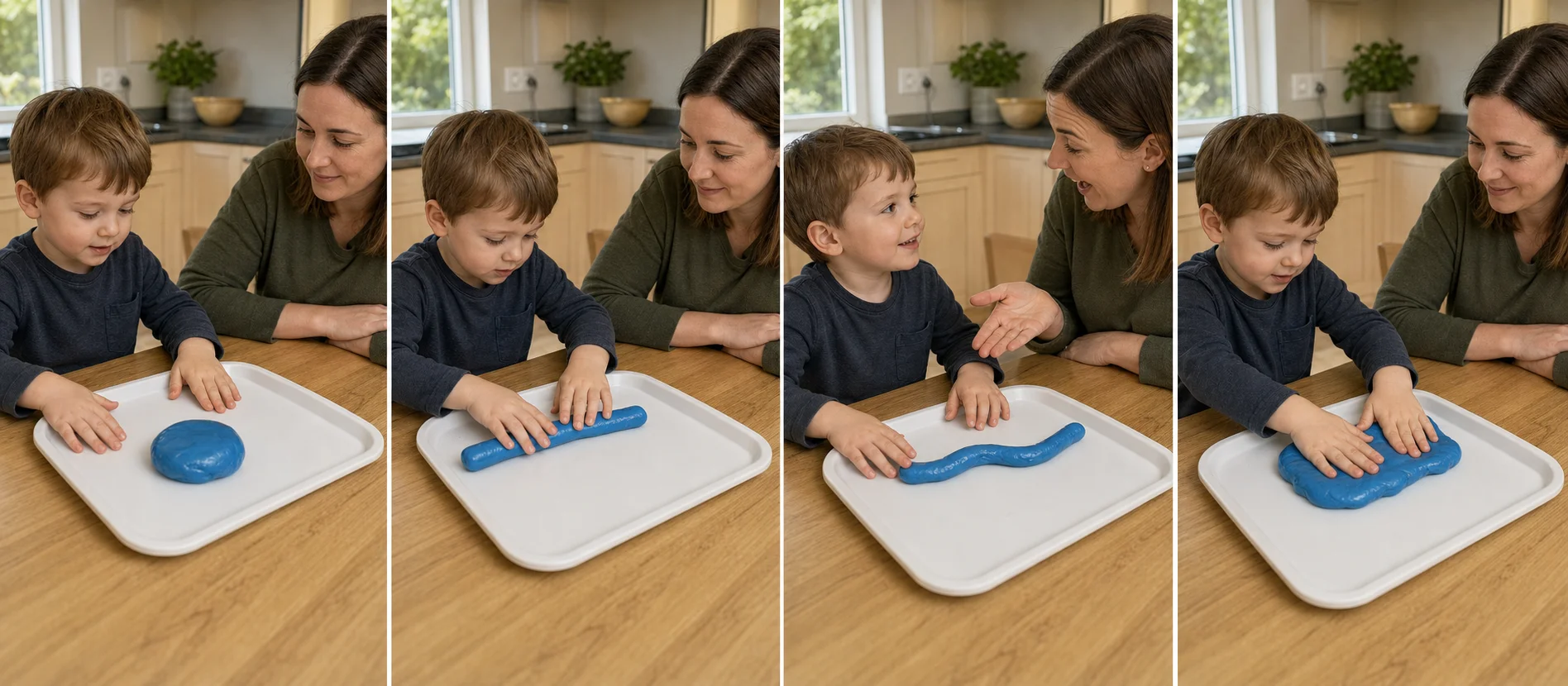
Give your child a guessing game they can squash and remake. Using one lump of soft putty or playdough, take turns shaping simple pretend objects for each other to guess while building hand strength through every squeeze, roll, and pinch.